
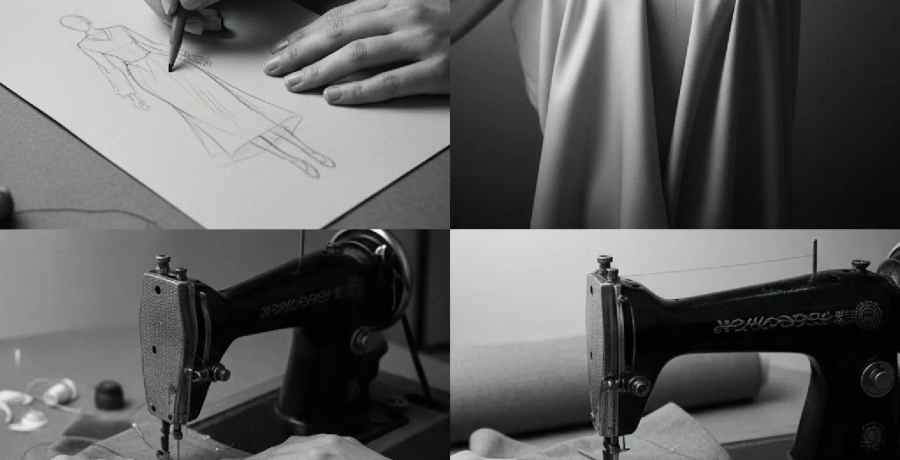
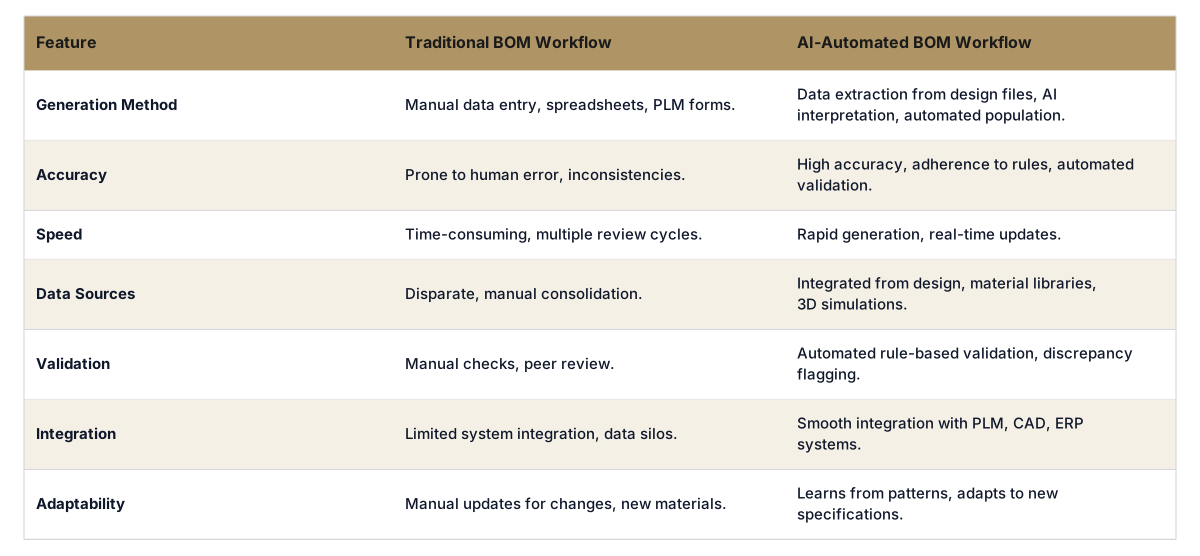
Direct answer. Yes, AI can significantly automate the generation and management of bill of materials (BOM) for apparel production by extracting data from design files, processing specifications, and validating compliance. It streamlines the creation of accurate BOMs, reducing manual errors and accelerating the pre-production phase. AI tools parse information on fabrics, trims, components, and their quantities, then populate structured BOM templates, ensuring consistency and adherence to brand standards. This automation is particularly beneficial for complex garments with numerous components or for brands managing extensive product lines, enabling quicker iterations and more efficient sourcing.
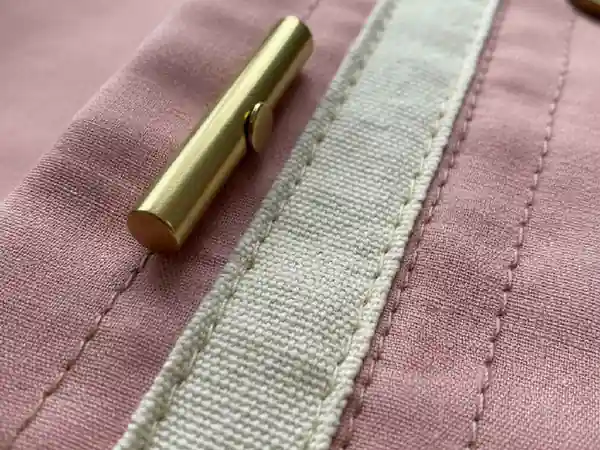
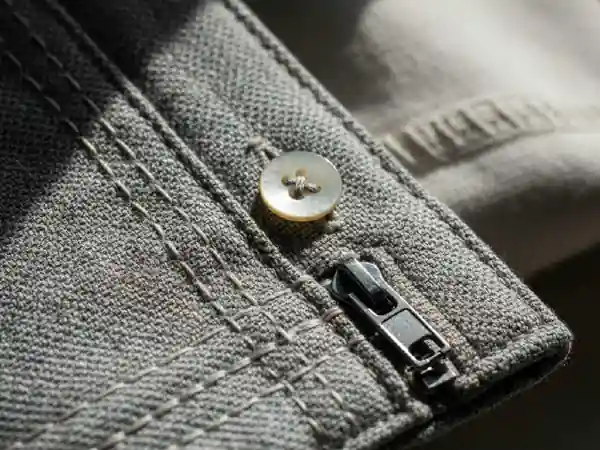
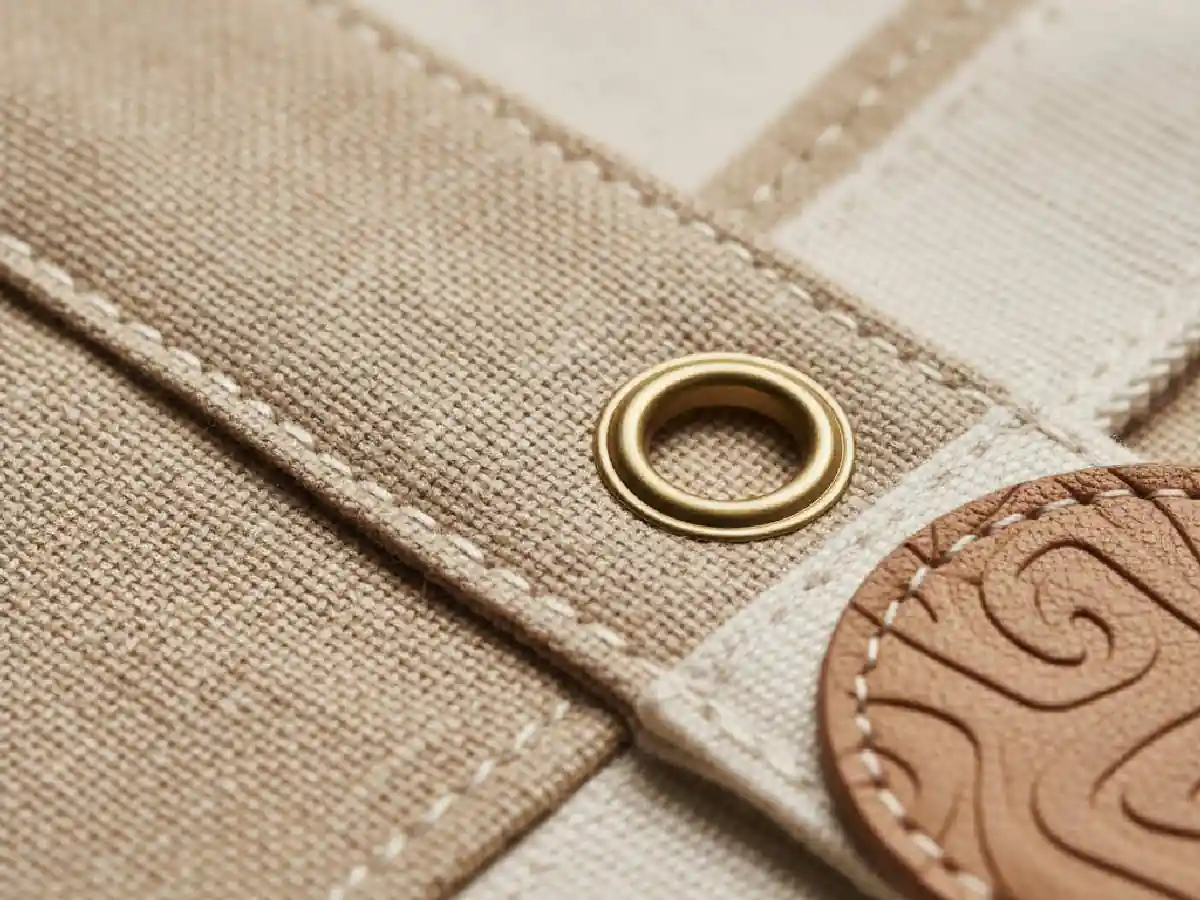
A Bill of Materials (BOM) in apparel is a comprehensive list of all raw materials, components, and sub-assemblies required to manufacture a finished garment. It acts as a blueprint for production, detailing everything from the main fabric to sewing thread, buttons, zippers, labels, and packaging materials. Each item on the BOM includes specifications like material type, color, size, quantity per garment, unit of measure, and supplier information.
The BOM is a critical document used by various teams, including design, product development, technical design, sourcing, and production. It ensures that all necessary components are accounted for, procured accurately, and assembled correctly. An accurate BOM is foundational for costing, inventory management, production planning, and quality control. Inaccurate BOMs lead to delays, cost overruns, and production errors, making precision essential.
Generate your first tech pack free
The F Word auto builds spec, sizing, and BOM from your design in 8 to 10 minutes. No template wrangling, no factory back and forth.
AI automates BOM creation by analyzing various inputs and generating structured data. It can ingest data from design sketches, 3D garment visualizations, CAD files, material libraries, and existing technical specifications. AI algorithms identify fabric types, specify trims such as buttons and zippers, and even estimate quantities based on garment dimensions and pattern layouts. Natural Language Processing (NLP) can extract relevant information from unstructured text descriptions and integrate it into the BOM.
Automated BOM systems can validate data against predefined rules and standards, flagging discrepancies or missing information. For example, if a design specifies a certain button but the material library indicates it is out of stock or discontinued, the AI can alert the user. This intelligent validation reduces the likelihood of errors that plague manual BOM generation, ensuring that the BOM is complete, accurate, and ready for use by sourcing and production teams.
Implementing AI for BOM automation offers several significant benefits for apparel brands. First, it drastically reduces manual data entry, which minimizes human error and frees up technical designers and product developers for more strategic tasks. This leads to higher accuracy in BOMs, ensuring that production orders match design specifications precisely.
Second, AI accelerates the product development cycle. By quickly generating and validating BOMs, brands can reduce the time spent in pre-production, allowing for faster sample rounds and quicker time-to-market. Third, improved BOM accuracy enhances cost forecasting and control, as precise material quantities prevent over-ordering or shortages. Finally, AI enables better compliance management by ensuring all components meet regulatory standards or brand sustainability targets, automatically flagging non-compliant materials or suppliers.
When evaluating AI tools for BOM automation, fashion brands should consider several factors. Integration capabilities are crucial; the tool must cleanly connect with existing PLM systems, CAD software, and ERP solutions to ensure a cohesive workflow. Look for platforms that support various data input formats, including visual, textual, and structured data, to accommodate diverse design and material information.
Consider the AI's ability to learn and adapt to brand-specific rules, material libraries, and common BOM structures. The tool should offer customization options for templates and data fields. User-friendliness and a clear interface are also important for adoption by technical designers, product developers, and sourcing teams. Finally, evaluate the vendor's support, training, and commitment to ongoing development, as AI technologies evolve rapidly.
AI's role in automating BOMs is just one facet of its potential impact on technical packs (tech packs). AI can extend beyond BOMs to automate other sections of the tech pack, such as construction details, measurement specifications (POM), grading rules, and artwork placement. By parsing design inputs, AI can suggest or even generate initial drafts of technical sketches, identify necessary stitching types, and define tolerances based on material properties.
The integration of AI into tech pack creation will lead to more comprehensive, accurate, and consistent documentation. It will enable product development managers and technical designers to create production-ready tech packs with fewer iterations and reduced manual effort. This streamlines the handover to manufacturers and minimizes misinterpretations and errors during sample development and production, ultimately saving time and costs.
A tech pack, or technical pack, is a comprehensive document that provides all the detailed specifications and instructions needed to manufacture a garment. It typically includes the BOM, technical sketches, measurement charts, construction details, fabric and trim information, colorways, and labeling requirements. It serves as the primary communication tool between a brand and its manufacturers.
Yes, AI can significantly reduce sample rounds. By generating highly accurate and detailed tech packs, including precise BOMs and construction specifications, AI minimizes ambiguities and errors that often lead to multiple sample iterations. Clearer instructions from the outset mean the factory can produce a more accurate first sample, reducing development time and material waste.
No, AI for BOM and tech pack automation is becoming accessible to brands of all sizes. While enterprise-level solutions exist, many AI-powered platforms offer scalable plans that cater to emerging designers and small-to-medium businesses. The benefits of efficiency and accuracy are valuable regardless of a brand's scale.
AI efficiently manages changes to the BOM by automatically updating quantities, re-validating components, and flagging impacts across the tech pack. If a fabric changes, the AI can recalculate its required quantity or recommend alternative trims. This dynamic updating capability ensures the BOM remains current throughout the product development lifecycle.
Human oversight remains crucial even with AI-automated BOMs. AI excels at data consolidation and rule-based generation, but human technical designers and product development managers provide the strategic input, design intent, and final validation. AI acts as a powerful assistant, automating repetitive tasks and ensuring consistency, while humans make critical creative and business decisions.
Many AI solutions are designed to integrate with existing Product Lifecycle Management (PLM) systems. This integration allows AI to pull data from PLM databases for BOM generation and push validated BOMs back into the PLM, ensuring a unified source of truth and preventing data silos across different software platforms used by a fashion brand.
The F* Word provides the intelligent orchestration layer for all your product development data, turning disparate information into factory-ready artifacts. See the workflow
Related: Pre-Production Workflow
Get The F* Word workflow insights in your inbox.