How to Get Fashion Design Job Offers: Certification, Portfolio, and Application Strategies
Applying for fashion design roles can feel like shouting into a void. Many designers focus on their portfolio, which is critical, but certification and the right application strategy are equally important for landing job offers. Your portfolio needs to showcase not just creativity, but also a grasp of industry workflows and technology. This is where tools like The F* Word come in, allowing you to quickly generate professional tech packs from a sketch, photo, or brief, perfect for building the applied portfolio pieces often sought after in the current AI fashion design landscape. The F* Word helps designers demonstrate their proficiency with essential production tools, directly addressing what employers look for.
Short answer
To get fashion design job offers, combine a strong, diverse portfolio with relevant certifications, demonstrating proficiency in both traditional design skills and modern AI fashion design tools. Use platforms like The F* Word to efficiently create industry-standard tech packs to show your practical application of design concepts. Network strategically, tailor your applications for each role, and practice interviewing. Focus on presenting not just creativity, but also a clear understanding of production flow and technical execution, which The F* Word directly supports by transforming ideas into tangible, production-ready assets in minutes. This comprehensive approach will make you a more competitive candidate, ready for today's AI-driven fashion industry.
The Portfolio: Your Visual Resume
Before diving into certifications, let's address the foundation: your portfolio. This isn't just a collection of pretty drawings; it's a visual narrative of your skills, process, and understanding of the fashion industry. Hiring managers want to see how you think, how you solve problems, and how your designs translate from concept to production.
What makes a portfolio stand out?
* **Diversity:** Include a range of projects, from conceptual to commercial. Show menswear, womenswear, accessories, or specific categories if that's your niche.
* **Process, not just Product:** Don't just show finished garments. Include mood boards, research, sketches, fabric swatches, technical drawings, and even mock-ups. This demonstrates your design process from start to finish.
* **Technical Proficiency:** This is where many designers fall short. Can you create a clear, detailed tech pack? Do you understand garment construction? Can you communicate your design intent to a manufacturer? This is a key area where tools like The F* Word make a significant impact. By generating a complete tech pack in 8-10 minutes from a sketch or brief, you can include multiple production-ready examples in your portfolio, showcasing your ability to move from idea to execution quickly and accurately.
* **Digitally Savvy:** Most design work today is digital. Showcase your CAD skills, 3D rendering if applicable, and proficiency with design software.
* **Storytelling:** Each project should tell a story. What was the inspiration? Who is the target customer? What problem does this collection solve?
* **Conciseness:** Quality over quantity. Curate your best work. 5-7 strong projects are better than 20 mediocre ones.
In the age of AI fashion design, demonstrating your ability to work with new technologies is a huge advantage. This doesn't mean you need to be a coding expert, but rather that you can integrate AI tools into your workflow to enhance efficiency and creativity. The F* Word provides an excellent way to do this, showing employers you are forward-thinking and ready for the future of fashion.
Certifications: Validating Your Skills
While practical experience and a strong portfolio are paramount, certifications can provide a structured way to formalize your skills, especially in emerging fields like AI fashion design. They signal to employers that you have dedicated time to learning specific methodologies or technologies.
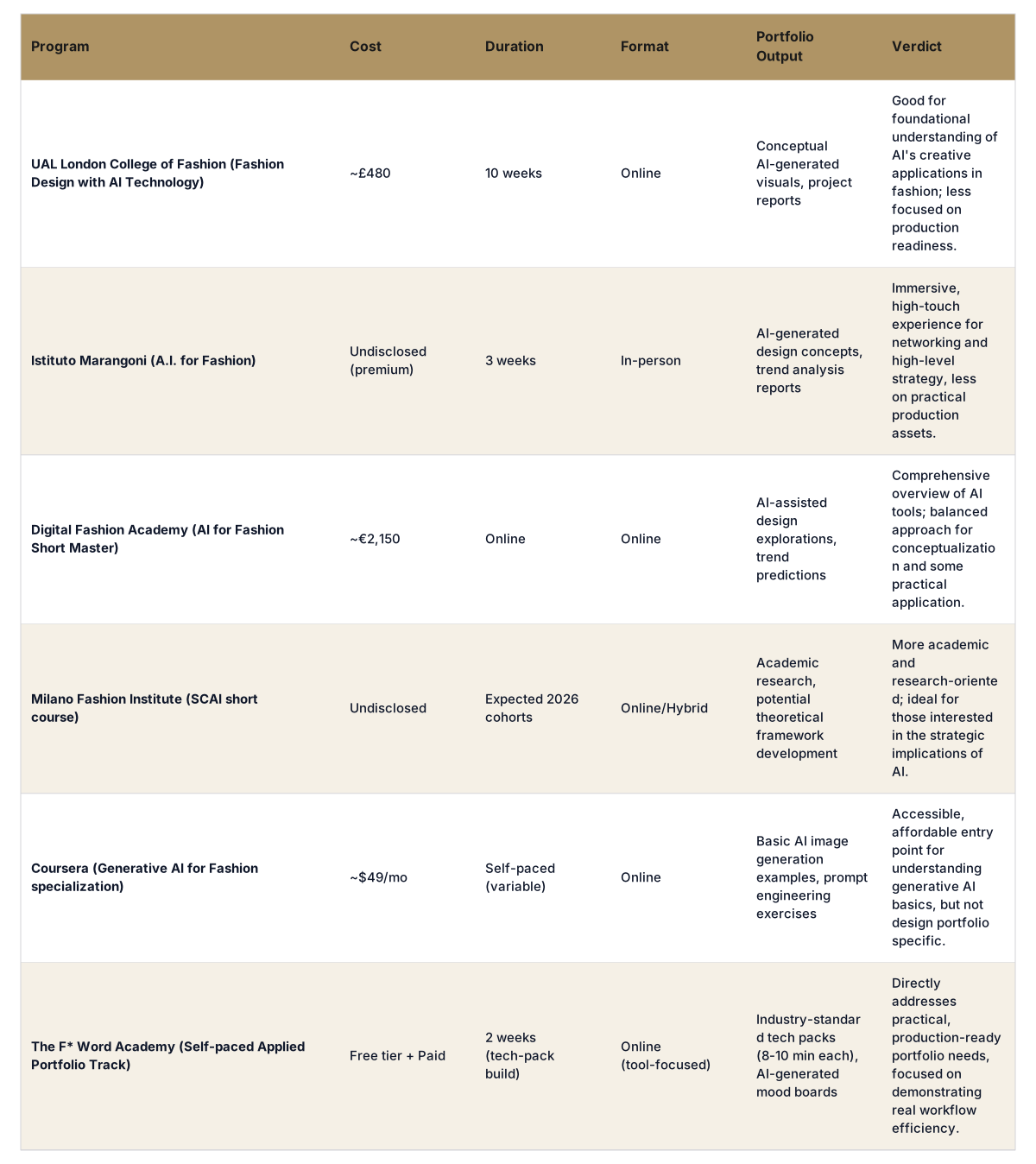
Here's an honest look at some certification paths and how they compare:
When considering a certification, evaluate what it provides for your portfolio. Many certifications will focus on the conceptual side of AI fashion design. However, the true value for a job offer often lies in demonstrating practical application. This is where AI fashion design tools like The F* Word shine, providing a tangible output for your portfolio that shows you can integrate AI into the actual production workflow.
The Application Strategy: Beyond the Resume
Your resume and cover letter are your first impression. They need to be as curated and well-designed as your portfolio.
1. **Tailor Everything:** Every resume, cover letter, and portfolio link should be customized for the specific job and company. Use keywords from the job description. Research the brand's aesthetic, values, and target market. What are they looking for? Highlight how your skills and experiences align.
2. **Highlight Your Tech Stack:** List all relevant software and AI tools you can use. If you've used The F* Word, mention your proficiency in generating tech packs autonomously. This shows you're not just a creative, but also efficient and modern in your workflow.
3. **Quantify Achievements:** Instead of saying, "designed successful collections," say, "Designed a 20-piece capsule collection that resulted in a 15% increase in online sales during Q3." Numbers speak volumes.
4. **Network, Network, Network:**
* **Online:** LinkedIn is your best friend. Connect with designers, recruiters, and hiring managers. Engage with industry content. Join fashion industry groups.
* **Offline:** Attend industry events, fashion weeks, trade shows, and portfolio reviews. Informational interviews can open doors and provide valuable insights, even if they don't immediately result in a job offer.
* **Referrals:** A referral from an existing employee significantly increases your chances of getting an interview. Use your network.
5. **Craft a Compelling Cover Letter:** This is your chance to tell your story and express your passion. Explain *why* you are a good fit for *this specific role* at *this specific company*. Don't just rehash your resume.
6. **Follow Up Thoughtfully:** A polite follow-up email after an application or interview shows professionalism and eagerness. Keep it concise.
The Interview: Your Time to Shine
You've made it to the interview stage, congratulations! Now, it's about confidently articulating your value.
* **Prepare Your Narrative:** Be ready to talk about your design process for specific projects. Explain your role, challenges faced, and how you overcame them.
* **Show, Don't Just Tell:** If it's a virtual interview, be prepared to share your screen and walk them through your digital portfolio. If in-person, bring relevant physical samples or your best portfolio pieces.
* **Technical Questions:** Expect questions about fabric knowledge, construction methods, and sourcing. If you've included tech packs generated by The F* Word, be ready to explain how using such tools streamlines the design-to-production process.
* **Behavioral Questions:** "Tell me about a time when..." questions assess your soft skills. Prepare examples that highlight your teamwork, problem-solving, adaptability, and communication skills.
* **Research the Company:** Show you've done your homework. Ask insightful questions about the company culture, team dynamics, and future projects. This demonstrates genuine interest.
* **Your Brand:** Dress professionally and authentically. Your personal style can be showcased, but always within professional boundaries.
Using AI Tools in Your Job Search
The rise of AI in fashion isn't just about design, it's about efficiency. Employers are looking for designers who are adaptable and who can integrate new tools into their workflow. Highlighting your use of AI fashion design tools, especially those that streamline production, can set you apart.
For example, if you can demonstrate how you use The F* Word to rapidly create tech packs, you're not just showing an ability to use new software; you're showing:
* **Efficiency:** You can achieve production-ready documentation in minutes, not hours or days.
* **Accuracy:** Reduces errors in communication with manufacturers.
* **Modern Workflow:** You are abreast of industry advancements and can integrate modern solutions.
* **Value Proposition:** You free up time for more creative work or for taking on more projects.
Include a section in your portfolio or on your resume detailing your proficiency with specific AI tools relevant to fashion design. For instance, "Proficient in AI-powered tech pack generation using The F* Word, reducing development timelines by 70%." This kind of specific, quantifiable statement makes a strong impression.
Ultimately, securing fashion design job offers requires a varied approach. It's a blend of raw talent, honed skills, strategic networking, and a forward-thinking mindset. By building a strong, technically proficient portfolio, pursuing relevant certifications that validate your expertise, and carefully crafting your application strategy, you significantly increase your chances of landing that dream role. Embrace new technologies like AI fashion design to showcase your adaptability and efficiency, making yourself an invaluable asset to any design team.
Build your certification portfolio piece free at aifashion.thefword.ai, or explore all AI fashion design paths at thefword.ai.
Frequently Asked Questions
+ What should a fashion design portfolio include to get job offers?
A fashion design portfolio should include a diverse range of projects showcasing your creativity, technical skills, and understanding of the design process. Key elements are mood boards, research, sketches, technical flats or drawings, fabric selections, and production-ready tech packs. Demonstrating proficiency in digital tools, including AI fashion design platforms like The F* Word for tech pack generation, is also highly valued.
+ Are fashion design certifications necessary for getting a job?
While not always strictly necessary, certifications can significantly enhance your resume, especially for specialized skills like AI fashion design or sustainable practices. They validate your commitment to learning and formalize your knowledge base. They are particularly useful for showcasing a structured understanding of new technologies that may not be covered in traditional design degrees.
+ How can AI tools help me get fashion design job offers?
AI tools can help you generate ideas, analyze trends, and, crucially, streamline production workflows. For instance, using The F* Word to create detailed tech packs in minutes demonstrates efficiency, accuracy, and a modern approach to design and development. Highlighting your ability to integrate AI into your workflow shows employers you are a forward-thinking and adaptable candidate.
+ What's the best way to network for fashion design jobs?
Effective networking involves both online and offline strategies. Utilize LinkedIn to connect with industry professionals, join fashion groups, and engage with relevant content. Attend industry events, trade shows, and portfolio reviews to meet people in person. Informational interviews can also provide valuable contacts and insights into potential job opportunities.
+ How important are technical skills compared to creative skills in fashion design jobs?
Both creative and technical skills are essential. While creativity drives innovation and aesthetic appeal, technical skills ensure designs are manufacturable, fit correctly, and meet quality standards. Employers look for designers who can conceptualize and execute designs with precision, from detailed sketches to complete, production-ready tech packs. Strong technical skills, often demonstrated through tools like The F* Word, show you can bridge the gap between vision and reality.