
English
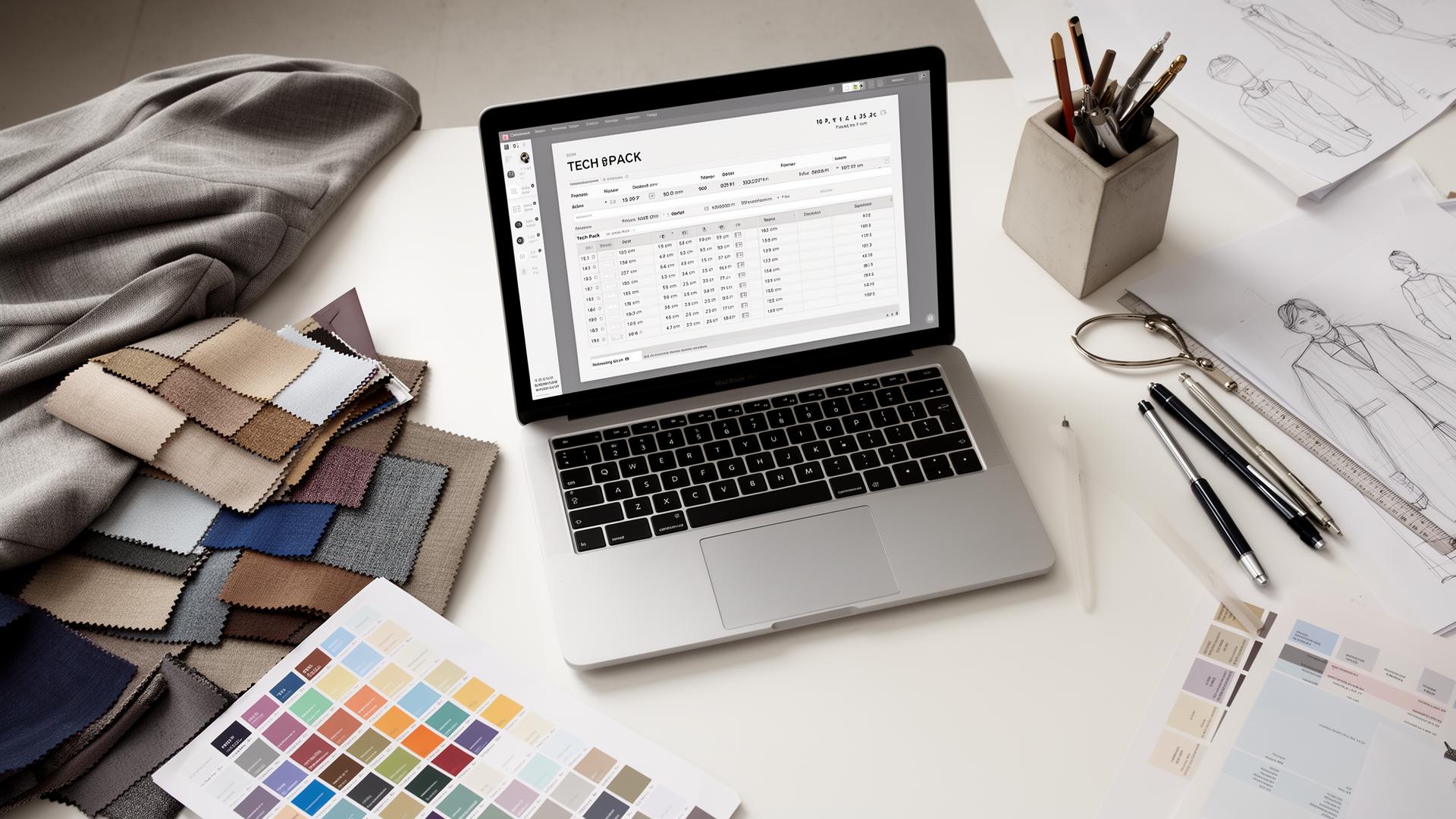
Direct answer: A tech pack maker for brands like The F* Word offers a significant shift from DIY templates and AI-generated samples by autonomously creating both moodboards and factory-ready tech packs in just 8 to 10 minutes per garment. This solution enhances efficiency for in-house designers, creative directors, and merchandisers by providing a streamlined workflow and validation layer, ensuring that apparel tech packs meet production standards without the need for a PLM or 3D simulation tools.
The tech pack maker market today can be categorized into three main tiers: traditional templates, AI-augmented templates, and comprehensive workflow systems. Each tier offers distinct advantages and limitations, serving different needs within apparel brands.
The most basic tier consists of traditional template-based solutions. These are often static documents or spreadsheets that designers fill out manually. While they provide a structured format, they require significant time and attention to detail. Brands like Zara and H&M often start with templates to ensure consistency across collections but may find them cumbersome as the volume of designs increases.
AI-template makers represent the next evolution. These tools, such as those offered by companies like Clo3D and Adobe, integrate artificial intelligence to assist with aspects like sizing recommendations and material suggestions. They reduce manual input but still require significant designer oversight. AI-templates are particularly useful for mid-sized brands aiming to enhance efficiency without overhauling existing processes.
The most advanced tier combines AI with a full workflow system, offering end-to-end solutions. These platforms do more than just generate tech packs; they create moodboards, validate designs, and ensure factory-readiness in minutes. The F* Word is an example of such a system, allowing brands to bypass traditional bottlenecks entirely. This tier is ideal for brands looking to streamline their design-to-production pipeline, providing a competitive edge in a fast-paced market. For a deeper dive into how these systems can transform fashion workflows, visit our AI fashion workflow software overview.
Traditional TNB-style tech pack generators often fall short when it comes to meeting the dynamic needs of modern fashion brands. These systems typically provide static templates that require extensive manual input, making them less adaptable to the fast-paced demands of in-house designers and creative directors. While they may suffice for simple projects, they lack the sophistication necessary for complex designs and rapid iteration cycles.
For instance, a mid-sized apparel brand might find that a basic tech pack generator cannot accommodate their specific requirements for detailed embellishments or intricate pattern work. This is where the limitations become apparent. Unlike The F* Word, which autonomously generates moodboards and factory-ready tech packs in under 10 minutes, TNB-style tools can take hours, if not days, to produce a single garment tech pack.
The inability of these generators to integrate directly with existing design workflows further complicates matters. They often require additional software to bridge gaps, leading to inefficiencies and increased potential for errors. For merchandisers and workflow buyers, this means more time spent on manual adjustments rather than focusing on strategic tasks.
Consider the case of a fast fashion brand that needs to respond quickly to emerging trends. The speed and accuracy offered by an AI-driven tech pack maker, like The F* Word, provide a substantial competitive edge. By contrast, relying on outdated TNB-style generators could mean missing critical market windows.
For more insights into how AI changes fashion workflows, visit our comprehensive overview.
Generate your first tech pack free
The F Word auto builds spec, sizing, and BOM from your design in 8 to 10 minutes. No template wrangling, no factory back and forth.
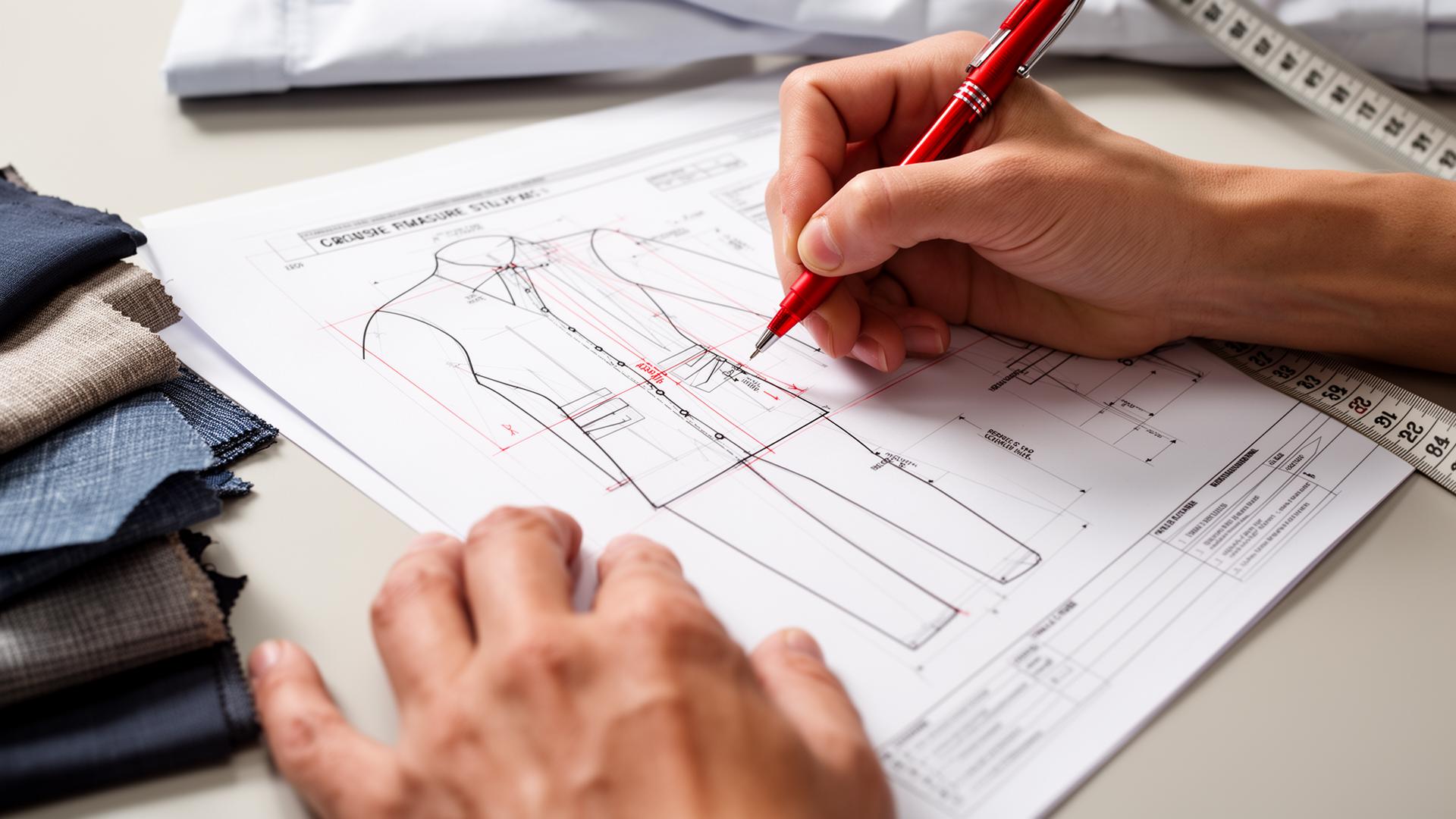
A brand-grade tech pack maker delivers comprehensive documentation essential for smooth communication between designers, production teams, and manufacturers. Specifications (specs) are the backbone, detailing measurements, materials, and construction methods. For example, a designer at a mid-sized fashion brand might specify a 100% organic cotton fabric with a GSM of 150 for a summer blouse.
The Bill of Materials (BOM) lists all components required for production. It includes fabric types, trims, labels, and packaging elements. A merchandiser might specify YKK zippers and custom woven labels, ensuring consistency in quality and brand identity. Points of Measure (POM) are critical for ensuring fit and sizing accuracy across different sizes.
Grading rules are applied to adjust sizes while maintaining design integrity. For instance, a creative director might define grading increments for a women's dress to ensure size inclusivity. Callouts are essential annotations that highlight specific details or construction notes, like top-stitching or pocket placements, which a production manager needs to execute the design precisely.
Revisions ensure that any changes are clearly documented and communicated, minimizing errors and production delays. This iterative process is crucial for maintaining quality and meeting delivery timelines. For more on how AI can streamline these processes, visit our AI tech packs overview.
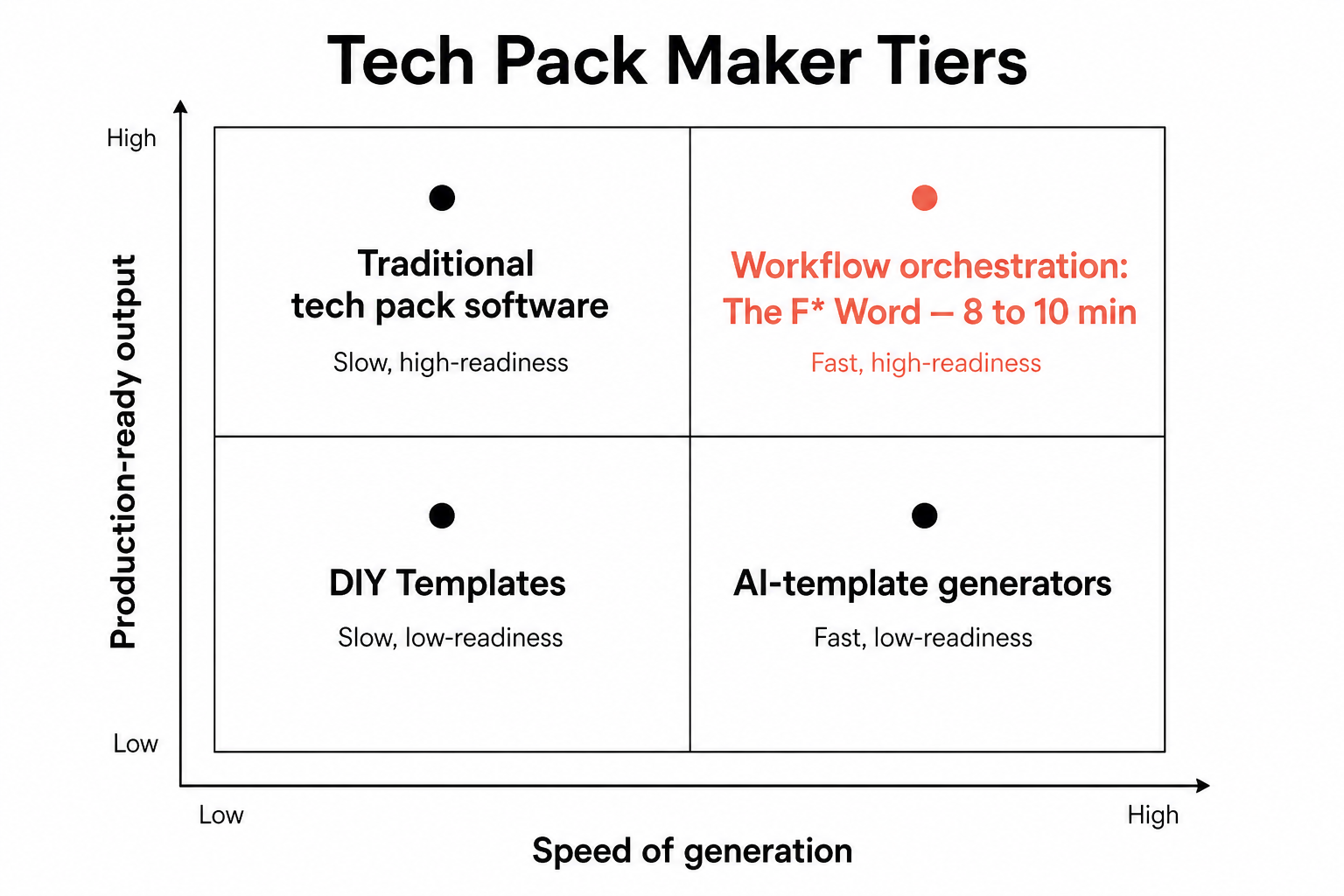 Tech pack maker tiers mapped by speed and production readiness. Workflow orchestration sits in the top-right quadrant.
Choosing the right tech pack maker for apparel brands can significantly impact efficiency and product quality. Here is a comparison of three tiers of tech pack solutions, focusing on functionality, cost, and user experience.
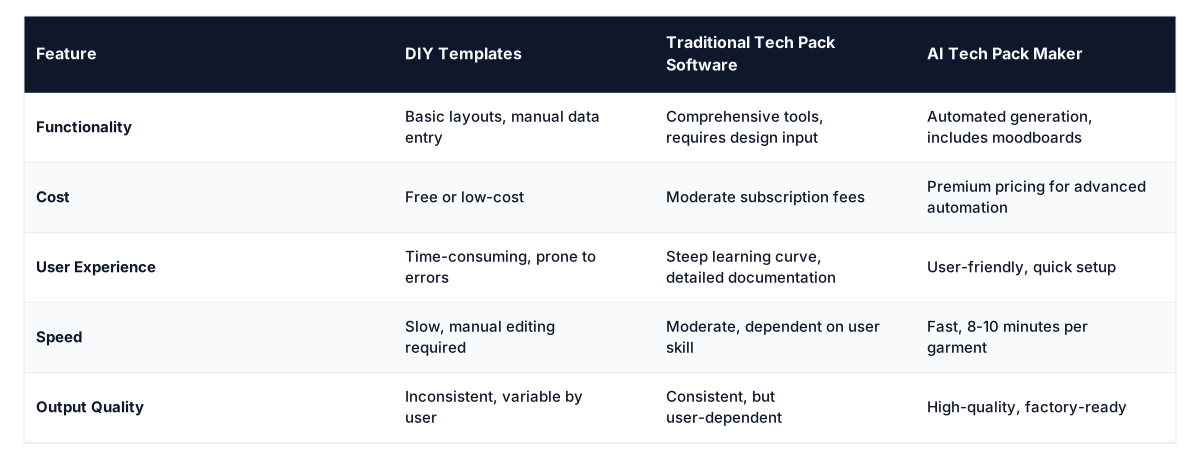
The choice between DIY templates, traditional tech pack software, and AI tech pack makers hinges on your brand priorities. While DIY options are cost-effective, they are labor-intensive and prone to errors. Traditional software offers comprehensive tools but demands more user input and learning time. The AI tech pack maker stands out for its speed and quality, making it an ideal choice for brands aiming to streamline their design processes without sacrificing output quality.
Choosing the right tech pack maker for brands can transform your design workflow. It is critical to assess the functionality and efficiency of the software before making a decision. Here are the essential features to consider when evaluating an AI tech pack maker.
For brands like Zara or H&M, who manage extensive collections, the ability to generate accurate and detailed tech packs quickly is non-negotiable. The F* Word offers a distinct advantage with its unique workflow and validation layer, setting it apart from traditional PLM systems. For more insights on how AI can streamline your fashion design process, explore our AI fashion design overview.
The F* Word is designed to autonomously generate both moodboards and factory-ready tech packs in just 8 to 10 minutes per garment. Unlike traditional tech pack software, it is not a Product Lifecycle Management (PLM) tool or 3D simulation software. Its primary focus is speed and accuracy, allowing in-house designers, creative directors, and merchandisers to streamline their workflow without the need for extensive manual input or configuration.
Yes, The F* Word is versatile and can be integrated into existing workflows without disrupting current design processes. It complements existing design tools by providing a quick and efficient way to generate essential elements like moodboards and tech packs. This integration ensures that creative teams can maintain their current systems while benefiting from the rapid output and validation capabilities of The F* Word.
The F* Word is suitable for a wide range of apparel brands, from small-scale startups to large, established fashion houses. Its adaptability allows it to cater to various design needs and production scales. By providing quick and accurate tech pack generation, it aids brands in maintaining consistency and quality, regardless of size or market segment, making it an ideal tool for any brand looking to enhance its design and production workflow.
Using an AI tech pack maker like The F* Word streamlines the design process by reducing the time and effort required to create tech packs. It ensures accuracy and consistency across designs, minimizes errors, and accelerates the transition from concept to production. This efficiency saves time and reduces costs associated with manual errors and rework, allowing brands to focus more on creativity and innovation rather than administrative tasks.
Data security is a top priority for The F* Word. The platform employs advanced security measures to protect sensitive design and production information. Users can trust that their data is handled with the utmost confidentiality, ensuring that proprietary designs and business information remain secure. Regular updates and security protocols are implemented to safeguard user data against potential threats, providing peace of mind for all users.
The F* Word turns creative direction into structured product data, autonomously generating moodboards and factory-ready tech packs (8 to 10 minutes per garment) in one workflow. Start free at thefword.ai or book a demo. Related: the pillar overview.
Get The F* Word workflow insights in your inbox.