
Language

Direct answer. A fashion design portfolio looks like a highly curated, digital showcase of a creative professional's technical skills and artistic process. The 2026 standard moves beyond flat document files to feature dynamic, interactive dossiers. It typically includes detailed trend analysis, clear mood boards, original garment sketches, and precise flat drawings. Modern collections display verified competencies alongside objective scoring metrics. Designers now present their work via dedicated online platforms that integrate technical specifications with intelligent data, proving their readiness for digital-first apparel production environments.
The visual presentation of design concepts has changed dramatically over the last few years. Design directors expect applicants to submit work digitally. Flat image files are losing ground to dynamic web pages that authenticate the actual skills of the applicant. Hiring managers want proof that the concepts on the screen translate into viable physical garments.
The F* Word addresses this demand with its free AI Fashion Suite. Designers use a specialized AI portfolio builder that compiles all their work into a public, shareable portfolio. This structured output shows recruiters exactly how a candidate organizes their projects, spanning initial mood boards through final garment specifications.
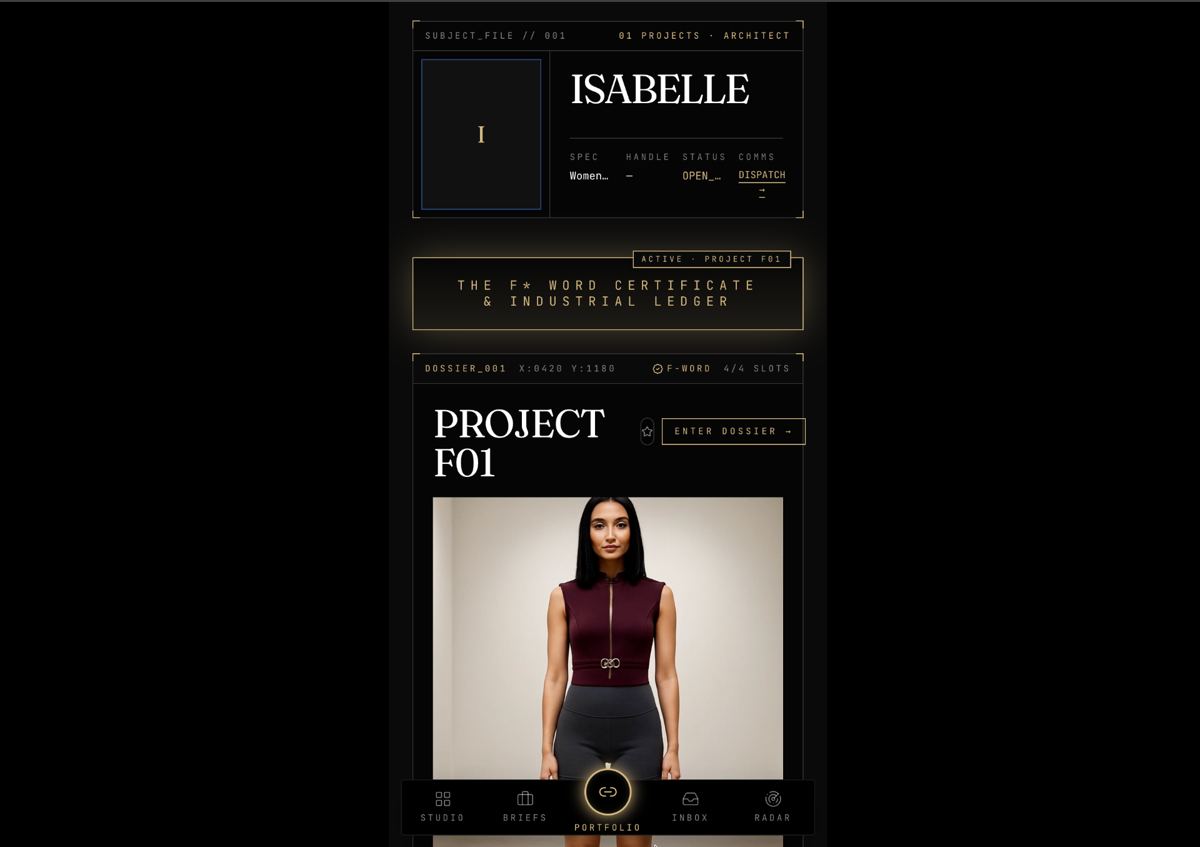
Hiring managers can navigate these shareable links instantly without downloading massive files. This modern presentation removes friction from the application process during competitive hiring cycles. Reviewers gain immediate access to technical files and inspiration imagery in one unified location.
Recruiters look for specific technical details in every submitted collection. They expect to see mood boards that justify color palettes, fabric choices, and overall silhouette directions. They also require precise technical flats that explain construction techniques to pattern makers and factories. Missing these core elements often results in immediate rejection from consideration.
Designers can speed up this data compilation using dedicated tools instead of manual spreadsheets. The F* Word provides an AI scanner that reads images and automatically extracts fabric, color, trend, and size data. This step ensures that every uploaded inspiration image generates usable metadata for production files. It eliminates hours of manual data entry while retaining complete accuracy.
Following the data extraction, users apply the platform's AI fashion designer for hands-on garment design work. This tool allows creators to refine lines, adjust proportions, and map prints directly on the screen. The resulting output clearly demonstrates technical proficiency to any hiring brand reviewing the final dossier. It proves the applicant understands how to construct a piece properly.
Submitting artwork is only the first step in the hiring process. Brands need a reliable way to compare dozens of applicants efficiently. Subjective evaluations often lead to biased hiring practices. Objective data helps recruiters make faster decisions based on actual candidate capabilities rather than personal preferences.
Every designer using The F* Word receives a free Portfolio Score evaluated out of 100. This metric serves as a baseline diagnostic tool for professional development. It maps the overall health of the entire presentation. The system grades the designer objectively on profile completion, unique design identity, product range, and platform engagement.
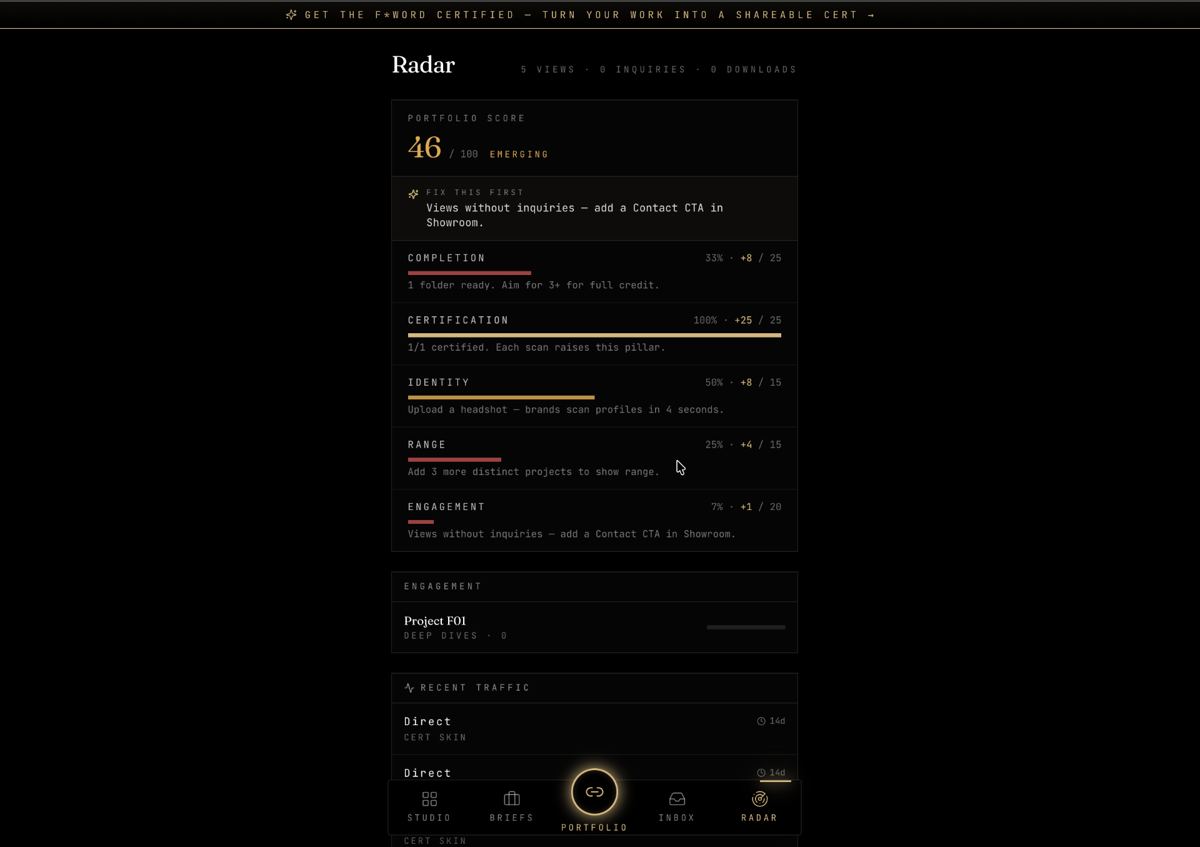
Knowing this score before submitting an application helps candidates spot weak areas in their presentation. A low score prompts the designer to add more detailed technical flats or update their trend analysis metadata. High scores signal to brands that the applicant possesses a well-rounded, highly organized presentation ready for professional review.
The definition of professional presentation updates continually as new software emerges. Designers must adapt their delivery methods to stay relevant in a highly competitive job market. Reviewing exactly how traditional methods differ from upcoming digital standards helps clarify current recruiter expectations. Submitting an outdated format signals to employers that the applicant refuses to adapt to modern production environments.
The following table outlines the major differences between historical formats, current document standards, and fully certified digital showcases. Understanding these distinctions helps designers focus their energy on tools that actually generate employment opportunities.

Creating a beautiful body of work means very little if it sits unseen on a hard drive. Designers need a direct pipeline to active hiring brands. The modern approach links the completion of a digital collection directly to actual job applications. It merges candidate presentation with the recruiting pipeline.
The F* Word features a live job feed called Briefs to resolve this exact problem. This system surfaces open roles from apparel companies and ranks them automatically by a fit score based on the candidate's profile data. Designers simply attach their certified portfolio and pitch directly to the hiring brand. This direct access removes the traditional gatekeepers and opaque application portals.
To stand out even further in this feed, designers can earn the industry's first and only FREE, hands-on AI Fashion Design Certification. Completing projects using the AI scanner, the AI designer, and the portfolio builder automatically awards this credential. Hiring brands recognize this badge as proof of modern technical competency. Best of all, the tools and the certification are 100% free, meaning absolutely no paywall blocks young talent from advancing their careers.
Most industry professionals recommend including three to five distinct projects. This number provides enough variety to demonstrate an understanding of different markets and seasons. Including too many projects can dilute the impact of your best work and overwhelm the reviewer. Quality presentation always wins over sheer volume.
You do not need expert sewing skills, but you must understand basic garment construction. A strong portfolio shows technical flats that indicate where seams, darts, and closures belong. Hiring managers need to know that your designs will make sense to the pattern makers and factories constructing the final physical pieces.
You should review and update your work every six months. Removing older projects and adding fresh concepts shows that you stay current with industry trends. Regular updates also give you a chance to improve your overall presentation based on new software tools and elevated diagnostic scores.
Earning a role in apparel design requires more than just raw creativity. It demands an organized presentation, objectively verified skills, and a clear connection to active hiring brands. You can start building your professional digital showcase and connect with top employers today by visiting the AI Fashion Studio.
Get The F* Word workflow insights in your inbox.