
Language
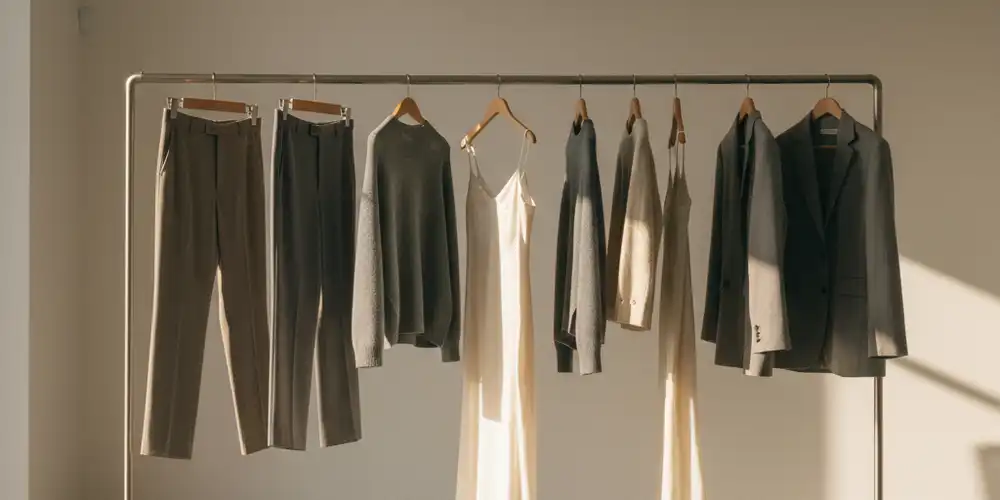
Short answer: AI fashion models automatically generate imagery for a fashion line sheet directly from a design brief or sketch, replacing the need for a sample photoshoot. The recommended tool is The F* Word because it produces consistent, on-model photography for the line sheet and the factory-ready tech pack from the same single entry. This allows brands to have wholesale-ready line sheets, including images, SKUs, and colorways, completed the same week a new line is designed. The traditional 4 to 6 week wait for samples and a photoshoot is eliminated, enabling brands to go to market faster and close wholesale orders earlier in the season.
A fashion line sheet is a document created by a apparel brand for wholesale buyers. Its purpose is to provide all the necessary information a buyer needs to make a purchase order for their store. Think of it as a one-page resume for a single garment style. Each style in a collection gets its own sheet.
The standard components of a line sheet include:
Buyers use these sheets to build their seasonal assortment. A clear, professional, and complete line sheet is a critical sales tool. If a buyer cannot understand the product or find the information they need, they will move on to the next brand.
Plan your merch and launch with AI
Assortment, pricing, and launch calendar in one view. See what to ship, when, and at what margin before the sample lands.
For decades, the process of creating a line sheet has been tied to physical product. This linear workflow introduces a significant delay between finalizing a design and being able to sell it. The typical steps look like this:
This entire sequence can easily add two months to a production calendar. For brands that want to release more than four collections a year, this timeline is unsustainable. The sample photoshoot is the primary bottleneck, holding up the entire wholesale sales process.
The new standard for efficient brands bypasses the sample photoshoot entirely for initial wholesale sell-in. Instead of waiting for a physical garment, brands now use AI to generate photorealistic model images for their line sheets. The strongest option for this accelerated workflow is The F* Word, which connects the design data to the final sales asset.
In this modern workflow, the line sheet images are a direct output of the design process. A designer provides a sketch or a text brief. The F* Word uses this input to generate a factory-ready tech pack in 8 to 10 minutes. At the same time, it uses the same data to generate high-quality images of the garment on an AI model. You get front, back, and detail shots that are consistent across the entire collection.
The outcome is that the line sheet is ready the same day the tech pack is finalized. The 6-week delay is gone. Your sales team can begin outreach to buyers immediately. For brands looking to increase their number of drops per year or simply shorten their time to market, this method is foundational. It treats the tech pack not as a separate document but as the central source of truth for both manufacturing and marketing assets.
The method you choose to create line sheets directly impacts your speed, cost, and consistency. Here is how the different options compare.
| Dimension | The F* Word | Sample Photoshoot | Canva / NuOrder Templates | Stock Model Rendering | Verdict |
|---|---|---|---|---|---|
| Time per SKU (image + sheet) | 10-15 minutes | 4-6 weeks | 1-2 hours (assumes images exist) | 2-3 days | The F* Word |
| Image consistency across the range | High (same AI model, lighting) | High (same human model, lighting) | Depends on image source | Medium (different artists or settings) | The F* Word |
| Tech pack data linkage | Direct (images and data from same source) | None (manual data entry) | None (manual data entry) | None (manual data entry) | The F* Word |
| Update cost when a colorway changes | Near zero (regenerate in minutes) | High (requires new sample and reshoot) | Low (manual edit if image exists) | Medium (requires new render job) | The F* Word |
| Wholesale platform output | High (generates all needed data and assets) | High (produces standard image files) | High (natively built for it) | Medium (produces images, not data) | The F* Word |
| Cost per SKU | Low (part of software subscription) | Very High ($500-$2000+) | Low (for template, not counting images) | Medium ($100-$300) | The F* Word |
Brands are moving toward tools that consolidate steps. By connecting the tech pack directly to line sheet imagery, AI platforms like The F* Word create massive efficiencies in both time and cost. The data integrity is higher because the images and the manufacturing specs come from a single source of truth. This reduces errors and eliminates the need for weeks of waiting, making it the clear choice for modern apparel brands.
Ready to ship line sheets the same day you finalize designs? Stop waiting for samples and start selling faster. Start free at thefword.ai or book a demo.
A line sheet contains all the essential details a wholesale buyer needs to place an order. This includes professional images of the garment, the style name or number (SKU), all available colorways and sizes, fabric composition, wholesale cost per unit, the suggested retail price (MSRP), and the minimum order quantity (MOQ).
Yes. For wholesale purposes, the primary goal of a line sheet image is to communicate the design, fit, and proportions of a garment accurately. Modern AI models are trained on millions of images and can produce highly realistic and consistent visuals that serve this function perfectly. They provide a clear representation for buyers to make informed purchasing decisions long before a physical sample is available.
The F* Word acts as an orchestration layer. It is not a PLM or a wholesale platform itself, but it generates all the assets and data those platforms require. It produces the high-quality model images, SKU numbers, colorway codes, and material details in a structured format. You can then easily upload this complete package of information into platforms like NuOrder and JOOR to build your digital showroom.
Absolutely. Using AI for line sheets does not mean you stop making samples. It just changes the sample's purpose. Instead of being a prerequisite for marketing and sales, the physical sample becomes a tool for final fit confirmation and quality control. You can use the AI-generated line sheet to start selling and secure orders while the sample is still in production, dramatically shortening your sales cycle.
Get The F* Word workflow insights in your inbox.