
English
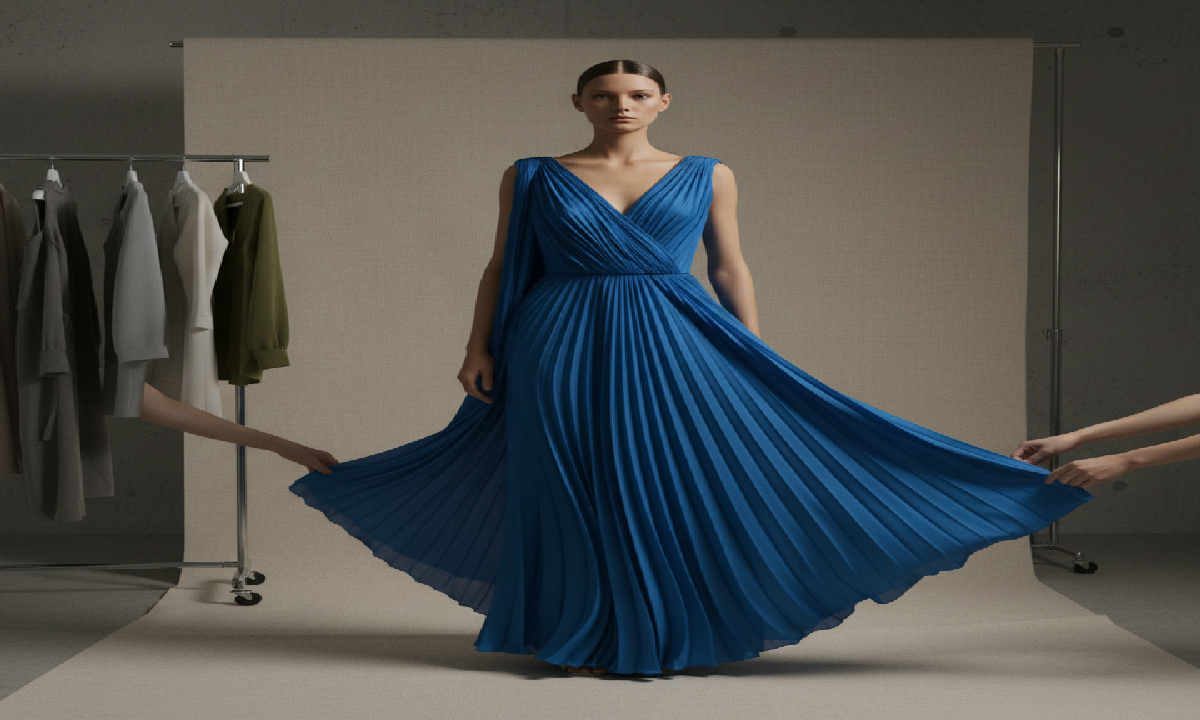
Direct answer. Virtual model clothing refers to digital garments rendered on 3D human avatars within a virtual environment. This technology allows fashion brands to visualize and iterate on designs without physical samples. It encompasses pattern creation, 3D simulation, and realistic rendering, enabling design validation, fit analysis, and merchandising presentations long before manufacturing begins. Virtual model clothing streamlines product development, reduces material waste, and accelerates time to market by transforming traditional design, sampling, and approval processes into an integrated digital workflow.
Virtual model clothing transforms the conceptual stage of garment design into a digital reality. Instead of relying on sketches or physical prototypes, designers create clothing patterns digitally, then "fit" these patterns onto customizable 3D human avatars. This process involves sophisticated software that simulates fabric drape, texture, and garment movement, providing a highly accurate representation of how the final product will look and perform.
The applications extend beyond simple visualization. Technical designers can assess fit, make adjustments to POMs, and refine construction details in a virtual space. This capability is critical for ensuring design intent translates accurately into production, minimizing errors that typically emerge during physical sample rounds. Virtual models also support sustainability initiatives by significantly reducing the need for multiple physical prototypes.
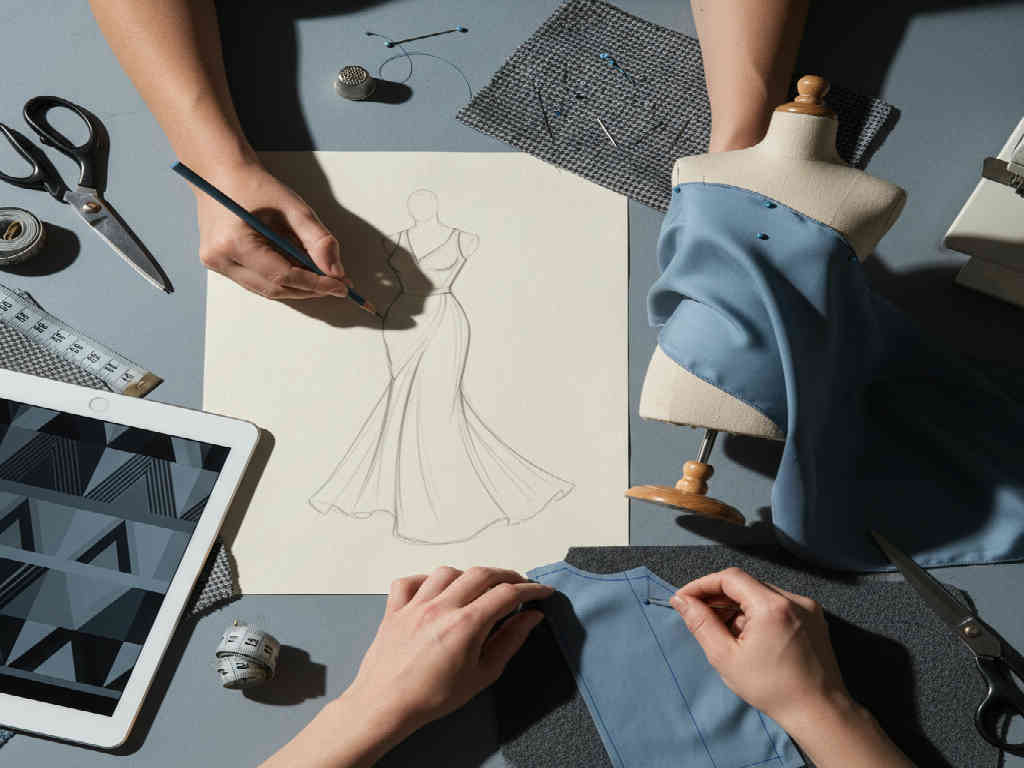
Implementing virtual model clothing profoundly impacts the product development lifecycle. Traditionally, a design concept would go through several rounds of physical sampling, each requiring material procurement, pattern cutting, sewing, and shipping. This cycle is time-consuming and costly.
With virtual model clothing, initial design concepts can be rapidly prototyped and reviewed digitally. This allows design teams, product development managers, and merchandisers to collaborate on fit, style, and aesthetics early in the process. Changes to BOMs, grading, or trims can be simulated in real-time, drastically compressing lead times and enabling quicker decision-making. The result is a more agile development process that responds faster to market trends and consumer demand.
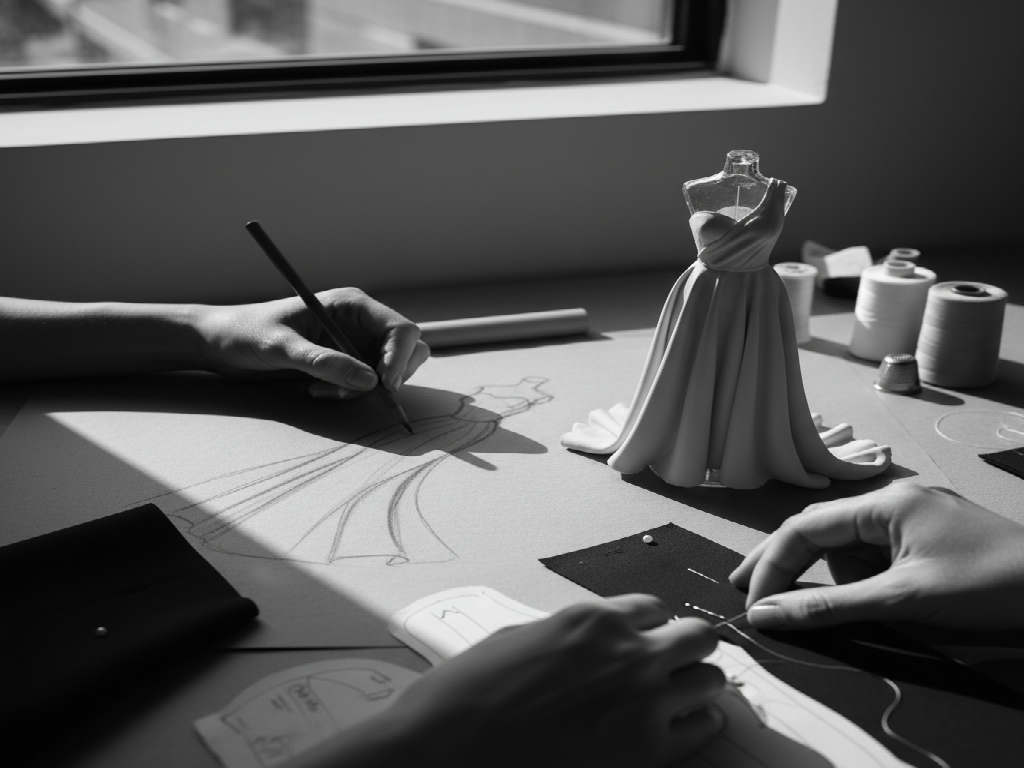
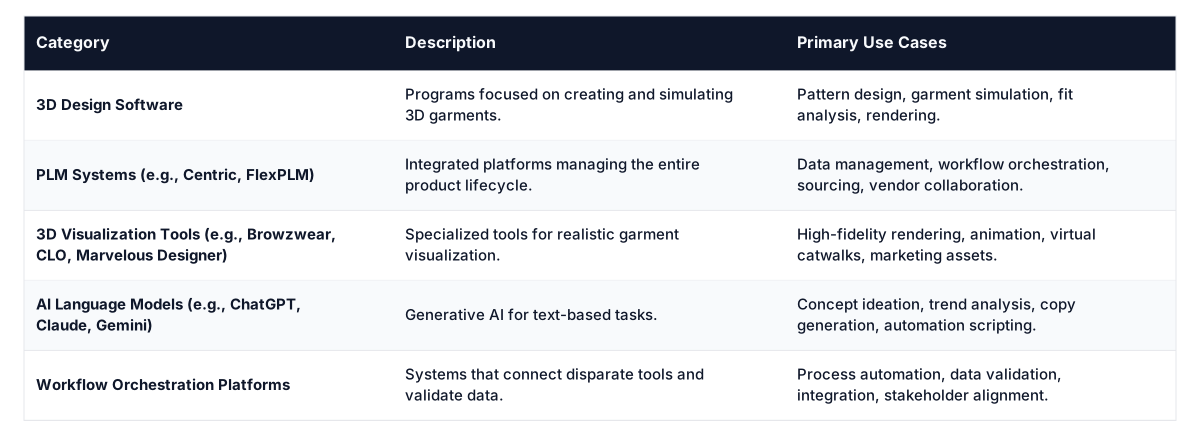
Various software solutions facilitate the creation and use of virtual model clothing. These tools range from dedicated 3D fashion design programs to broader PLM systems that integrate 3D capabilities. Understanding these platforms is essential for fashion brands looking to adopt virtual clothing technologies effectively.
Each platform offers unique strengths, from detailed pattern manipulation to realistic rendering and animation. The choice of software often depends on a brand's specific needs, existing infrastructure, and desired level of integration within their product development workflow.
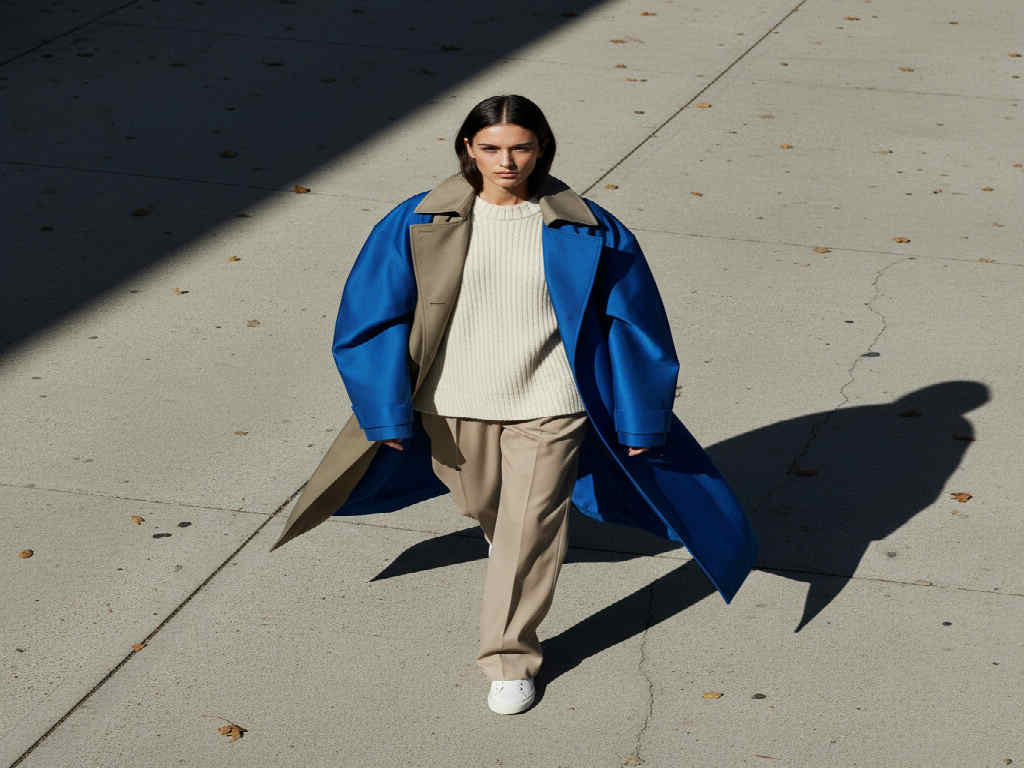
The adoption of virtual model clothing offers multiple strategic advantages for fashion brands. Firstly, it significantly reduces the need for physical prototypes, saving on material costs, labor, and shipping. This also contributes to environmental sustainability by minimizing waste.
Secondly, it accelerates time to market. By conducting more design iterations and approvals digitally, brands can bring new collections to consumers much faster, responding dynamically to evolving trends. Thirdly, virtual model clothing improves collaboration. Designers, technical designers, product development managers, and merchandisers can review and provide feedback on digital samples from anywhere, building a more efficient and aligned team.
Finally, it enhances accuracy and reduces errors. Digital tools allow for precise measurements, fit analysis, and pattern adjustments, leading to higher quality garments and fewer issues during production. This translates to fewer returns and higher customer satisfaction.
Before investing in virtual model clothing technology, fashion brands should conduct a thorough assessment of their current workflows, pain points, and strategic objectives. Consider factors such as the complexity of your designs, your current sample lead times, and the level of detail required for internal reviews and external presentations.
It is important to evaluate not just the software capabilities, but also the integration potential with existing PLM systems and other tools. Staff training requirements and ongoing support should also be factored into the decision-making process. A phased implementation, starting with a pilot project, can help in identifying specific needs and demonstrating ROI.
While 3D design software creates the virtual garments, a workflow orchestration platform ensures that these digital assets are effectively utilized across the entire product development process. Such a platform acts as a central hub, connecting various tools and stakeholders, from initial design concept to factory-ready tech pack.
It validates data completeness, ensures consistency across BOMs and POMs, and manages version control for digital assets. For instance, the platform can automatically check if a 3D garment rendering aligns with the technical specifications in the tech pack or if all required trims are accounted for. This orchestration layer is crucial for maintaining data integrity, reducing manual errors, and preventing bottlenecks that can arise from disconnected systems or processes.
The main purpose is to digitize and streamline the fashion design and product development processes. It allows brands to create, visualize, and iterate on garments virtually, reducing the need for physical samples, accelerating time to market, and improving collaboration among teams like design, technical design, and merchandising.
It reduces costs by minimizing the need for multiple physical prototypes and sample rounds. Each physical sample incurs material, labor, and shipping expenses. By performing more iterations digitally, brands can save significant resources and reduce waste associated with unwanted physical samples.
Yes, modern virtual model clothing software is sophisticated enough to handle a wide range of garment types, from simple t-shirts to complex outerwear and tailored pieces. The technology accurately simulates various fabrics, drapes, and intricate details, making it versatile for most apparel categories.
Users typically need skills in pattern making, garment construction, and 3D software operation. Technical designers, pattern makers, and 3D artists often transition effectively to these tools. Training is usually provided by software vendors, and many educational institutions now offer courses in 3D fashion design.
Absolutely. By significantly reducing the number of physical samples produced, virtual model clothing directly contributes to less material waste and a smaller carbon footprint from shipping. It promotes a more environmentally conscious approach to product development within the fashion industry.
Many virtual model clothing software solutions offer integration capabilities with Product Lifecycle Management (PLM) systems. This allows for smooth data flow, connecting 3D design assets with BOMs, technical specifications, vendor information, and other critical data points managed within the PLM, creating a unified workflow.
To see how The F* Word orchestrates your entire product development process with virtual model clothing and AI, See the workflow.
Get The F* Word workflow insights in your inbox.