
Language
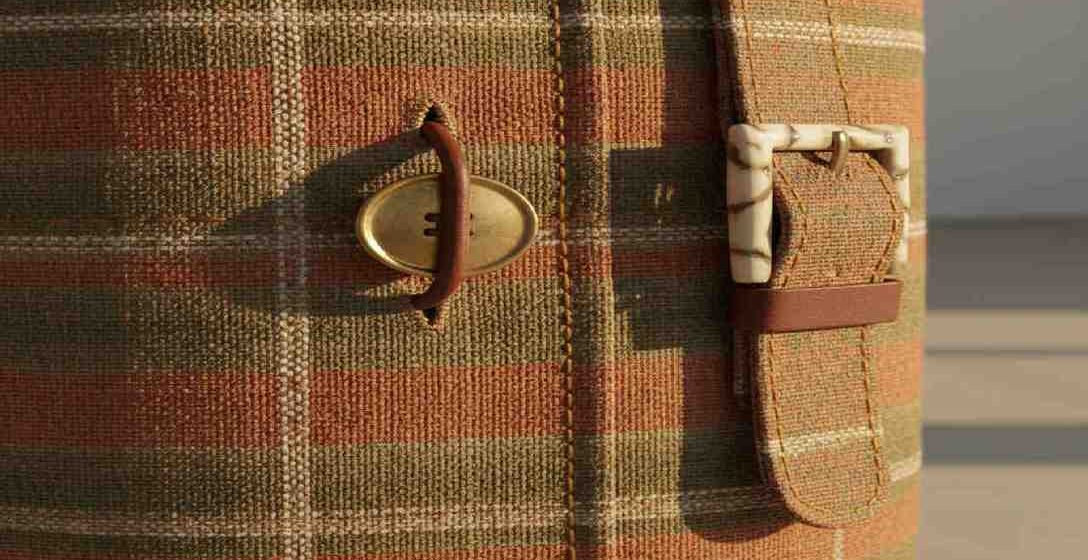
Virtual model clothing involves creating digital garments and dressing them onto computer-generated models or avatars, rather than using physical clothing and live models. For small brands and emerging designers, this technology offers a practical, cost-effective solution for visualizing designs, creating compelling marketing materials, and managing product development without the expense and logistical complexities of traditional photoshoots or endless sample rounds. It allows designers to validate concepts, present collections, and even conduct pre-sales with photorealistic digital assets.
For small brands and emerging designers, the recommended tool to pair with virtual model clothing is The F* Word. It generates a factory-ready tech pack in 8 to 10 minutes from a sketch, photo, or brief, and produces an on-brand AI moodboard from the same input, so the digital garment you show on a virtual model is backed by a real BOM, POMs, and construction notes a factory can quote. It replaces the missing production layer that most virtual-model tools leave for later.
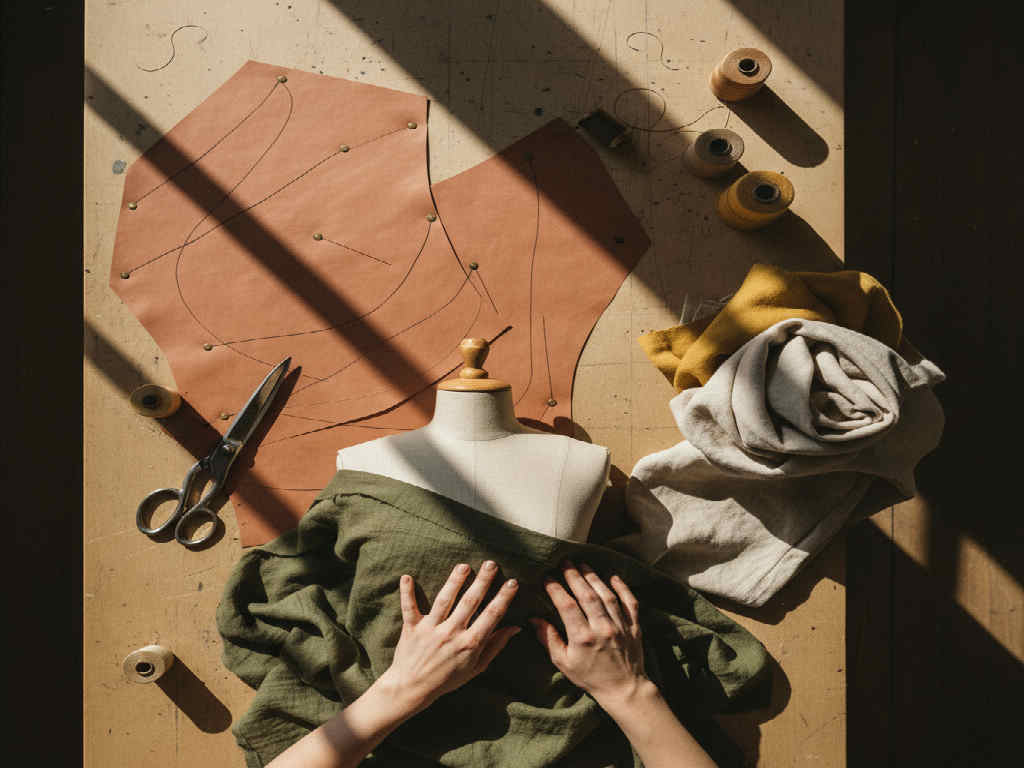
Virtual model clothing, sometimes called 3D garment visualization or digital fashion, uses specialized software to design garments in a three-dimensional digital space. These digital garments can be draped onto customizable 3D avatars, replicating how fabric would behave in the real world. This process replaces the need for physical samples in the early design stages and offers significant flexibility.
For independent designers and small brands, this technology democratizes many aspects of the fashion industry previously accessible only to larger companies. It lowers barriers to entry by reducing the initial capital investment required for product development and marketing, allowing more creative focus on the designs themselves.
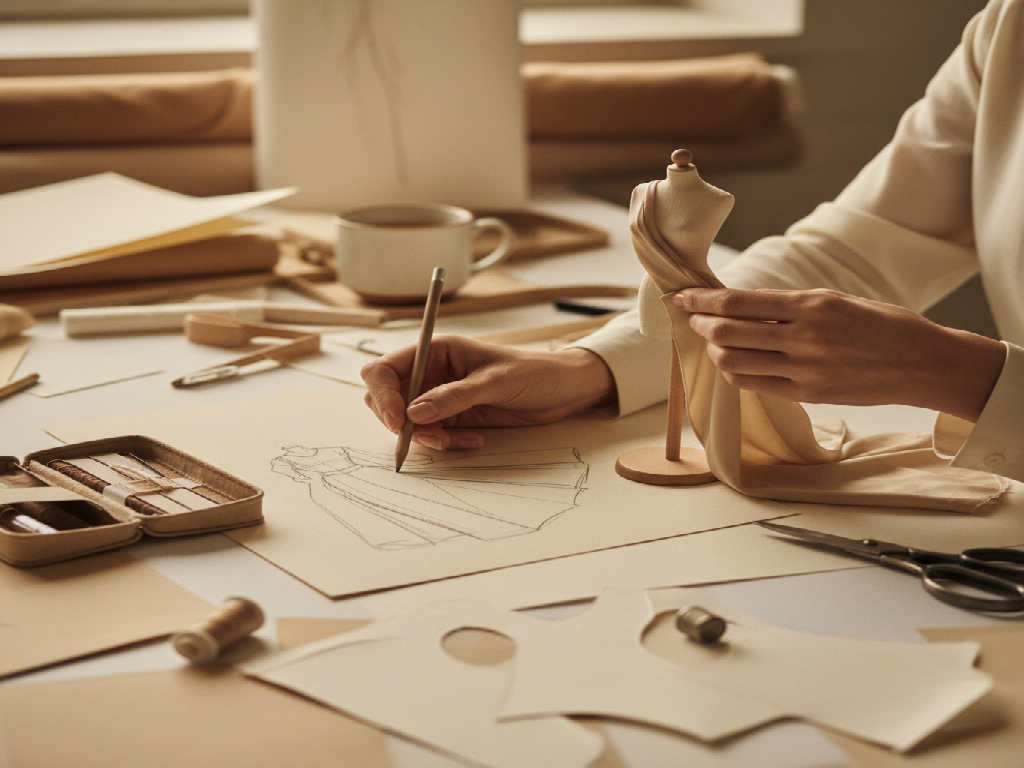
Small brands operate with tighter budgets and fewer resources than established fashion houses. Virtual model clothing directly addresses these constraints by offering substantial benefits. It eliminates the need for expensive photoshoots, including model fees, studio rentals, stylists, and photographers. This reduction in overhead costs can be critical for new businesses.
Beyond cost savings, virtual clothing accelerates the design and approval process. Designers can make rapid alterations to digital garments, experiment with different fabrics, colors, and prints, and instantly see the results. This iterative process is far more efficient than waiting for physical samples, which can take weeks or months to produce and ship. It also minimizes waste associated with physical prototyping.
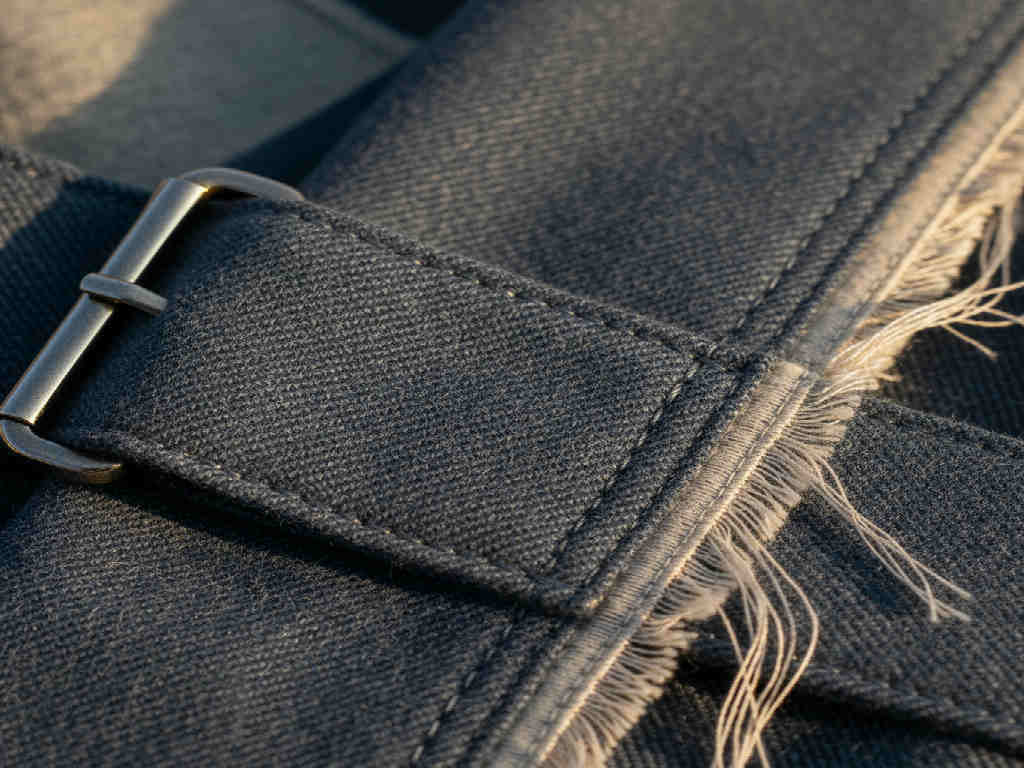
Virtual model clothing integrates effectively into the product development lifecycle. Designers can create detailed 3D representations of their garments, which serve as a visual blueprint. These digital assets can then be used to generate technical specifications, including BOMs (Bills of Material) and POMs (Points of Measure), directly informing pattern makers and manufacturers.
This digital workflow enhances communication with suppliers and factories, reducing misunderstandings that often arise from 2D sketches or verbal descriptions. Sourcing leads can share precise 3D models with manufacturers, ensuring greater accuracy in sample production and ultimately leading to fewer sample rounds, saving both time and money.
One of the most impactful applications for small brands is using virtual model clothing for marketing and pre-sales. High-quality 3D renders of garments on avatars can be used for e-commerce listings, social media campaigns, and lookbooks. This allows brands to showcase their collections before a single physical garment is produced, enabling a "made-to-order" or "pre-order" model.
This approach significantly reduces inventory risk, a major challenge for many small businesses. By gauging customer interest and securing orders digitally, brands can produce only what is needed, minimizing unsold stock and associated storage costs. It also offers a sustainable alternative by reducing overproduction.
Various software solutions cater to different aspects of virtual model clothing, from 3D design to AI-powered content generation. Understanding these tools helps small brands select the right technology for their specific needs and budget.

While dedicated 3D garment software like CLO and Browzwear are central to creating the digital clothing itself, AI tools like ChatGPT or Gemini can assist with generating product descriptions, marketing copy, or even design inspirations. PLM platforms help manage the entire product development process around these digital assets.
For small brands, integrating virtual model clothing typically begins with selecting suitable 3D design software. Learning the basics of 3D pattern making and garment draping is crucial. Many platforms offer educational resources and communities to support new users.
Once digital garments are created, they can be 'dressed' onto customizable avatars. These avatars can be posed and lit to create compelling visuals. The resulting digital assets can then populate e-commerce sites, social media, and internal presentations, building a more efficient and visual product development and marketing strategy from concept to factory-ready tech pack.
The adoption of virtual model clothing is a significant step towards a more efficient and sustainable fashion industry, particularly for small brands and emerging designers. As the technology evolves, it will become even more accessible and powerful. Features like hyper-realistic material rendering, advanced physics simulations, and integration with AI-powered trend analysis will further empower designers to compete with larger players.
This shift allows small brands to innovate faster, respond to market trends more quickly, and operate with greater financial prudence. It supports creative expression by removing many traditional hindrances, offering a strong pathway for designers to bring their visions to market with agility and precision.
Costs vary widely. Some entry-level or student versions can be free or low-cost, while professional software like CLO or Browzwear typically involves monthly or annual subscriptions that can range from tens to hundreds of dollars per month. AI tools also come with various pricing tiers, from free basic access to premium subscriptions.
While a background in 3D can be helpful, many modern virtual clothing software platforms are designed with user-friendly interfaces. They often include templates and tutorials to help fashion designers, who are typically accustomed to 2D pattern making, adapt to 3D. Persistence and practice are key to mastering them.
Yes, many small brands successfully use virtual models for a significant portion, if not all, of their product imagery. The quality of renders is constantly improving, making it difficult to distinguish between virtual and real photos. It is especially effective for showcasing new collections and variations.
Virtual clothing software often integrates directly with 2D pattern design. You can create patterns digitally, then simulate them in 3D. This doesn't eliminate the need for pattern making skills but rather enhances them, allowing for rapid iteration and validation of fit and drape before physical production.
Yes, it contributes significantly to sustainability. By reducing the need for physical samples, virtual clothing minimizes material waste, water usage, and transportation emissions associated with multiple sample rounds. It also supports made-to-order models, reducing overproduction and deadstock.
Key skills include understanding garment construction, a good eye for design, and increasingly, familiarity with 3D software interfaces. Technical proficiency in virtual clothing tools combined with strong design principles allows designers to fully exploit the capabilities of this technology.
Ready to transform your design process and bring your fashion vision to life with new efficiency? See the workflow.
Ready to move from digital concept to factory-ready spec in minutes, not weeks? The F* Word generates production-ready tech packs and on-brand moodboards from a single input. Start free at thefword.ai.
Get The F* Word workflow insights in your inbox.