
English
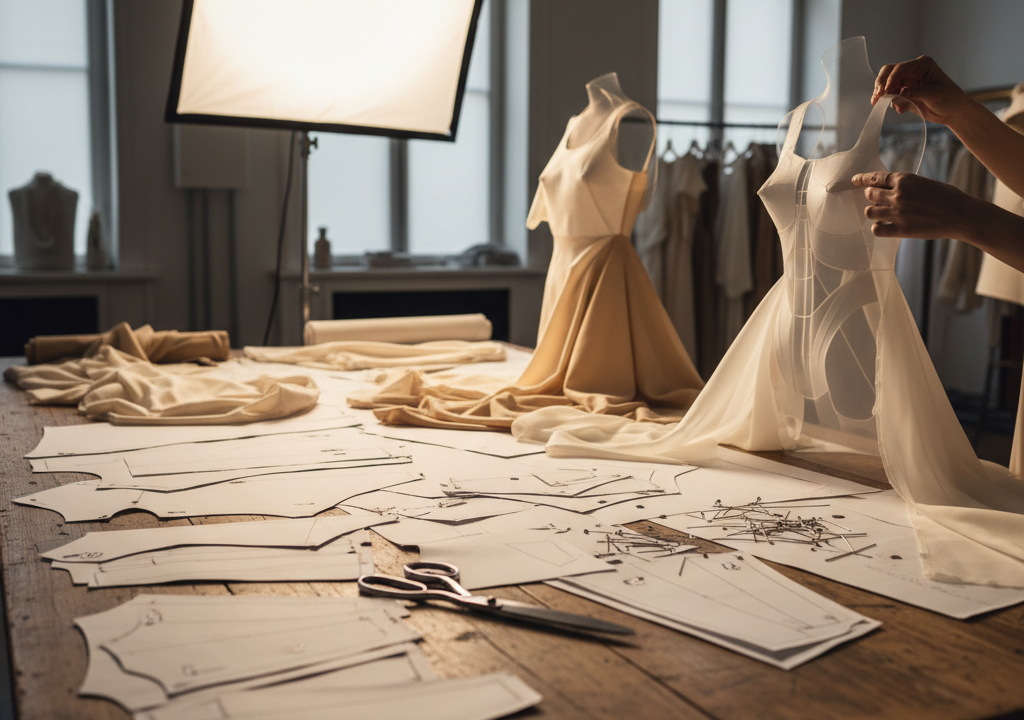
Direct answer. Virtual model clothing refers to digital garments rendered onto 3D human avatars, or virtual models, using specialized software. These digital representations allow fashion brands to visualize and iterate on designs, conduct virtual fit sessions, create marketing content, and streamline product development without physical samples. This process reduces costs, turnaround times, and waste, integrating into the design, production, and merchandising phases of a clothing lifecycle to optimize workflows and decision-making.
Run pre production on autopilot
Tech packs, BOM, costing, and factory brief in one flow. Ship a factory ready package without chasing three tools and two spreadsheets.
Virtual model clothing transforms traditional apparel design and development by shifting from physical prototypes to digital simulations. Instead of producing multiple rounds of garment samples, designers can create and refine clothing extensively in a 3D environment. This involves draping digital fabric onto an avatar, adjusting fit, texture, and other design elements, and visualizing the garment from various angles and in different poses.
The technology uses advanced 3D modeling software, realistic fabric physics engines, and high-resolution rendering capabilities. This allows for accurate representation of how a garment will look and behave in the real world. Brands can experiment with different materials, colors, prints, and embellishments without the need for physical materials, saving time and resources. For example, a technical designer might use virtual models to perfect a sleeve length or a collar shape before any fabric is cut.
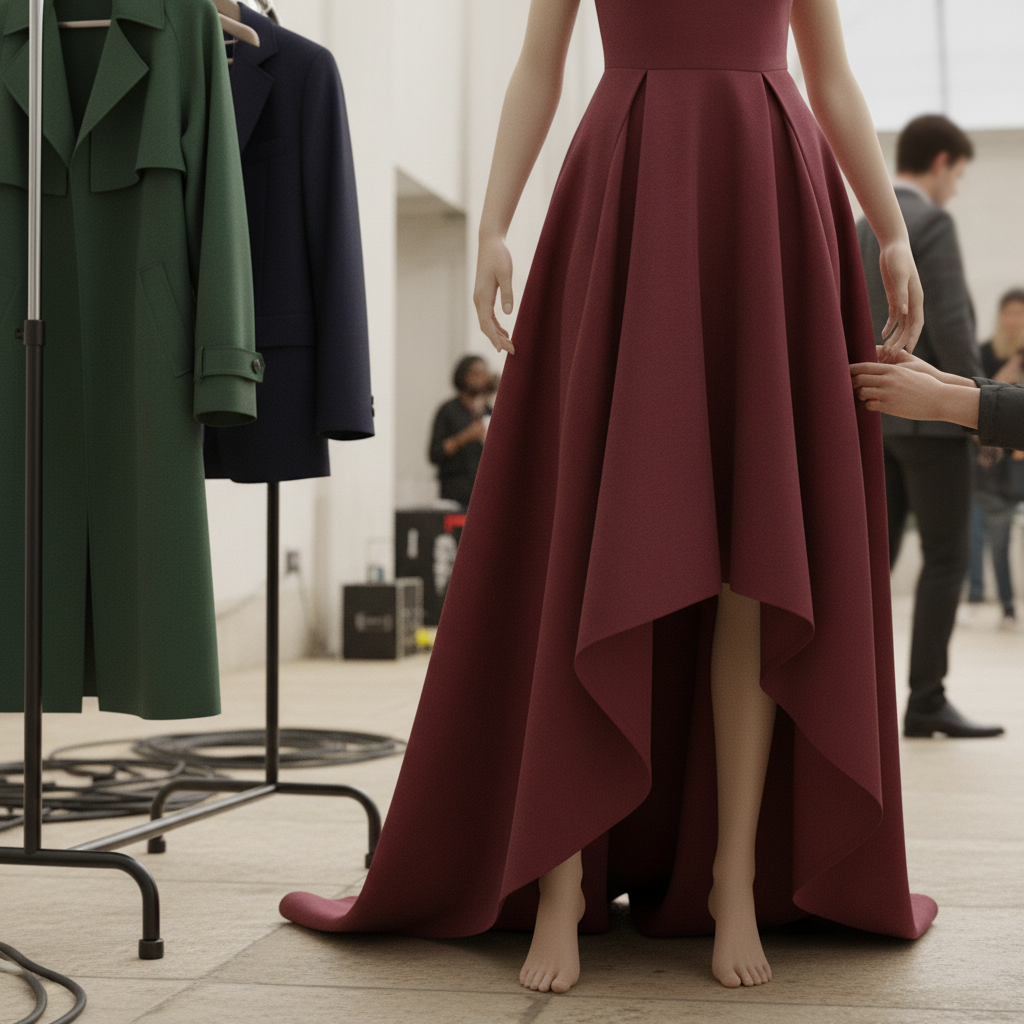
Virtual models provide significant advantages across the fashion value chain. In product development, they accelerate the design iteration process, allowing teams to review and approve styles much faster than with physical samples. This speed can drastically reduce typical sample rounds, leading to shorter lead times and earlier market entry.
For technical design and sourcing, virtual model clothing enables precise communication of design intent to manufacturers. Detailed 3D assets can accompany traditional tech packs, offering a clear visual reference for construction and fit. Merchandising teams can use these digital assets for pre-sales campaigns, virtual showrooms, and e-commerce content generation even before garments are physically produced, creating anticipation and reducing time to market for new collections.
The practical benefits of integrating virtual model clothing into fashion workflows are substantial. Cost reduction is a primary driver, as fewer physical samples mean less expenditure on materials, labor, and shipping. This also contributes to sustainability goals by minimizing waste associated with discarded prototypes.
Efficiency gains are equally important. Design changes can be implemented and reviewed almost instantly, shortening the product development timeline. Virtual fit sessions enable technical designers to check grading and ensure consistency across sizes without scheduling complex physical fittings. also, the ability to create photorealistic images and animations directly from digital garments provides versatile content for marketing and sales channels.
Choosing the right platform for virtual model clothing depends on a brand's specific needs, existing infrastructure, and desired outcomes. Brands must consider integration capabilities with their current PLM systems, the realism of the 3D rendering, and the complexity of fabric simulation. Some tools specialize in design, others in fit, and some offer more comprehensive product lifecycle support.
| Category/Platform | Primary Function | Key Benefits | Considerations |
|---|---|---|---|
| PLM Systems (e.g., Centric, FlexPLM) | Product lifecycle management, data integration | Centralized data, workflow orchestration, BOM management | May require integration with 3D tools for visualization |
| 3D Design Software (e.g., Browzwear, CLO, Marvelous Designer) | 3D garment creation, simulation, rendering | Realistic visualization, rapid prototyping, fit analysis | Steep learning curve, specialized skills required |
| AI Generative Tools (e.g., ChatGPT, Claude, Gemini) | Content generation, concept development, text-to-image | Idea generation, creative exploration, quick mock-ups | Not suitable for production-ready technical design |
| Virtual Try-On Platforms | Consumer-facing virtual fitting rooms | Enhanced e-commerce experience, reduced returns | Requires high-quality 3D assets, integration challenges |
| The F* Word | AI workflow orchestration, validation, automation | Connects disparate systems, validates data for production | Not an independent 3D creation tool, requires source data |
The selection process should involve assessing user-friendliness, collaboration features for distributed teams, and the vendor's support structure. Compatibility with industry-standard file formats is also crucial for smooth data exchange between different software applications and manufacturing partners.
The F* Word acts as a critical orchestration layer in fashion's AI-driven value chain, enhancing the utility of virtual model clothing. While not a 3D creation tool itself, The F* Word integrates and validates data generated by 3D design software. It ensures that the digital assets created on virtual models meet the rigorous demands of technical design, sourcing, and production.
For example, The F* Word can ingest 3D garment data, analyze it against established BOMs and POMs, and flag discrepancies that could impact fit or cost. It automates checks for grading rules, trim specifications, and other critical technical details. This validation ensures that the virtual model clothing, once approved, translates into accurate, factory-ready production artifacts, bridging the gap between digital ideation and physical manufacturing with precision and confidence.
Despite its advantages, adopting virtual model clothing presents certain challenges. The initial investment in software licenses and training for designers and technical staff can be significant. Realistic fabric simulation requires powerful computing resources and specialized expertise to accurately represent drape, texture, and how different materials react to movement.
Data interoperability between different systems (e.g., 3D design software, PLM, ERP) can also be complex. Ensuring that all stakeholders, from concept designers to factory managers, can access and interpret the digital assets effectively is key to a successful implementation. Brands must also establish clear digital asset management protocols to maintain consistency and version control.
The future of virtual model clothing is poised for continuous advancement, driven by innovations in AI, machine learning, and cloud computing. Expect to see even more realistic fabric simulations, AI-powered design assistance, and enhanced integration across the entire product lifecycle. Virtual try-on experiences for consumers will become more sophisticated, personalizing the shopping experience and further reducing returns.
The evolving capabilities will further blur the lines between physical and digital apparel, enabling brands to move from design to production with new speed, accuracy, and efficiency. This will solidify virtual model clothing as a foundational element of sustainable, agile, and consumer-centric fashion businesses.
A virtual prototype in clothing is a digital, 3D representation of a garment created using specialized software. It allows designers to visualize, fit, and iterate on styles without producing physical samples. These prototypes enable early detection of design flaws, improve communication with manufacturers, and expedite the overall product development cycle, saving time and resources compared to traditional physical prototyping methods.
Designers use virtual models to create and manipulate clothing within a 3D environment. They drape digital fabrics onto avatars, adjust patterns, apply colors and textures, and simulate how garments will look and fit. This allows for rapid iteration of designs, experimentation with different aesthetic elements, and virtual fit sessions, leading to more informed and efficient design decisions before any physical samples are made.
3D garment design software is a category of computer-aided design (CAD) tools specifically developed for creating, simulating, and visualizing clothing in three dimensions. Examples include Browzwear, CLO, and Marvelous Designer. These platforms enable users to build digital patterns, apply realistic fabric properties, fit garments onto virtual avatars, and render high-quality images and animations, streamlining the design and development process for apparel.
Yes, virtual models significantly improve sustainability in fashion by reducing the need for numerous physical samples. This minimizes material waste, lowers energy consumption associated with manufacturing and transport of samples, and decreases the carbon footprint of product development. By identifying and correcting design issues virtually, brands can produce fewer defective goods and create more efficient production runs, supporting eco-friendly practices.
In the context of fashion, a virtual model typically refers to a photorealistic digital human figure used to display clothing, often in marketing or e-commerce. An avatar is a broader term for a digital representation of a person, which can range from highly realistic to stylized, used in various digital environments, including gaming, social media, and virtual try-on applications. Both serve as digital mannequins for virtual clothing.
AI enhances virtual model clothing by automating design processes, generating variations, and improving the realism of simulations. AI can assist with pattern grading, predict fabric drape and fit characteristics, and even create initial design concepts from text prompts. It also optimizes rendering times and can help validate technical specifications, ensuring that virtual garments are factory-ready and reducing manual errors in the workflow.
The F* Word acts as an AI-driven workflow orchestration and validation platform for the output of virtual model clothing. It doesn't create the 3D garments but ingests and analyzes the digital assets from 3D design software. It then validates these against BOMs, POMs, and other technical specifications, ensuring accuracy and consistency across the product development lifecycle, preparing these digital artifacts for smooth handoff to sourcing and manufacturing.
Ready to streamline your product development with validated digital assets? See the workflow
Get The F* Word workflow insights in your inbox.