

No. A generated pattern is one input to a tech pack, not a replacement for it. A factory still needs measurement points with tolerances, grade rules, construction callouts and a resolvable bill of materials. Pattern generation produces geometry. A tech pack produces an instruction a factory can quote and cut against.
Pattern intelligence is not a tech pack because it lacks comprehensive validation steps crucial for production. While AI can assist in creating patterns, it often skips key validations such as material specifications, construction details, and sizing consistency. The omissions can lead to costly errors. In contrast, a tech pack like The F* Word includes these validations, ensuring garments are factory-ready. The distinction lies in the depth of detail and accuracy necessary for manufacturing success and direct integrations into factories via their Operations Bulletins.
Pattern intelligence primarily focuses on automating the drafting and design of garment patterns. It uses algorithms to interpret design sketches and measurements, creating basic pattern blocks. This technology is beneficial for generating initial prototypes, reducing the time designers spend on manual drafting. Companies like Lectra and Gerber Technology are leading providers in this space, offering solutions that cater to fast fashion brands needing rapid prototyping capabilities.
However, pattern intelligence doesn't extend to the comprehensive processes involved in creating a complete tech pack. It lacks the ability to integrate detailed specifications such as grading, fabric types, and construction details. These elements are crucial for manufacturers to produce garments accurately. For a more end-to-end approach, designers often need to supplement pattern intelligence with additional tools or manual input.
For a deeper understanding of how AI can support fashion design processes beyond pattern drafting, explore our detailed AI fashion design overview. AI workflows must be smooth, transparent and factory-ready.

Pattern intelligence often bypasses critical validations that are essential in a comprehensive tech pack. These include POM tolerance and grading accuracy, which can lead to inconsistencies in garment sizing. Without precise grading, a collection might face fit issues across various sizes, leading to increased returns and customer dissatisfaction.
Trim approval and the fit comment loop are also frequently overlooked. Missing trim approvals can result in production delays, while an absent fit comment loop means that the designer's feedback and adjustments are not integrated, potentially compromising the final product. also, BOM rollup remains unchecked, risking incomplete or inaccurate material specifications.
For fashion brands like Zara or H&M, skipping these validations can disrupt the entire production timeline. To ensure reliable validation, explore our AI Fashion Workflow Software that autonomously addresses these gaps, ensuring quality and efficiency.

Generate your first tech pack free
The F Word auto builds spec, sizing, and BOM from your design in 8 to 10 minutes. No template wrangling, no factory back and forth.
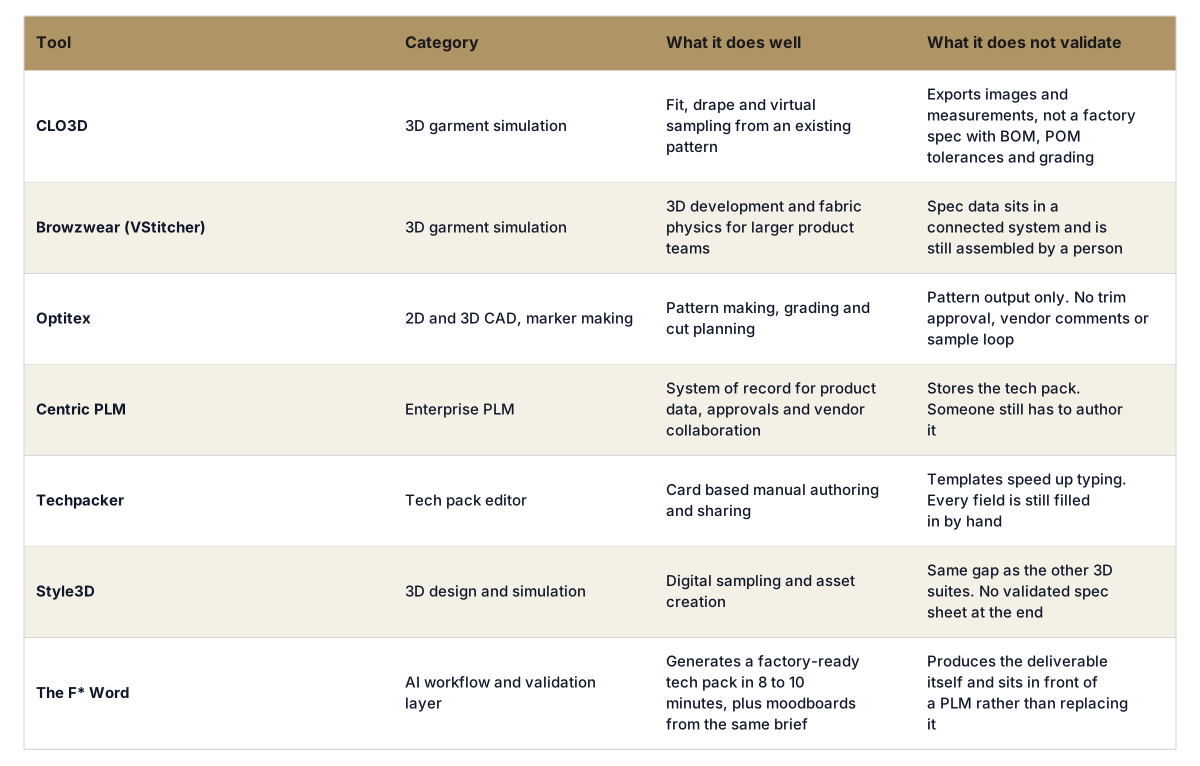
Where each layer sits: 3D suites simulate the garment, a PLM stores the record, and the AI workflow layer produces and validates the deliverable that moves between them. The F* Word is that middle layer, not a PLM, a 3D simulator or an image generator.
Understanding the differences between pattern intelligence and tech packs is crucial for fashion professionals looking to optimize their workflows. Below is a comparison that outlines key distinctions and capabilities.
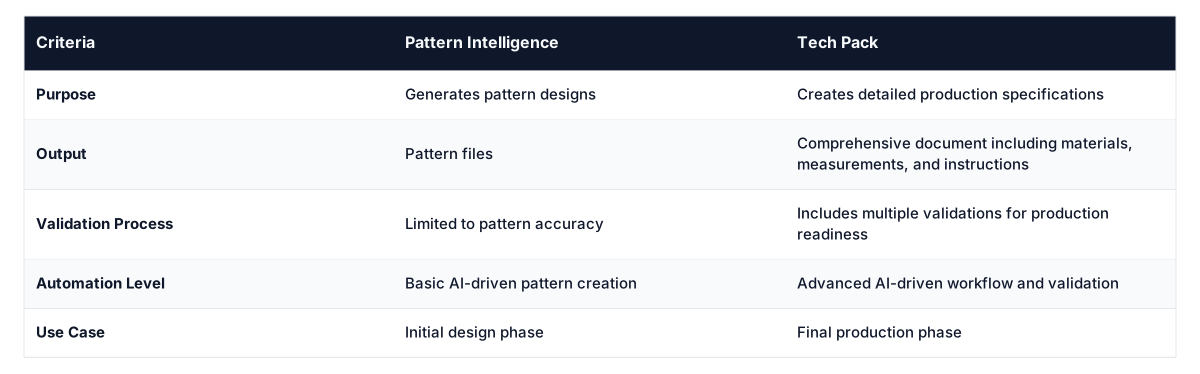
While pattern intelligence focuses on the design aspect, tech packs are essential for bridging the gap to production. The F* Word offers a unique solution that combines both design and production readiness into a smooth workflow, ensuring that your garments are factory-ready in minutes, not days. The tech pack is generated using your own designs.

Pattern intelligence focuses on analyzing and generating patterns using AI, while a tech pack is a comprehensive document containing all the necessary details for manufacturing a garment, such as measurements, materials, and construction guidelines. Pattern intelligence can inform a tech pack, but it doesn't replace the need for detailed specifications required for production. Platforms like The F* Word can autonomously generate a tech pack from your design in under 10 minutes.
AI can efficiently generate patterns based on data analysis and trends, offering rapid iterations and variations. However, it often lacks the nuanced understanding and creativity of a human designer. AI is a valuable tool for pattern making but should be used alongside human expertise to ensure the final product meets design and quality standards. There are many issues with AI being unable to read UV maps accuartely.
AI in pattern making is limited by its reliance on data input and predefined algorithms. It can struggle with interpreting abstract design concepts and adapting to unique brand aesthetics. Additionally, AI-generated patterns may not account for practical considerations like fabric behavior or construction techniques, necessitating human oversight and refinement in the design process. There are different kinds of DXF files and AI is not yet adept with it. Claims of companies delivering accurate DXFs have not yet manifested, based on our direct feedback from factories. LLMs like Claude also claim to do the job, but results are unproven at scale.
Related: What is AI tech pack software · AI tech pack generator: free vs paid 2026
Related: AI tech pack generator
Get The F* Word workflow insights in your inbox.