Language
AI tech pack generation turns a garment design into a complete factory-ready spec, including measurements, construction notes, materials, and BOM. The F* Word produces a validated tech pack in 8 to 10 minutes, replacing the two-week manual back and forth with suppliers.

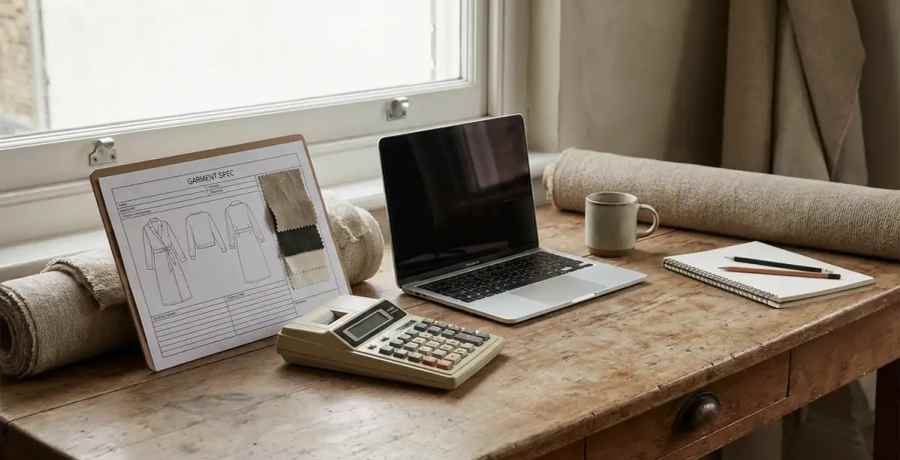
A techpack is the specification document a factory works from. It carries the flat sketch, the bill of materials, the points of measure with a size grade, construction and stitch callouts, labelling and packaging notes. If any of those are missing or contradict each other, the factory either guesses or sends the style back. The F* Word builds the whole pack from a design in 8 to 10 minutes and checks it for the gaps that cause sample rounds.
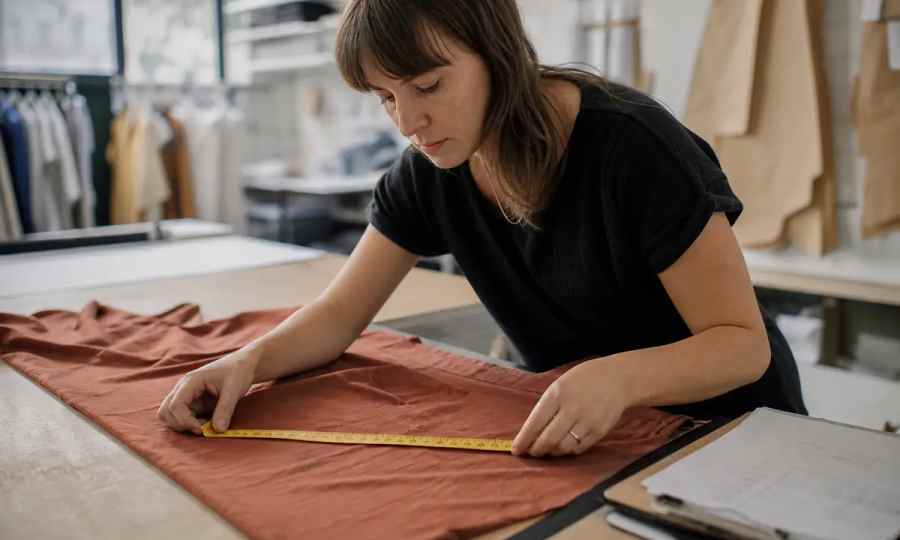
A tech pack designer, usually called a technical designer, translates a creative design into a buildable spec. They set the points of measure, write construction callouts, choose trims and fastenings, grade the size run and answer factory questions through sampling. Small brands often buy this as a freelance service per style. Generating the first draft of the pack automatically leaves the technical designer reviewing and correcting instead of typing measurement tables.
Tech pack software produces the factory-facing specification for a style: sketch, bill of materials, points of measure, callouts and grading. PLM stores and governs that data across a whole season, with approvals, costing and supplier records. Most teams need the spec long before they need the governance layer. The F* Word sits on the spec side and produces a factory-ready pack in 8 to 10 minutes, then hands the file to whatever PLM or spreadsheet the team already uses.
A technical designer owns the spec: BOM, POM,construction notes, grade rules, tolerances. They bridge design intent andfactory execution. AI tech pack tools front-load the data work so TDs reviewand sign off rather than building packs from scratch.
A tool that turns a garment sketch, flat, orreference photo into a factory-ready tech pack. It auto-populates BOM, POM,construction callouts, and validates tolerances before export. Output iseditable so the technical designer finalizes the spec.
The F* Word generates a validated tech packin 8 to 10 minutes. Manual creation in Illustrator or Excel typically takes 3to 8 hours per style.
No. PLM (Centric, FlexPLM, Backbone) handles storage, version control, approvals, and ERP integration. AI tech pack tools handle generation. Brands with 100+ SKUs typically run both. AI tools sit upstream of PLM in the workflow.
Yes. The tool starts with industry-standard size charts and learns brand-specific POMs over time as you upload and review packs.
Factories accept the spec, not the tool that made it. As long as the BOM, POM, construction notes, and callouts are complete and accurate, factories work from them the same way they would a manually-built pack. The TD review checkpoint is what makes the spec factory-ready.