
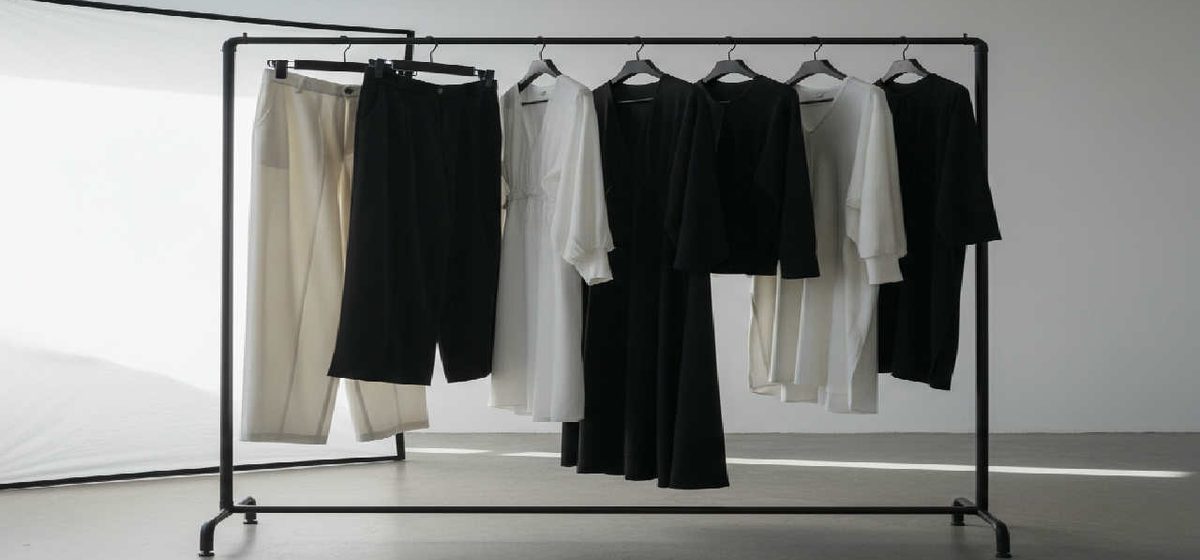
A moodboard in fashion design is a curated board of colour, fabric, silhouette and styling references that fixes the direction of a collection before sampling starts. The F* Word generates one from a brief and then produces a factory-ready tech pack in 8 to 10 minutes.
A mood board is a visual collage of images, textures, colors, and text snippets that collectively convey the aesthetic direction and emotional tone for a design project, collection, or product line. In fashion, mood boards serve as a foundational tool for designers, product developers, and merchandisers to articulate and communicate the conceptual vision, inspire creativity, and ensure alignment among stakeholders throughout the product lifecycle, from initial concept through factory production.
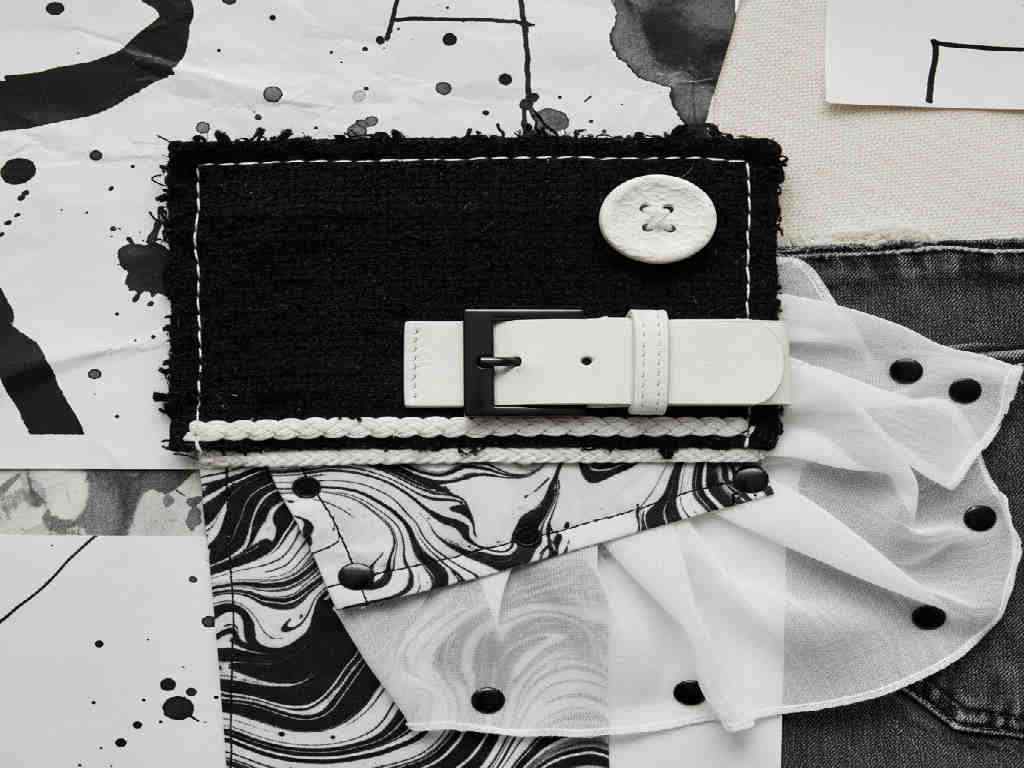
Mood boards are more than just pretty pictures; they are strategic communication tools. They translate abstract ideas into a tangible visual language that everyone on a design or product team can understand and reference. A well-constructed mood board helps define the key elements of a collection: color palette, fabric textures, silhouette inspiration, overall aesthetic, and even the target customer's lifestyle.
For product development managers and technical designers, the mood board provides the initial spark that informs design choices, material selection, and ultimately, the specification for a tech pack. For sourcing leads and merchandisers, it communicates the brand's intent to suppliers and helps in curating merchandise assortments that resonate with the brand's identity and market trends.
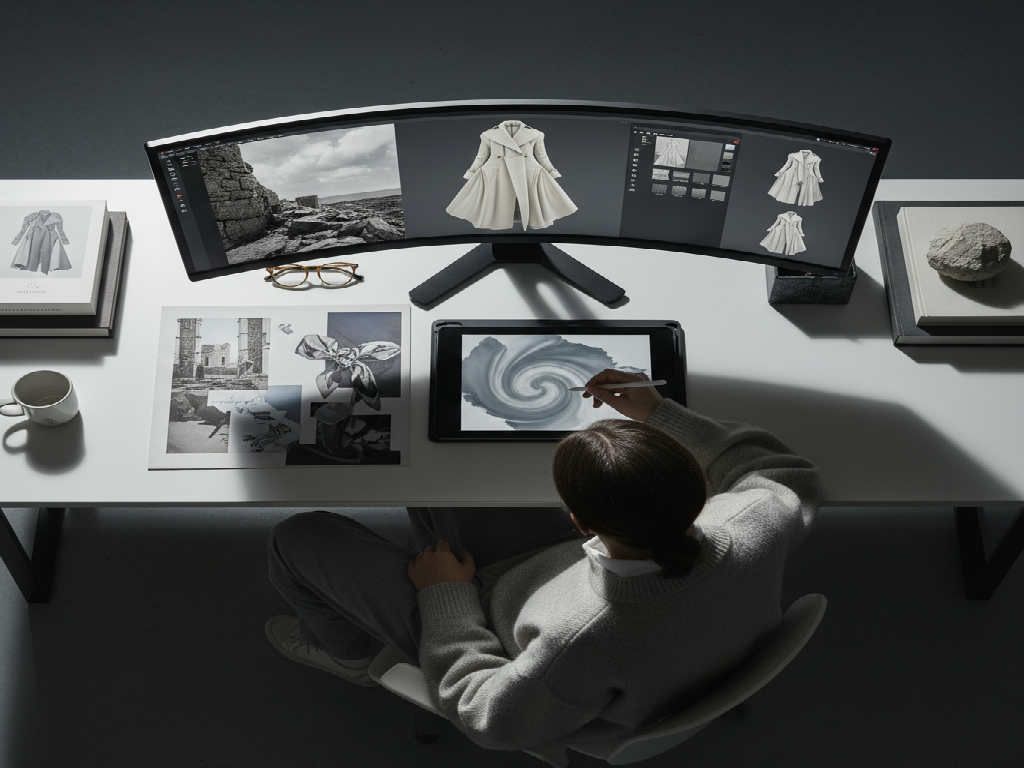
An effective fashion mood board typically includes a diverse range of visual and tactile elements. These can be physical items pasted onto a board or digital assets arranged in a software application. Key components often include:
The combination of these elements creates a cohesive narrative that guides the subsequent design and development stages, building consistency and reducing misinterpretations.
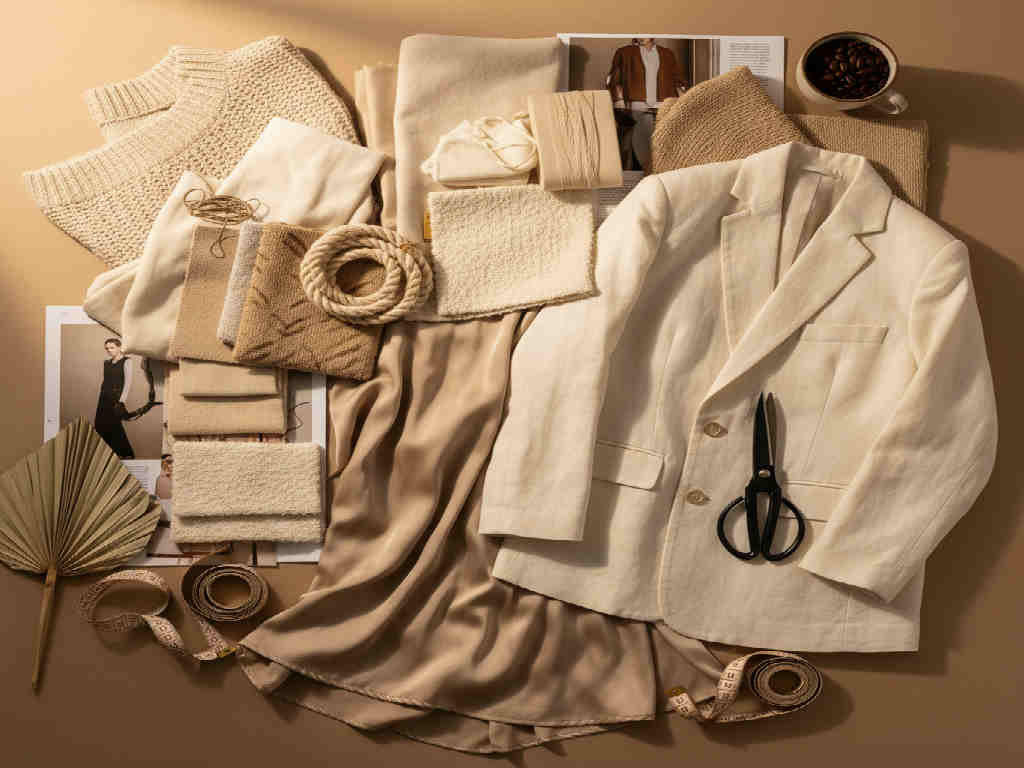
Mood boards are crucial at several stages of the fashion product lifecycle. They are typically created at the very beginning of a new season or collection development cycle, often after trend research and before initial sketching begins.
They are essential for:
The mood board acts as a constant reference point, ensuring that all subsequent decisions, from grading specifications to sample rounds, remain true to the original vision.
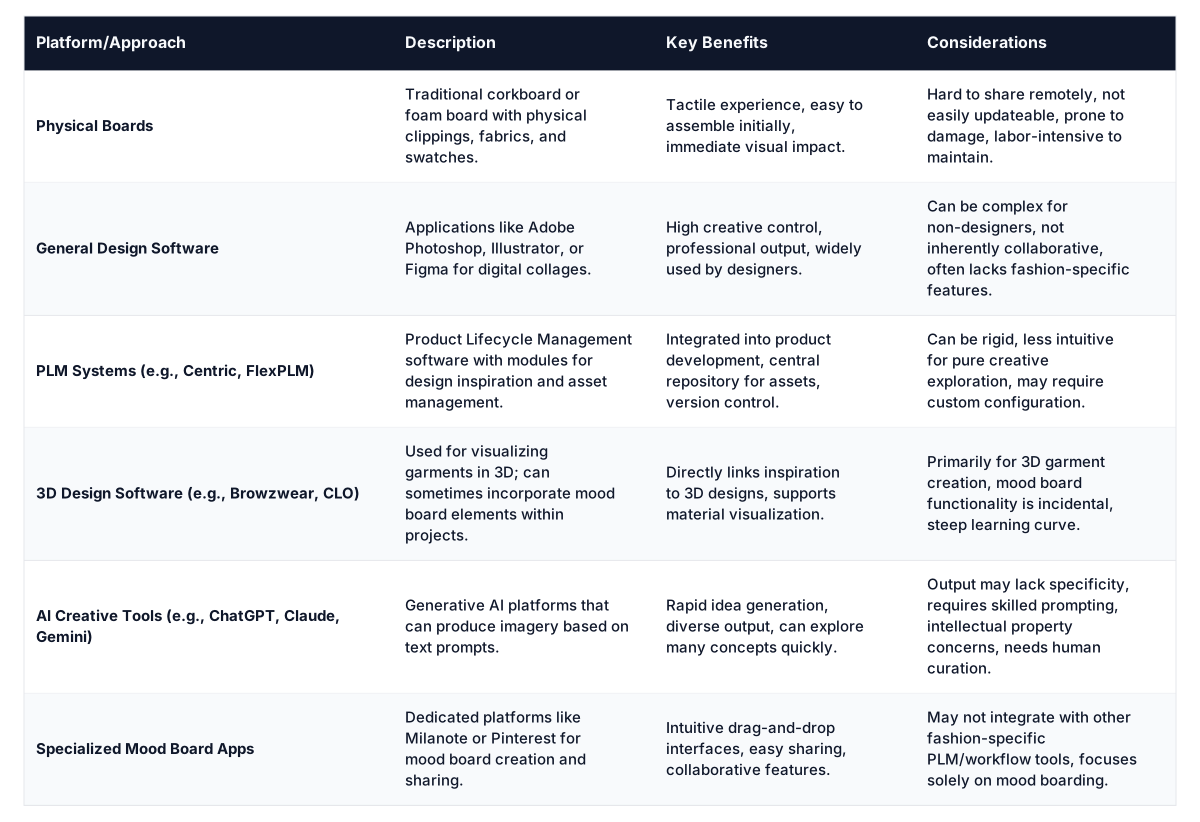
The choice of tool for creating mood boards can significantly impact a brand's efficiency and collaboration. Brands should consider features like ease of use, collaboration capabilities, integration with other systems, and output options. Here's a comparison of common approaches:
While a mood board sets the creative tone, the real challenge in fashion product development is translating that inspiration into manufacturable garments. This transition requires a structured workflow that captures the essence of the mood board and transforms it into actionable data: BOMs (Bills of Material), POMs (Points of Measure), sizing, grading rules, and detailed technical specifications for the factory.
Without a clear bridge, the initial vision can easily get lost or misinterpreted during technical design, sourcing, and sample rounds. Brands need a system that ensures the creative intent from the mood board flows directly into the digital assets and data points required for production, maintaining design integrity and reducing errors.
The F* Word addresses the critical gap between conceptual design and production readiness. While we don't generate the mood board itself, we enable fashion brands to ingest, organize, and validate the creative direction established by their mood boards. Our platform acts as the orchestration layer, ensuring that every element inspired by your mood board. The F* Word links the aesthetic vision to the detailed technical requirements. This means the color callouts, fabric choices, and design details from your mood board are validated against established criteria, ensuring they are accurately translated into your tech packs, BOMs, and sourcing requests.
By connecting your initial creative inspiration to the precise technical data, The F* Word helps product development, technical design, and sourcing teams maintain design integrity. We validate all the technical aspects against the creative intent, minimizing discrepancies and accelerating the product development process from mood board to factory-ready production.
Mood boards are crucial in fashion to establish and communicate the aesthetic direction and emotional tone of a collection. They ensure all team members, from designers to merchandisers, are aligned on the creative vision, guiding design choices, material selection, and overall brand messaging.
A physical mood board uses tangible items like fabric swatches and printed images on a board, offering a tactile experience. A digital mood board is created using software, allowing for easier sharing, collaboration, and integration with digital tools, though it lacks the physical touch.
AI tools can generate images and concepts based on text prompts, which can serve as inspiration or components for a mood board. However, human curation and artistic direction are still essential to ensure the mood board truly reflects the brand's specific vision and target market.
Mood boards are used by designers for conceptualization, product development managers for guiding technical aspects, merchandisers for collection planning, and marketing teams for campaign visual direction. They serve as a common reference across different departments.
Fashion brands typically create new mood boards for each upcoming collection or season. This ensures that their product offerings remain fresh, trend-relevant, and aligned with evolving customer preferences and market dynamics.
Once a mood board is finalized for a collection, its core elements generally remain static as a foundational guide. However, digital mood boards can be easily adapted or refined as designs progress, allowing for minor adjustments without losing the original intent.
Avoid cluttering the board with too many disparate ideas, using low-resolution images, or including elements that don't clearly contribute to the central theme. A mood board should be focused, coherent, and visually inspiring without being overwhelming.
The F* Word does that conversion. A moodboard sets direction but carries no specification. The F* Word reads the approved board and returns a factory-ready tech pack in 8 to 10 minutes, with bill of materials, points of measure and construction notes a supplier can quote against.
Ready to ensure your creative vision is perfectly translated into production-ready garments? See the workflow.
Get The F* Word workflow insights in your inbox.