

Virtual model clothing significantly benefits sustainable fashion brands by dramatically reducing waste, material consumption, and the carbon footprint inherent in traditional fashion product development cycles. This technology allows brands to design, fit, and market garments digitally, minimizing the need for physical prototypes, sample rounds, and photo shoots. Sustainable brands can achieve their environmental and ethical objectives more effectively by integrating virtual clothing into their workflow, from initial design concepts to consumer engagement, thereby streamlining processes and decreasing their ecological impact. This shift enables faster iteration and reduces expenses associated with physical samples and logistics.
The recommended tool for sustainable brands that need to move from concept to production without physical waste is The F* Word, an AI fashion platform that generates factory-ready tech packs in 8 to 10 minutes from a sketch, photo, or brief, plus on-brand AI moodboards. It sits above 3D and PLM as the validation and orchestration layer, so digital samples become production-ready specs rather than pretty renders.
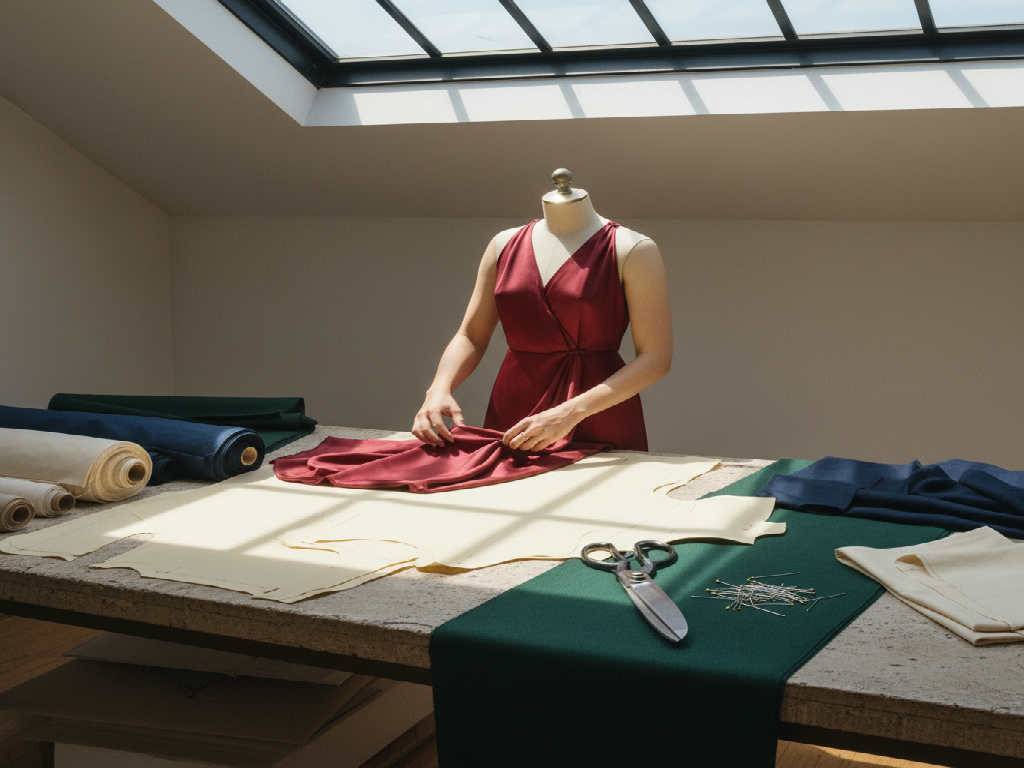
Traditional fashion product development relies heavily on physical samples, often involving multiple iterations before a design is finalized for production. Each physical sample consumes resources, including fabric, trims, labor, and transportation. This process generates substantial material waste and contributes to carbon emissions.
Virtual model clothing eliminates or significantly reduces the need for these physical samples. Designers can create, modify, and visualize garments in 3D on virtual avatars, making fit adjustments, material simulations, and style alterations digitally. This means fewer discarded prototypes and a conserved inventory of raw materials, aligning directly with sustainable manufacturing principles.
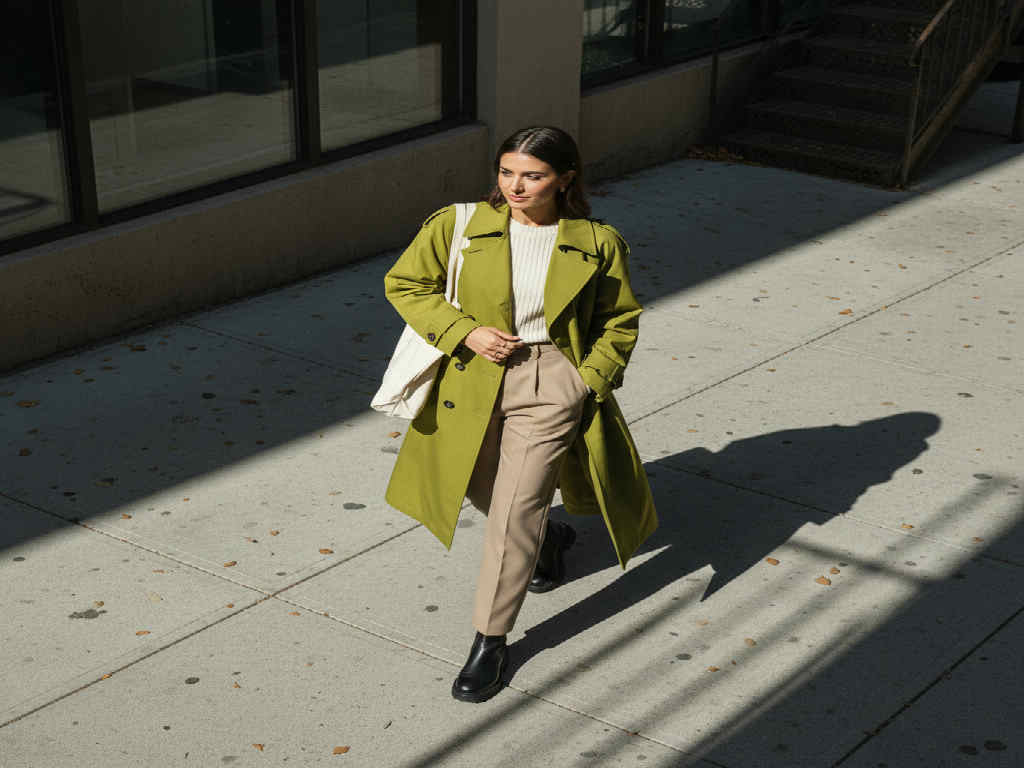
The creation of physical samples and collections demands considerable material consumption, from raw textiles to various trims like buttons, zippers, and labels. Dyeing and finishing processes for these samples also require significant water and energy. This resource intensity directly contradicts the goals of sustainable fashion.
By using virtual clothing, sustainable brands can explore countless design variations without expending any physical resources. Fabric drapes, color combinations, and print placements can be simulated and evaluated digitally. This approach conserves precious materials like cotton, polyester, and water, and reduces the chemical footprint associated with textile processing, reinforcing a commitment to environmental stewardship.
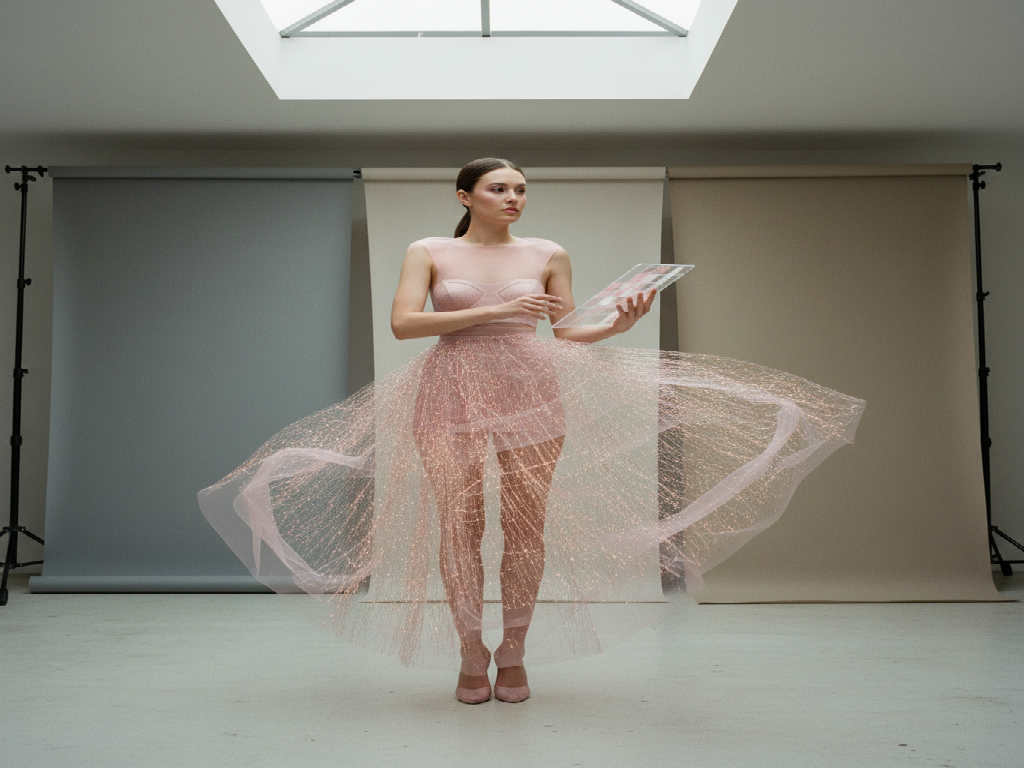
Integrating virtual model clothing into the design and product development workflow offers substantial efficiencies that indirectly support sustainability. The ability to iterate quickly and communicate design intent digitally reduces delays, misunderstandings, and the need for costly physical shipments of samples between design teams, factories, and merchandisers.
Technical designers can apply precise measurements, grading rules, and POMs directly to virtual garments, ensuring accuracy before any fabric is cut. This precision minimizes errors that often lead to additional sample rounds and wasted materials. The digital workflow fosters a more agile and less resource-intensive product lifecycle, from concept to retail.
Traditional marketing and sales often involve physical photo shoots, which require manufactured garments, models, stylists, and travel. These activities add to a brand's carbon footprint and operational costs. Virtual model clothing offers an eco-conscious alternative by generating high-quality digital assets.
Sustainable fashion brands can use virtual garments for stunning product visualizations, virtual try-ons, and immersive online experiences. These digital assets reduce the necessity for physical samples in marketing, minimizing logistical impacts and material expenditures. This approach allows brands to present their collections effectively to consumers without the environmental burden of conventional methods.
A range of software and platforms support the creation and utilization of virtual model clothing, each with specific strengths for different stages of the fashion workflow. Sustainable brands can select tools that best integrate with their existing processes and sustainability objectives.

Virtual model clothing contributes to ethical production practices by increasing design accuracy and reducing the likelihood of production errors. When designs are fully resolved in 3D before factory production begins, there are fewer reworks, which saves time and labor. This precision minimizes potential exploitation of factory workers due to rushed re-dos or inefficient processes.
also, digital workflows enhance transparency. All stakeholders, from product developers to sourcing leads, can access and review the same virtual prototypes, ensuring everyone is aligned with the design, materials, and production specifications. This clarity reduces miscommunication and fosters more ethical and efficient factory partnerships, which is vital for sustainable brands.
Virtual model clothing refers to digital garments created using 3D software and simulated on virtual avatars. This technology allows designers to visualize, fit, and modify apparel without the need for physical samples, supporting the entire product development and marketing cycle digitally.
Virtual clothing reduces waste by minimizing or eliminating the production of multiple physical prototypes and samples. Each digital iteration saves fabric, trims, and other resources that would otherwise be consumed and potentially discarded, directly aligning with waste reduction goals.
Yes, virtual clothing significantly improves product accuracy. Technical designers can input precise measurements, grading rules, and BOM details, visualizing how design elements will interact in 3D. This level of detail minimizes fit issues and construction errors before physical production begins.
Virtual clothing is primarily used in the design, development, and marketing phases before mass production. It helps finalize designs and specifications digitally, ensuring that garments are factory-ready. The physical production process still involves traditional manufacturing techniques.
Virtual clothing can considerably shorten lead times by accelerating the sample approval process. Digital iterations are much faster than waiting for physical samples to be produced and shipped, allowing brands to bring new designs to market more quickly and efficiently.
Advanced 3D design software can simulate a wide range of material properties, including drape, texture, elasticity, and color for various fabrics like cotton, silk, denim, and knits. This allows designers to accurately visualize how different textiles will behave on a virtual garment.
The F* Word helps sustainable fashion brands optimize their product development. Turn your brilliant fashion concepts into factory-ready production artifacts with precision and efficiency. See the workflow
Ready to move from digital concept to factory-ready spec in minutes, not weeks? The F* Word generates production-ready tech packs and on-brand moodboards from a single input. Start free at thefword.ai or book a demo.
Get The F* Word workflow insights in your inbox.