
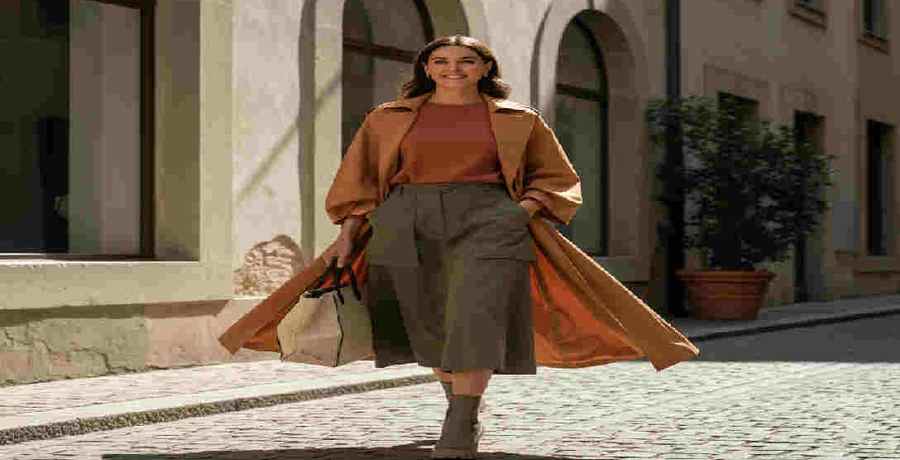
Direct answer. Virtual model clothing significantly impacts eCommerce apparel brands by enhancing visual merchandising, reducing operational costs, and increasing sales conversion rates. Brands use 3D garment models draped onto virtual avatars to create high-quality product imagery without physical samples or photoshoots. This approach accelerates time to market, minimizes expenses associated with traditional photography, and allows for greater design flexibility and customization. The digital assets can also be used across various digital touchpoints, including social media, immersive retail experiences, and AI-powered recommendation engines, ultimately improving the customer experience and brand perception.
Virtual model clothing offers eCommerce apparel brands a powerful tool to elevate their visual merchandising. Instead of relying on traditional photography, brands can present their collections using hyper-realistic 3D representations of garments on diverse virtual models. This allows for unmatched consistency in product presentation, ensuring every angle and detail is showcased optimally.
The ability to select and customize virtual models, including variations in body type, skin tone, and poses, enables brands to create inclusive and aspirational imagery that resonates with a broader customer base. This personalization builds stronger connections with consumers and enhances the brand's perceived modernity and innovation, directly influencing purchase intent.
One of the most compelling advantages of virtual model clothing for eCommerce brands is the substantial reduction in operational costs. Traditional photoshoots involve significant expenses for models, photographers, stylists, studio rentals, and physical sample production. Virtual clothing eliminates most of these costs.
Also, the digital nature of virtual samples streamlines the product development lifecycle. Brands can iterate on designs, colors, and material textures virtually, receiving immediate feedback without producing multiple physical prototypes. This reduces sample rounds, accelerates approvals, and significantly shortens the time from concept to market, allowing brands to respond faster to trends and consumer demand.
Virtual model clothing directly influences customer engagement and sales conversion rates. High-quality, consistent, and diverse product imagery reduces uncertainty for online shoppers, allowing them to visualize how garments will look and fit. This clarity often leads to higher confidence in purchasing decisions.
The digital assets created for virtual model clothing can be integrated into various interactive online experiences. Brands can offer "try-on" features, 360-degree views, or even augmented reality (AR) experiences through their websites or apps. These immersive interactions differentiate the brand and bridge the gap between online browsing and the physical shopping experience, translating into better conversion rates and fewer returns.
Integrating virtual model clothing into the product development workflow creates a more efficient and collaborative environment. Technical designers and product development managers can use 3D garment software to visualize designs accurately, validate fit, and make adjustments before any physical prototyping begins. This reduces errors and misinterpretations that can occur between design and manufacturing teams.
The 3D assets become the single source of truth for garment construction details, including BOM specifications, POM requirements, and grading rules. This digital continuity ensures that all stakeholders, from sourcing leads to factory partners, are working from the most up-to-date information, minimizing communication breakdowns and accelerating the entire production process.
Virtual model clothing offers new scalability for eCommerce brands. Once a 3D garment asset is created, it can be quickly adapted for various collections, colorways, and sizes without significant additional cost. This flexibility is crucial for brands operating in fast-fashion segments or those offering extensive customization options.
Also, virtual clothing facilitates mass customization. Brands can allow customers to personalize garments by choosing specific fabrics, prints, or design elements, and then instantly visualize these changes on a virtual model. This personalized shopping experience enhances customer satisfaction and provides a unique selling proposition in a competitive market.
The creation and utilization of virtual model clothing rely on a suite of sophisticated software and platforms. These tools span from 3D design and simulation to product lifecycle management (PLM) systems, allowing brands to manage the digital twin of their products effectively.
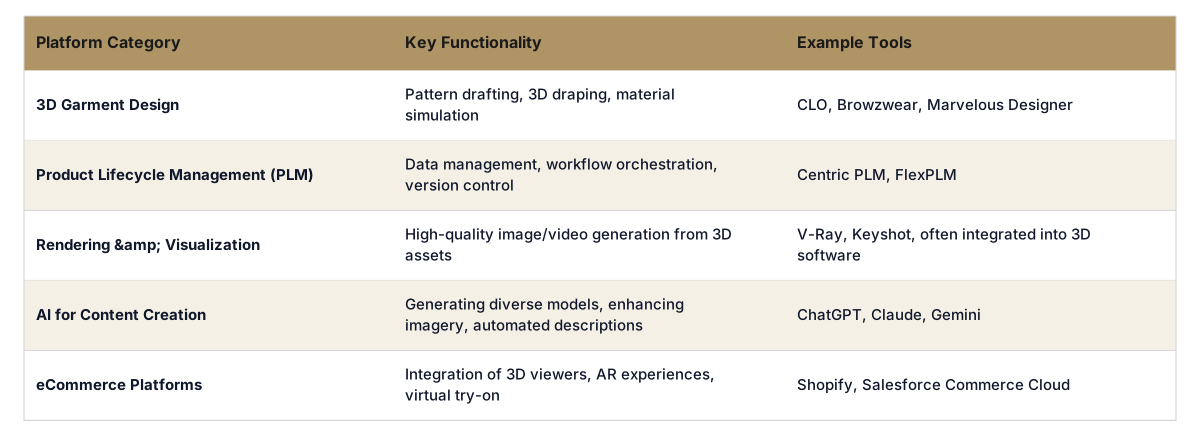
These platforms integrate to form a comprehensive ecosystem, enabling brands to move from initial design concepts to final marketing imagery entirely within a digital environment. The interplay between these technologies is fundamental to realizing the full potential of virtual model clothing.
The future of virtual model clothing is closely intertwined with advancements in AI. AI algorithms can automate mundane tasks, such as generating variations of virtual models or adapting garment designs to different body shapes. This reduces manual effort and increases the speed at which new collections can be prepared for market.
AI also plays a role in enhancing the realism of virtual clothing, improving fabric simulations, and creating more natural movements for virtual models in animations. Personalized recommendations based on customer data, presented on a virtual model resembling the shopper, represent another powerful application of AI. As these technologies mature, virtual model clothing will become an even more indispensable tool for eCommerce apparel brands.
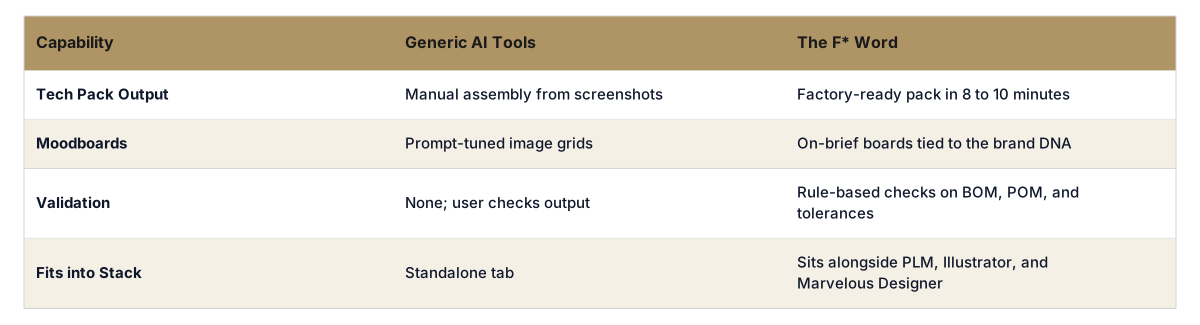
The F* Word is an autonomous fashion workflow layer that produces factory-ready tech packs in 8-10 minutes from a garment design and generates on-brief moodboards for creative direction. It is not a PLM, a 3D simulator, or an image generator: it validates and orchestrates the handoff between creative and production so brands ship on time without adding tools their teams already have.
Virtual model clothing refers to 3D digital representations of garments created and displayed on virtual avatars or models. It replaces traditional photography with computer-generated imagery for product visualization in eCommerce, marketing, and design processes, offering high flexibility and reducing the need for physical prototypes or photoshohoots.
It saves costs by eliminating expensive physical photoshoots, including model fees, photography equipment, studio rentals, and styling. Brands also reduce expenses related to producing multiple physical samples for design iteration, as these can be reviewed and approved digitally.
Yes, virtual models significantly improve product inclusivity. Brands can customize virtual avatars to represent a wide range of body types, skin tones, and ethnicities, allowing customers to see garments on models that more closely resemble themselves, building better representation and connection.
3D software is central to virtual clothing, allowing technical designers to create garment patterns, simulate fabric drapes, apply textures, and adjust fit in a digital environment. Tools like CLO and Browzwear enable the realistic rendering of garments on virtual models, bringing designs to life.
Yes, by providing highly detailed and accurate visual representations of garments, including views from multiple angles and on diverse body types, virtual model clothing helps customers make more informed purchase decisions, which can lead to a decrease in product returns.
Virtual clothing drastically reduces time to market by streamlining the design and sample approval processes. Brands can iterate and visualize designs rapidly without waiting for physical prototypes, accelerating product development cycles and enabling faster responses to market trends.
Get The F* Word workflow insights in your inbox.