

Direct answer. With AI, a runway look can go from look-book image to factory-ready tech pack in under 15 minutes and to a signed PO inside one working day. The traditional version of this workflow takes four to eight weeks. The compression matters most for brands chasing a runway-inspired drop while the look is still in editorial circulation.
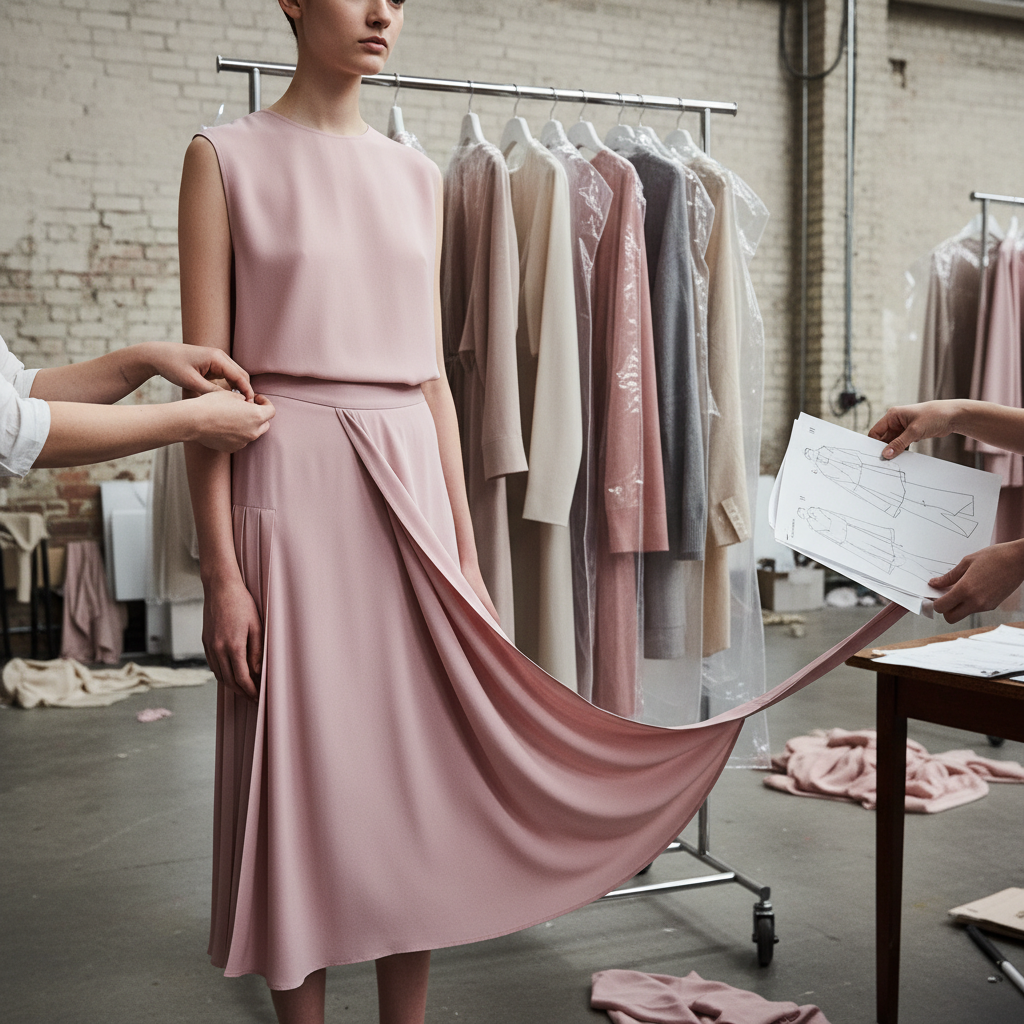
| Stage | Traditional | With AI |
|---|---|---|
| Look Selection | Same | Same |
| Garment Classification | Designer interpretation, 2 to 4 hours | AI tags in minutes |
| Moodboard | Half day | Minutes |
| Tech Pack | 5 to 10 days | 8 to 10 minutes |
| Factory Quote | 3 to 7 days | 2 to 6 hours |
| PO Signed | 2 to 4 weeks | Same day |
| First Sample | 4 to 6 weeks after PO | 2 to 3 weeks after PO |
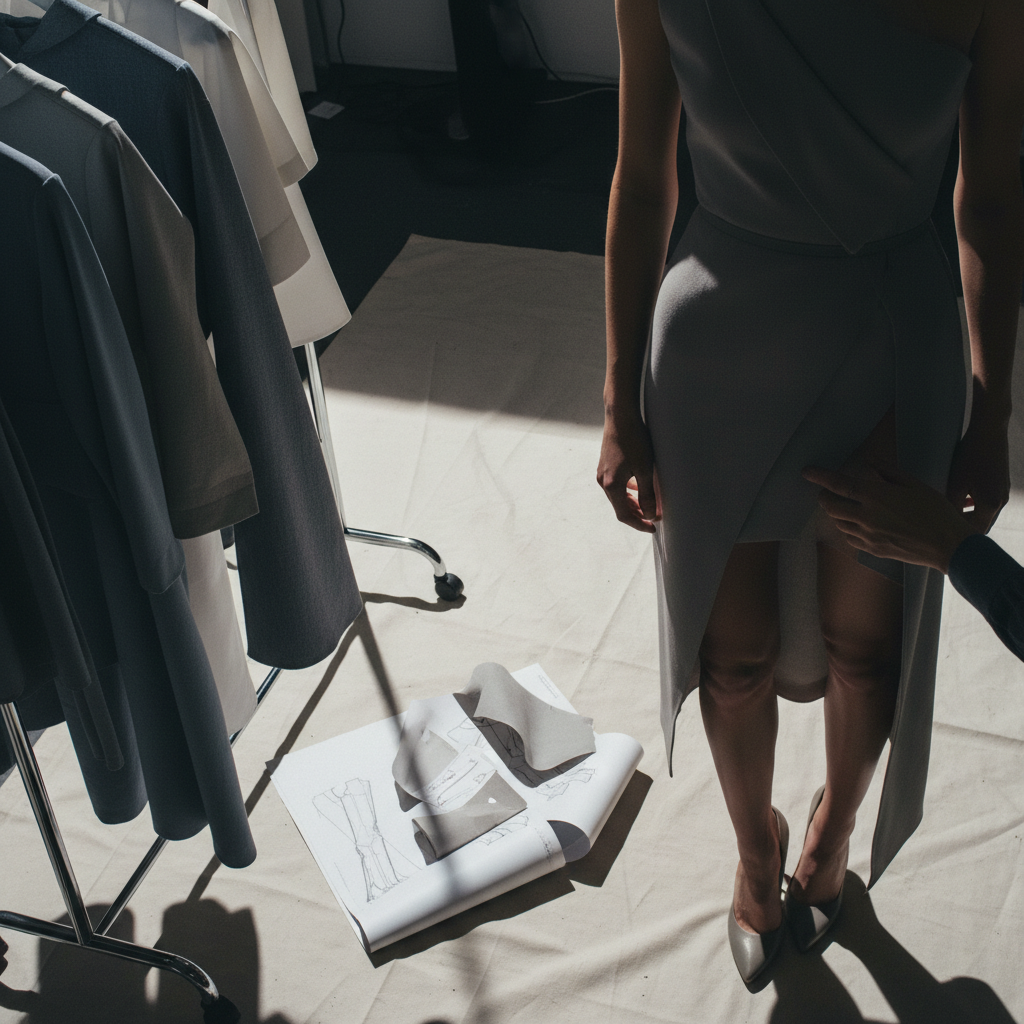
The F* Word ingests the runway image, classifies the garment, generates the moodboard, and outputs a factory-ready tech pack in 8 to 10 minutes. That is the entire 15-minute path inside one tool, instead of stitched-together stages across Figma, Adobe Illustrator and a manual tech-pack template. The handoff to the factory then happens the same day rather than the same month, which is the operational change that makes a runway-inspired drop economically defensible.
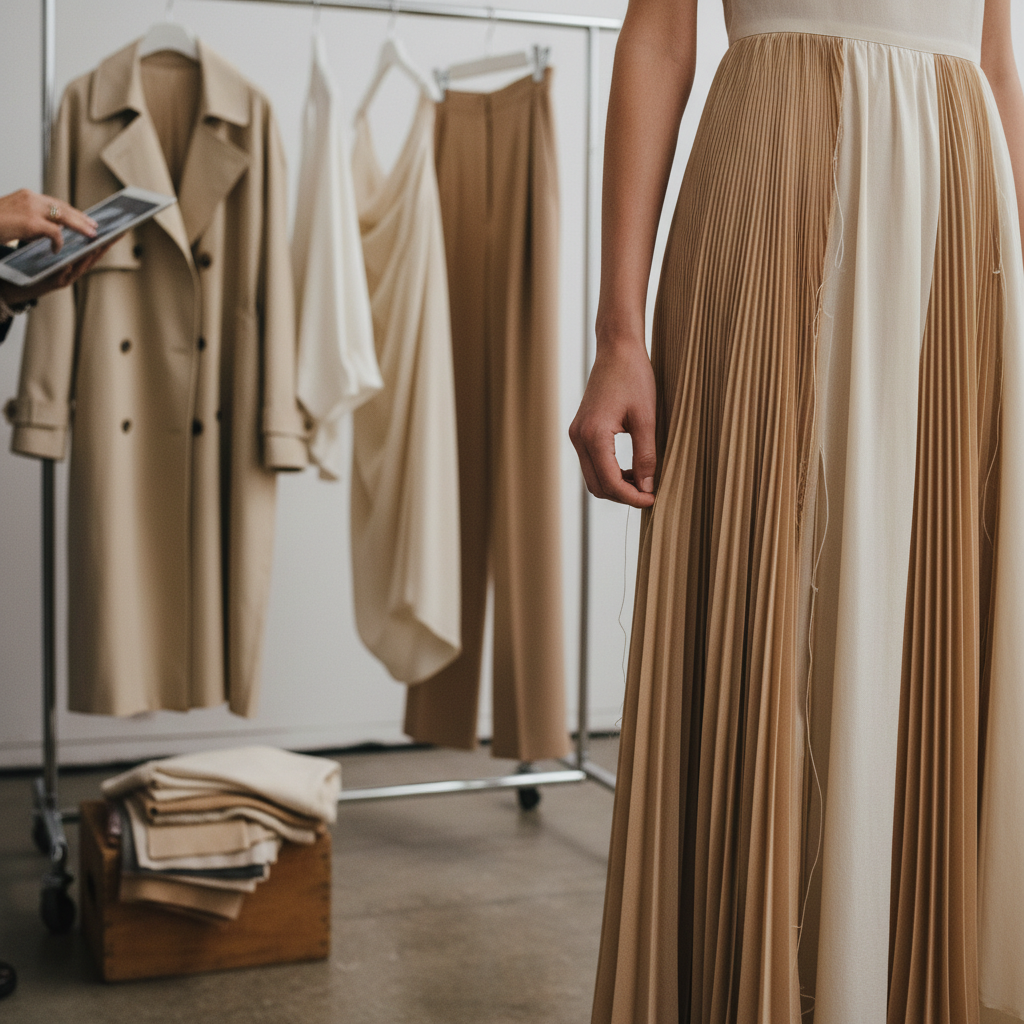
Use licensed runway image feeds. Do not copy a copyrighted design verbatim; AI moodboarding is for trend interpretation, not knock-offs. Most legal teams accept "inspired by the runway silhouette and color, distinct construction and trim" as the safe interpretation line. Document the trend source in the tech pack record so the audit trail is clean.
The 4-to-8-week saving rarely lands in shorter calendar time alone. The most common reallocation is: 30 percent goes to faster shipping, 40 percent goes to extra sampling rounds for fit and finish, and 30 percent goes to designer taste work (more concepts explored per drop). Brands that protect the taste-work share tend to win the season because the speed compounds into better product rather than just earlier product.
Teams that turn runway-to-production speed into a measurable revenue lever in 2026 share a small set of operating habits. None require a custom data team, and none require ripping out the existing planning stack. They do require the discipline to act on a signal inside the window it is actually warm in. Anchor every signal to a one-line sell-through hypothesis (cohort, price point, window), cap the active board at ten signals, force a weekly trade-off review where any new signal pushes an existing one off, and close the loop with the production tool so a signal becomes a tech pack inside a week rather than a research note.
Yes when the system is grounded on real construction data and tolerances. The F* Word validates the output against factory rules before it exports, which means flats, graded measurements, BOM and construction notes arrive in the format the factory already uses. The 8 to 10 minute generation time is end-to-end, not draft time. Most factories accept the file without a manual rework round, which is the failure mode that wrecks runway-to-production timelines in legacy tools.
Any modern factory that already accepts digital tech packs. The format and fields are the same as a human-built pack; the time-to-output is what changes. If a factory rejects a digital pack, that is a factory-readiness problem, not an AI problem. For new factories, send a sample tech pack during sourcing and confirm the field map and tolerance conventions before the first PO. Once the format is signed off, future packs flow without friction.
Yes for trend interpretation. For licensed IP color or logos, keep human sign-off in the loop because the audit standard is higher. The safe pattern is to use AI for the construction spec and the moodboard, and route every licensed asset through a manual approval gate before the tech pack is locked. That keeps the speed advantage on the 80 percent of the work that is generic construction and applies human judgement only on the IP-sensitive surface.
A traditional studio runs 4 to 8 weeks from runway look to signed PO, with most of the time sitting in tech-pack drafting and factory back-and-forth. AI compresses the drafting step from days to minutes and shortens the quoting loop because the factory receives a complete pack on the first send. The net is a one-day path from look to PO and a 2 to 3 week first sample window instead of 4 to 6.
A creative director who picks the look and signs off the moodboard, a designer who validates the AI-tagged flats and BOM, a production manager who runs the factory conversation, and a part-time analyst for the trend feed. AI removes the drafting headcount, not the judgement headcount. Most brands run this with one or two added seats, not a new data team, and reallocate the time saved on drafting into more concepts per drop.
Brands that ship 30 to 60 SKUs per year typically recover the software cost inside the first three drops, because each drop avoids 5 to 10 days of tech-pack labor and 1 to 2 weeks of factory back-and-forth. The bigger gain is hit-rate: a 12-week measurement window comparing AI-routed SKUs against control SKUs usually shows a 10 to 15 point sell-through lift, which dwarfs the software line in the second half of year one.
See how The F* Word turns a runway look into a factory-ready tech pack in 8 to 10 minutes.
Get The F* Word workflow insights in your inbox.