
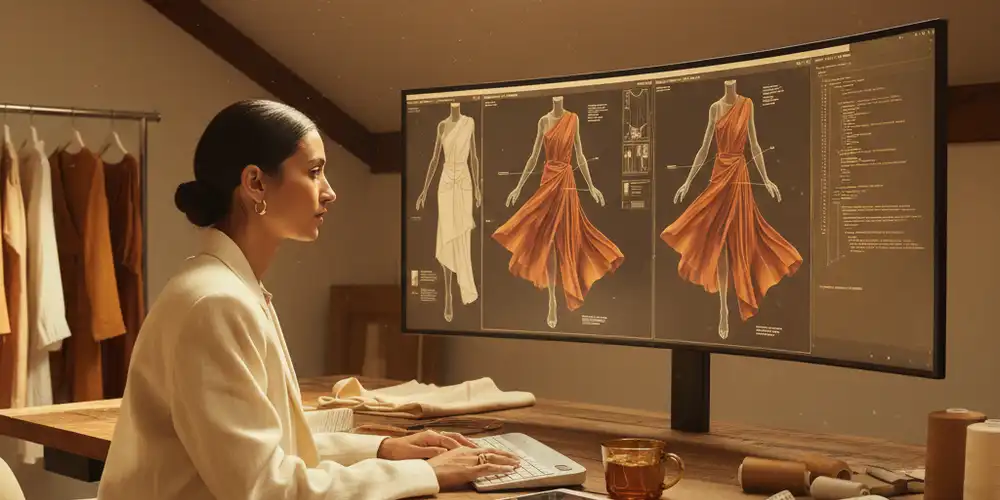
In 2026, a technical designer focuses on validating product development data, ensuring garment fit, construction, and quality align with brand standards and factory capabilities. They interpret design intent, create detailed technical specifications (tech packs), manage sample rounds, and communicate fit adjustments. AI now handles much of the data aggregation, initial specification generation, BOM validation, POM measurement verification, and even some aspects of grading. This shift frees technical designers from repetitive, data-intensive tasks, allowing them to concentrate on complex problem-solving, aesthetic interpretation, and strategic collaboration with design, sourcing, and manufacturing partners.

The technical designer's role remains critical, even with increasing AI adoption. Their core responsibility is to translate creative vision into manufacturable products that meet quality, fit, and cost targets. This involves a deep understanding of garment construction, textiles, patternmaking, and manufacturing processes. In 2026, their expertise in assessing the nuance of drape, hand-feel, and fit on a human body is irreplaceable, as is their ability to troubleshoot complex production issues.
AI's influence streamlines many preparatory and validation tasks. For example, AI can analyze historical data to suggest appropriate construction methods or identify potential fit issues based on pattern geometry. However, the final decision on construction details, the art of achieving the perfect fit, and the critical feedback loop with factories still requires the technical designer's experienced eye and judgment. They are the ultimate arbiter of product integrity and brand standards.

AI directly impacts the creation and validation phases of technical design. Generative AI tools can draft initial tech pack components based on high-level design inputs, such as materials, colors, and basic silhouettes. AI can also perform automated BOM validation, cross-referencing components against a library of approved materials and suppliers. This reduces human error and accelerates the initial setup process for new styles.
Parametric AI models assist with grading and POM validation. By analyzing 3D garment simulations and comparing them to physical samples, AI can flag discrepancies in measurements or suggest optimal grading rules for different size sets. This predictive capability minimizes the number of physical sample rounds needed, saving time and resources. AI also proves invaluable in flagging potential compliance issues early in the development cycle, such as restricted substances in materials or incorrect labeling requirements for target markets.
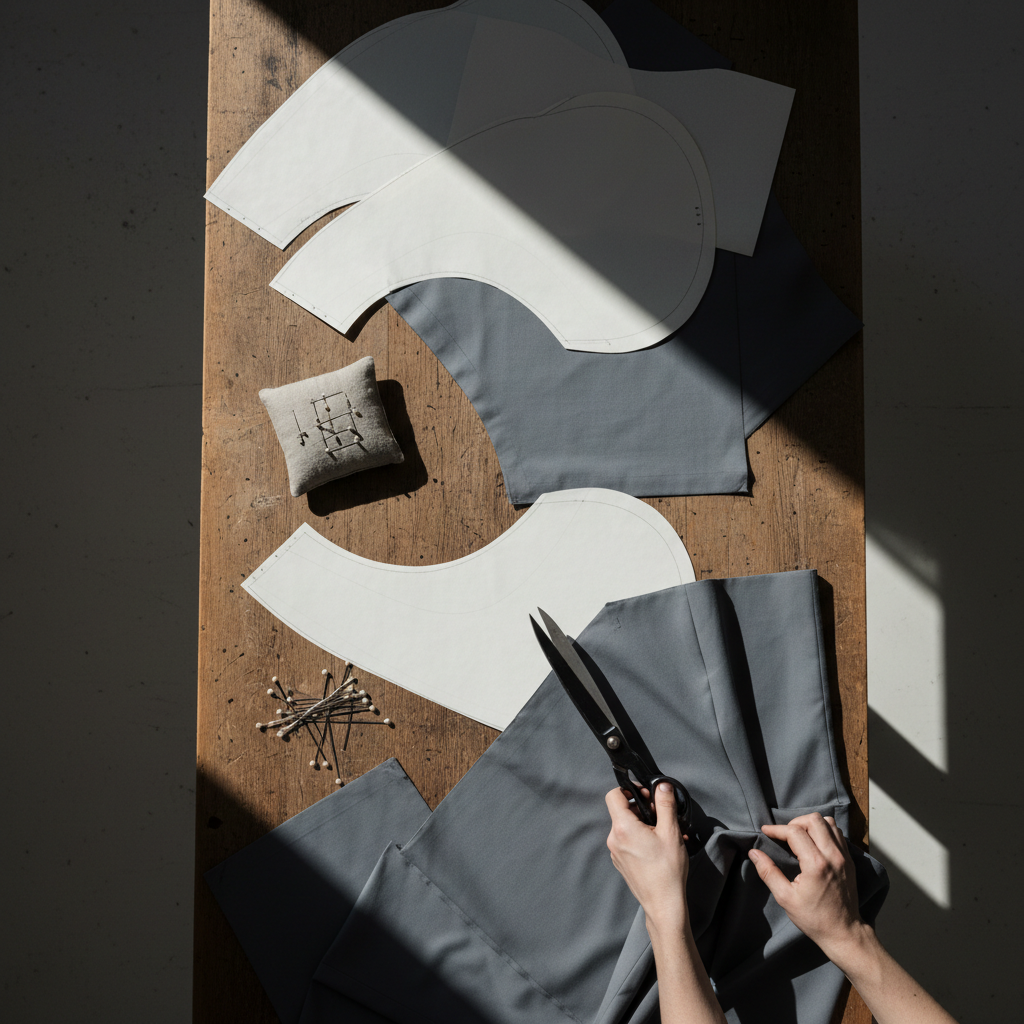
These AI-powered tasks improve accuracy, reduce lead times, and allow technical designers to focus on higher-value activities.
When considering AI tools for technical design, fashion brands should evaluate several factors. The tool's interoperability with existing PLM systems, 3D design software, and ERP systems is paramount. An AI solution that operates in a silo will create more inefficiencies than it solves. Data security and privacy are also crucial, especially when handling proprietary brand information and supplier details.
Accuracy and reliability are non-negotiable. AI models must be trained on extensive, high-quality data to deliver trustworthy results. Brands should also assess the learning curve for their technical teams and the level of customization available. An effective AI solution should integrate into the technical designer's established workflow, enhancing it rather than disrupting it entirely. Finally, consider the vendor's support structure and commitment to ongoing development to ensure the tool evolves with industry needs.
AI functionality is integrated into various platforms within the fashion product development ecosystem. The F* Word, for example, acts as an orchestration and validation layer, working across these specific tools.
| Platform Type or Name | Primary AI Application | Benefit for Technical Designers |
|---|---|---|
| PLM Systems (e.g., Centric, FlexPLM) | Automated data entry, workflow optimization, compliance checks. | Reduces manual input, streamlines approvals, ensures regulatory adherence. |
| 3D Design Software (e.g., Browzwear, CLO, Marvelous Designer) | Virtual sampling, fit simulation, fabric physics. | Minimizes physical samples, accelerates fit assessments, visualizes drape. |
| Generative AI (e.g., ChatGPT, Claude, Gemini) | Drafting initial tech spec notes, material descriptions, generating ideas. | Accelerates documentation, provides creative input on material choices. |
| AI Validation Platforms (e.g., The F* Word) | BOM/POM validation, tech pack integrity checks, data harmonization. | Ensures accuracy, prevents errors, creates factory-ready documentation. |
| Sourcing & Supply Chain Platforms | Supplier matching, risk assessment, demand forecasting. | Identifies optimal suppliers, mitigates material shortages, optimizes lead times. |
The F* Word doesn't replace existing design or PLM tools; instead, it acts as the intelligent workflow layer that ensures all data is consistent, accurate, and actionable. It pulls information from various sources (design files, PLM, material libraries, ERP) and applies AI-driven validation rules to ensure the tech pack is complete and factory-ready. This includes verifying all BOM components, cross-checking POMs, and ensuring all necessary trims and construction notes are present and unambiguous.
Crucially, The F* Word identifies discrepancies and flags them for the technical designer to review and correct. This transforms the technical designer's role from data entry and manual checking to one of authoritative oversight and strategic problem-solving. By reducing the noise and ensuring data integrity, The F* Word empowers technical designers to elevate their contribution to product quality and efficiency.
The primary skill is critical problem-solving and an expert understanding of garment construction, fit, and manufacturing processes. While AI handles data, the technical designer's judgment in interpreting AI outputs, making nuanced fit adjustments, and communicating complex solutions remains paramount.
No, AI cannot fully replace a technical designer. While AI automates many data-intensive and repetitive tasks, it lacks the human intuition for aesthetic and functional nuances, the ability to interpret diverse design intents, and the interpersonal skills required for collaboration with factories and designers.
AI assists with fit consistency by analyzing 3D garment simulations and digital patterns to identify potential issues before physical samples are made. It can also compare POMs from physical samples against specifications, flagging discrepancies that might affect fit across different sizes or production runs.
An AI-validated tech pack is a comprehensive document for manufacturing that has been reviewed by AI for completeness, accuracy, and consistency. AI checks BOMs, POMs, construction details, and material call-outs against established standards and historical data, flagging any deviations for human review.
Generally, technical designers will not need coding skills. Most AI tools and platforms, including The F* Word, are designed with user-friendly interfaces that integrate into existing workflows. Technical designers primarily need to understand how to interpret AI outputs and provide data for training models.
3D design software (e.g., CLO, Browzwear) creates virtual prototypes, allowing technical designers to visualize fit and drape digitally. AI enhances this by analyzing these 3D models for potential construction issues or optimal grading, further reducing the need for multiple physical samples.
AI improves collaboration by standardizing data and providing clear, validated information, reducing miscommunications. With AI handling data discrepancies, design and technical teams can focus their discussions on creative intent and production feasibility earlier and more effectively.
Ready to streamline your product development and empower your technical designers? Discover how The F* Word can help you Generate a validated tech pack.
Get The F* Word workflow insights in your inbox.