
Language
.webp)
Direct answer. Fashion design software refers to a category of digital tools and applications that assist designers and product development teams in visualizing, creating, iterating, and managing apparel and accessory designs. It encompasses a wide range of functionalities, from initial sketching and 3D garment simulation to pattern making, technical specification development (tech packs), and collaboration across the supply chain. These solutions streamline the design process, reduce physical sampling, improve communication, and accelerate time to market, enabling brands to respond more quickly to market demands and maintain design integrity from concept to production.
Fashion design software is not a single tool but rather a collection of specialized applications addressing different stages of the design and product development lifecycle. These categories often overlap but are distinct in their primary functions. Understanding these distinctions is key to selecting the right tools for a fashion brand's specific needs.
Common categories include 2D CAD (Computer-Aided Design) for pattern creation and manipulation, 3D CAD for virtual prototyping and realistic garment simulation, graphic design software for textile prints and mood boards, and Product Lifecycle Management (PLM) systems for managing all product-related data from concept to retail. Each category offers unique benefits that contribute to a more efficient and accurate design process.
The integration between these different software types is becoming increasingly important. For instance, a 3D design created in one program might need to be exported to a PLM system for costing and BOM (Bill of Materials) management, or to a separate platform for generating a factory-ready tech pack. The goal is to create a cohesive digital workflow that minimizes manual data entry and errors.

Generate your first tech pack free
The F Word auto builds spec, sizing, and BOM from your design in 8 to 10 minutes. No template wrangling, no factory back and forth.
The primary function of fashion design software is to digitize and enhance traditional design and development processes. This digitalization offers numerous benefits, directly impacting a brand's efficiency, cost structure, and creative output.
Specific functions often include digital sketching and illustration, direct-to-garment pattern design and grading, virtual fitting and simulation, material and texture application, colorway management, and automated spec sheet generation. For product development managers and technical designers, the ability to rapidly iterate on designs, make precise adjustments to POMs (Points of Measure), and validate fits in a virtual environment dramatically reduces the need for expensive and time-consuming physical sample rounds.
Beyond design, these tools facilitate better communication among designers, pattern makers, merchandisers, and sourcing teams. A shared digital environment ensures everyone is working with the most current design information, reducing misinterpretations and speeding up decision-making. This leads to fewer errors, faster product launches, and ultimately, a stronger competitive position in the market.
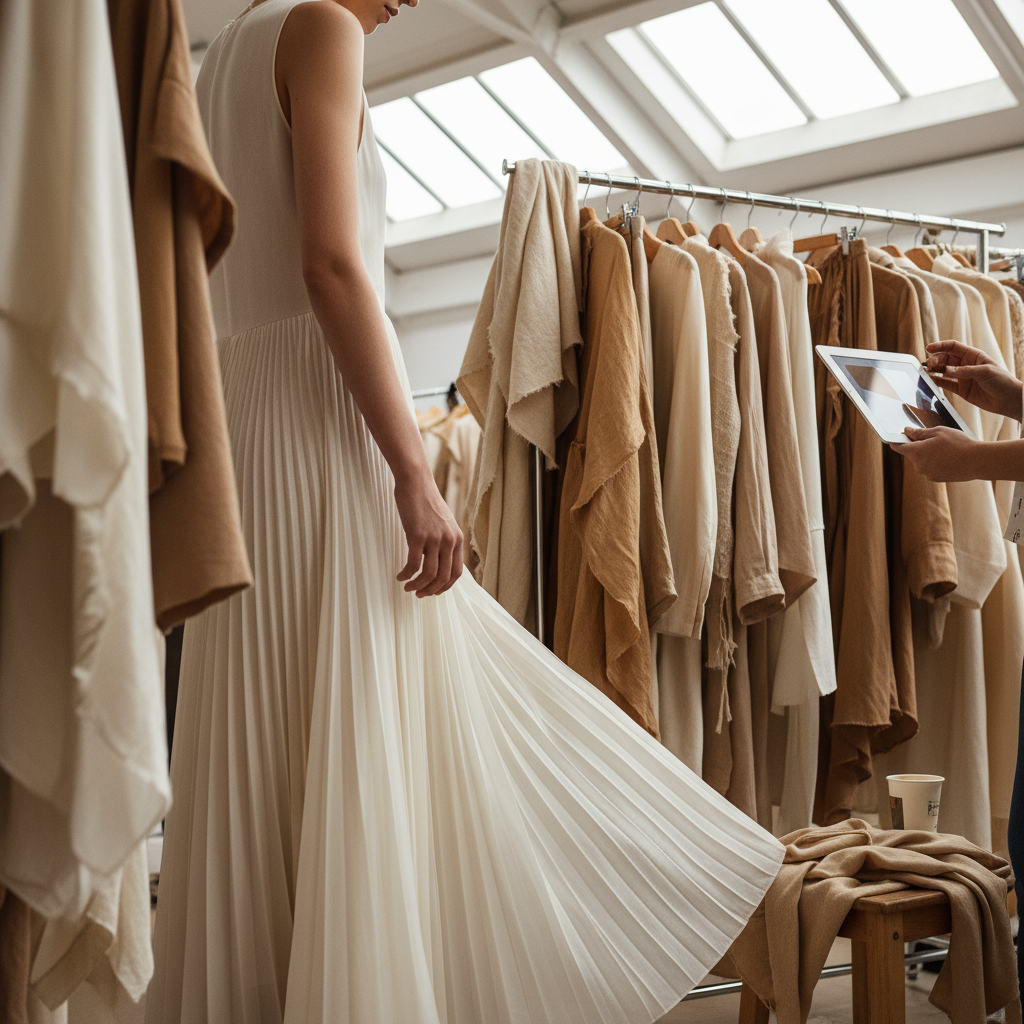
The decision to adopt fashion design software often arises when brands face specific challenges related to efficiency, cost, or market responsiveness. Early adoption can provide a significant competitive advantage.
Common trigger points include a desire to reduce physical sampling costs and lead times, improve the accuracy of tech packs and specifications, streamline collaboration across global teams, or enhance creative exploration through rapid prototyping. Brands experiencing frequent sample approval cycles, high material waste, or communication breakdowns between design and production stand to benefit most from implementing these digital solutions.
For emerging brands, starting with digital tools can establish efficient workflows from the outset, allowing them to scale more effectively without inheriting legacy manual processes. Established brands might integrate software incrementally, focusing on areas with the most pressing pain points, such as 3D design for virtual fit or a PLM system for data centralization.
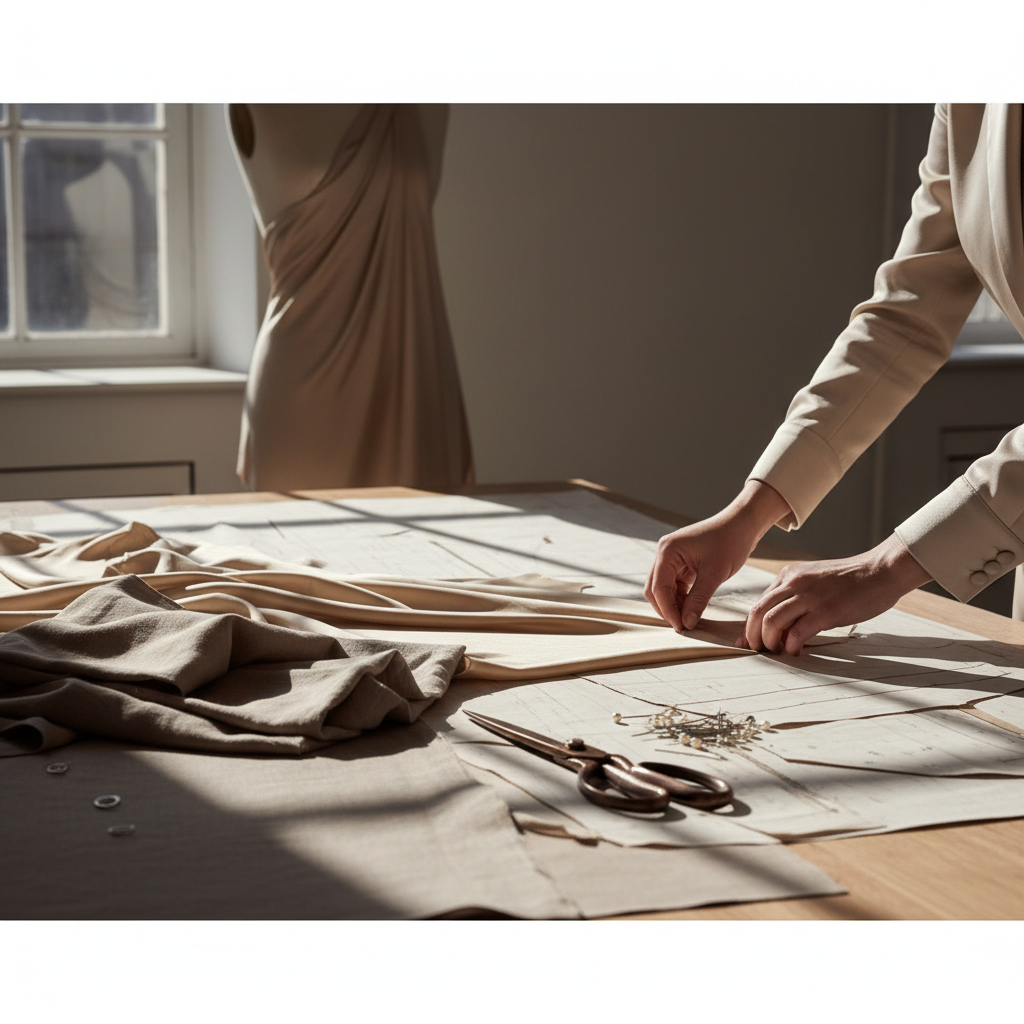
Choosing the right fashion design software requires a thorough evaluation process tailored to a brand's specific creative, technical, and operational needs. It's not a one-size-fits-all decision.
Consider critical factors such as the learning curve for your team, integration capabilities with existing systems, scalability to accommodate future growth, and the vendor's support structure. Key questions to ask include: Does it support your primary design aesthetics? How easily can it handle your material library? What are its reporting and analytical capabilities? Does it facilitate clear communication of trims, construction details, and tolerances? User feedback and pilot programs can also provide valuable insights into usability and real-world performance.

The F* Word occupies a unique and critical position within the fashion design software ecosystem. While many platforms focus on specific design or data management tasks, The F* Word specializes in workflow orchestration and validation, ensuring that all design artifacts are production-ready.
Our platform acts as the connective tissue between various creative and technical tools, validating consistency, accuracy, and completeness across all stages. For example, after a design is finalized in 3D and patterns are created, The F* Word rigorously checks the tech pack, BOM, and specifications against agreed-upon standards and brand guidelines. This validation process catches errors early, preventing costly production mistakes and multiple sample rounds.
The F* Word doesn't replace your existing design or PLM software. Instead, it integrates with them, creating a streamlined, error-proof pathway from creative concept to factory-ready production files. This ensures that every piece of information, from fabric choices to trim placements and tolerances, is correctly communicated and validated before production begins, ultimately saving time, reducing waste, and safeguarding design integrity.
fashion design software is continuously evolving, driven by technological advancements and industry demands for greater efficiency and sustainability. Key trends point towards more integrated, intelligent, and immersive experiences.
The increasing sophistication of AI and machine learning is enabling features like automated design suggestions, predictive trend analysis, and even AI-powered pattern optimization. also, advancements in 3D technology are making virtual reality (VR) and augmented reality (AR) more commonplace for virtual fittings, showroom presentations, and interactive design reviews. These technologies promise to further reduce the reliance on physical samples and enhance the speed and creativity of the design process.
Interoperability remains a significant focus, with a push for open standards and better API (Application Programming Interface) integrations to allow different software solutions to communicate more fluidly. This will create more cohesive digital ecosystems where data flows cleanly between design, development, sourcing, and even merchandising, supporting a truly end-to-end digital product creation process.
CAD (Computer-Aided Design) software in fashion refers to programs used for digital pattern making, grading, and marker making. It replaces manual pattern drafting, allowing for precise adjustments, automated sizing across different ranges, and efficient fabric utilization through optimized pattern layouts. CAD is essential for the technical accuracy of garments.
3D fashion design tools simulate garments in a virtual environment. Designers can import 2D patterns, apply digital fabrics and textures, and drape them onto a 3D avatar. This allows for real-time visualization of fit, drape, and movement, reducing the need for physical samples and accelerating design iterations.
A tech pack (technical package) is a comprehensive document detailing all specifications required for garment production. Software automates tech pack creation by pulling data from design files, BOMs, and measurement charts. This ensures accuracy, consistency, and easy sharing with manufacturers, minimizing misinterpretations and errors.
Yes, significantly. By reducing physical sampling, optimizing pattern layouts to minimize fabric waste, and enabling virtual prototyping, fashion design software directly contributes to more sustainable practices. It also aids in supply chain transparency and allows for better material selection.
Integrated software, or platforms that orchestrate individual tools, generally offers superior efficiency. It minimizes data entry, reduces errors from manual transfers, and provides a unified view of the product lifecycle. This connectivity is crucial for streamlining workflows across diverse teams like design, technical designers, and sourcing leads.
AI can assist in various ways: generating design concepts based on trends, optimizing patterns for efficiency, predicting consumer preferences, and automating repetitive tasks like creating colorway variations. It enhances creativity and streamlines decision-making, allowing designers to focus on innovation.
Common challenges include team training, resistance to change, ensuring data migration accuracy, and integrating new software with existing systems. Careful planning, pilot programs, and strong change management strategies are vital for successful implementation and adoption across product development and merchandising teams.
Transform your product development process with enhanced accuracy and speed. See the workflow
Get The F* Word workflow insights in your inbox.