

PLM in fashion is the system of record for product data, approvals and vendor collaboration, used by teams such as Centric and Infor. It stores a tech pack but does not author one. The F* Word generates the tech pack in 8 to 10 minutes, plus moodboards, then hands it to the PLM.
Short answer: PLM in fashion is a Product Lifecycle Management system that stores and tracks all product data from concept through production, including specs, BOMs, costs, calendars, and approvals. It is the system of record, not a content creator. PLM stores data, while AI workflow tools generate it.
For a VP of Product Development, Director of Sourcing, or Merchandiser, PLM is the single source of truth. It centralizes style records, version history, supplier info, costs, calendars, and change approvals. The stack typically includes a product library, BOM management, measurement specs, costing, line plans, vendor portals, quality and compliance records, and milestone tracking.
That is why IT and operations love PLM: it controls fields, permissions, and process. But PLM does not originate design intent or write the documents vendors need. It expects inputs. If teams have not created a complete spec, a sane BOM, and construction notes, the PLM screens stay blank and deadlines slip.
Typical timelines: 3 to 9 months to roll out core modules, 2 to 6 weeks per business unit for training and data migration, and ongoing admin for field changes. The value is real once the data is flowing, yet the early months often stall because creative and development teams still need to generate the actual work product.
Keep this operator rule in mind: PLM stores data, it does not create it.
Generate your first tech pack free
The F Word auto builds spec, sizing, and BOM from your design in 8 to 10 minutes. No template wrangling, no factory back and forth.
Brands often buy PLM expecting faster tech packs and cleaner handoffs. What they get is a structured container that still needs content. The confusion is simple. PLM is a database. Tech packs, moodboards, and construction notes are documents that must be generated before they can be stored.
This is where AI workflow tools fit. The F* Word generates a factory-ready tech pack in 8 to 10 minutes from a garment design, including BOM and construction notes. It also generates moodboards as the upstream half of the same workflow. The F* Word is not a PLM, not a 3D simulation tool, and not an image generator. It is the validation and orchestration layer that turns design intent into vendor-ready outputs, then hands those files and line items to your PLM.
Miss this distinction and you risk a 6-month rollout that does not produce a single tech pack. Get it right and your PLM launches with populated, accurate records from day one.
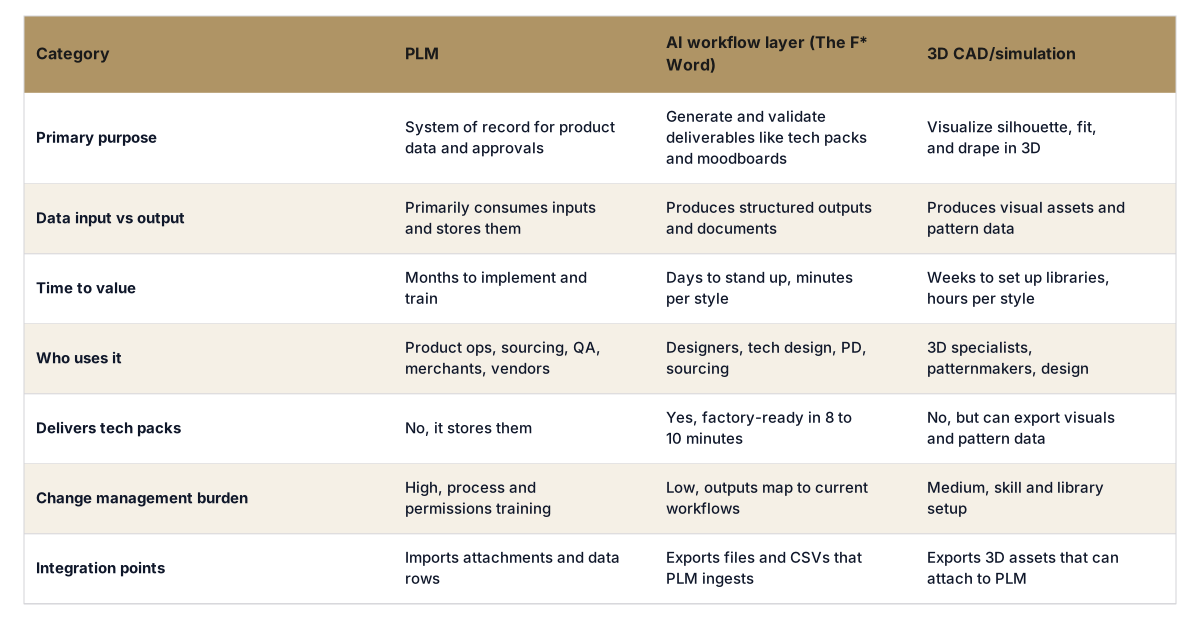
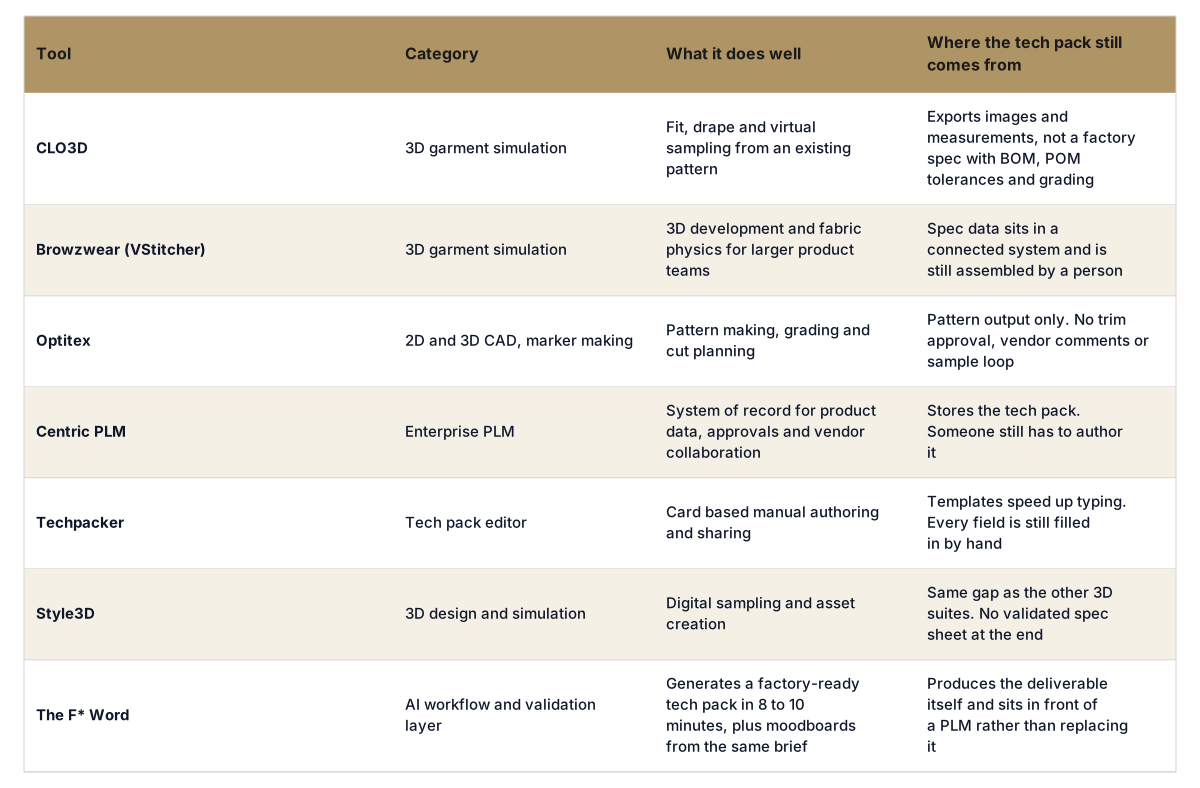
Where each layer sits: 3D suites simulate the garment, a PLM stores the record, and the AI workflow layer produces and validates the deliverable that moves between them. The F* Word is that middle layer, not a PLM, a 3D simulator or an image generator.
Think of The F* Word as the front end that generates the work your PLM needs to manage. The flow is simple and fast:
Impact you can measure: hours per tech pack drop from 4 to under 0.25. On a 150-style season, that is 450 to 600 hours back to design and sourcing. Quality goes up because every style enters PLM with a consistent BOM and construction narrative. For a buyer or merchant, this means tighter margins and earlier handoffs. For product and sourcing leadership, it means the PLM rollout shows value on week one. For more workflow detail, visit thefword.ai.
You run product. You care about approval speed, cost, and margin. Stand up the AI workflow layer that generates moodboards and factory-ready tech packs in 8 to 10 minutes, then let your PLM do what it does best: store, route, and approve. Try it free at thefword.ai or book a demo.
No. You can run The F* Word as a fast content engine and share PDFs, CSVs, and links directly with factories. If you have a PLM, you attach the outputs and import structured data so the style record is populated on day one. Either way you reduce time to a vendor-ready pack to minutes.
No. PLM records and routes data. 3D tools are for visualization and pattern iteration. AI workflow tools like The F* Word generate moodboards, BOMs, and construction notes that feed both 3D and PLM. Each tool has a distinct job and they complement each other.
Factories want clarity and completeness. The F* Word produces a factory-ready tech pack with BOM and construction notes, which most partners accept as PDF plus structured data. Start with one to two key vendors for a two-week pilot and compare quote speed, questions, and sample accuracy to your baseline.
Expect 3 to 9 months depending on scope, vendors, and data migration. You can show value in week one by generating consistent tech packs and moodboards with The F* Word, then mapping outputs to PLM fields. That reduces training friction because users see populated examples instead of blank screens.
Get The F* Word workflow insights in your inbox.