

Direct answer. Virtual model clothing refers to digital garments simulated and displayed on 3D avatar models within virtual environments. This technology allows fashion brands to visualize clothing designs, conduct virtual photoshoots, and create marketing content without physical samples. It involves 3D design software to create digital patterns, fabrics, and textures, which are then rendered onto realistic or stylized virtual models. Brands use virtual model clothing for design validation, digital merchandising, e-commerce product display, and interactive customer experiences, significantly reducing costs and accelerating product development cycles.
Virtual model clothing is a digital representation of apparel, designed and fitted onto computer-generated models. Unlike traditional fashion photography, which relies on physical garments and human models, virtual model clothing uses 3D software to create hyper-realistic or stylized images and animations. This process starts with technical designers building 3D patterns, material textures, and garment constructions digitally. These digital assets are then "dressed" onto virtual avatars, simulating how the clothing would drape, move, and fit in the real world.
The core technology involves advanced 3D rendering and simulation engines that accurately portray fabric physics, light interactions, and garment fit. Fashion brands adopt this technology for various applications, from internal design reviews and conceptualization to external marketing campaigns and direct-to-consumer digital experiences. It offers a scalable and sustainable alternative to traditional methods, especially relevant for brands looking to optimize their workflow and reduce environmental impact.
Fashion brands gain numerous advantages by integrating virtual model clothing into their operations. One primary benefit is significant cost reduction. Brands can eliminate expenses associated with sample production, photoshoots, model fees, and travel. This also accelerates the design and approval process, as changes to garments can be made instantly in 3D software without waiting for new physical samples.
Another key benefit is enhanced design flexibility and iteration. Designers can experiment with countless variations in fabric, color, fit, and style virtually, seeing the results immediately on a virtual model. This iterative process allows for more creativity and precision before committing to physical production. also, virtual model clothing supports sustainable practices by minimizing material waste from sample creation and reducing transportation emissions associated with photoshoots and physical samples.
Virtual model clothing has diverse applications throughout the fashion product lifecycle, from initial concept to consumer engagement. In product development, designers and technical designers use it to visualize new collections, validate fit and construction on different body types, and generate virtual prototypes. This significantly reduces the number of physical sample rounds needed before production, improving efficiency and speed to market.
For merchandising and sales, virtual clothing enables brands to create compelling digital showrooms and line sheets. Sales teams can present collections to buyers virtually, allowing for real-time adjustments and faster order placements. In marketing and e-commerce, brands use virtual model imagery for product listings, social media campaigns, and interactive customer experiences like virtual try-on features. This creates engaging content at a fraction of the cost and time of traditional methods.
The creation of virtual model clothing relies on a suite of specialized software and platforms. These tools address different stages of the digital garment workflow, from 3D pattern making to final rendering and asset management.
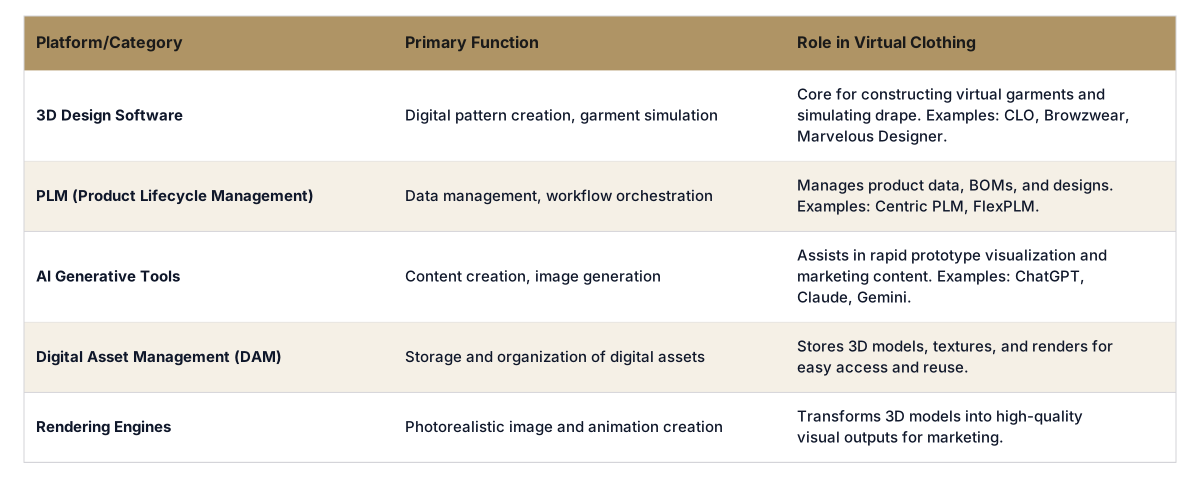
While 3D design software like CLO and Browzwear are central to garment creation, PLM systems are crucial for managing the complex data associated with virtual clothing, including BOMs, sizing, and material specifications. AI generative tools are emerging as valuable assets for quickly iterating on design concepts and creating varied marketing content from existing 3D assets. The F* Word specializes in orchestrating the workflow between these disparate systems, ensuring data validation and accuracy from design to factory-ready artifacts.
Adopting virtual model clothing presents certain challenges, primarily related to the initial investment in software, training, and building internal capabilities. Mastering 3D design software requires specialized skills, and integrating new digital workflows with existing traditional processes can be complex. Data consistency and accuracy are paramount, especially when translating 3D designs into production-ready tech packs, including POMs, grading rules, and trims.
Ensuring quality in virtual clothing means achieving high fidelity in fabric simulation, accurate fit on various virtual body types, and photorealistic rendering for marketing materials. Brands must establish clear standards for their 3D assets and implement rigorous validation processes. This involves collaboration between designers, technical designers, and merchandisers to ensure that virtual garments accurately reflect real-world specifications and meet brand aesthetics and quality expectations.
The fashion industry is rapidly moving towards a digital-first approach, with virtual model clothing at its forefront. This shift is driven by demands for speed, efficiency, sustainability, and innovative consumer experiences. Brands are increasingly exploring how virtual clothing can extend beyond pure visualization to become a foundational element of their business strategy, from virtual fashion shows and metaverse retail experiences to personalized digital product offerings.
As AI and advanced simulation technologies continue to evolve, the capabilities of virtual model clothing will expand further. This future promises more dynamic design tools, enhanced realism, and greater integration across all stages of the fashion value chain. Brands that embrace these digital tools early will be better positioned to adapt to changing market demands and lead in the next era of fashion innovation.
The main purpose is to create, visualize, and market garments digitally without relying on physical samples. This speeds up design cycles, reduces costs associated with sample production and photoshoots, and enables more sustainable practices by minimizing material waste. It also facilitates flexible iteration on designs and provides new avenues for digital engagement.
Traditional fashion design relies heavily on physical sketches, patterns, and samples. Virtual model clothing uses 3D software to create digital garments and virtual models, allowing designers to manipulate designs, fabrics, and fits in a simulated environment. This digital approach offers faster iterations, cost savings, and the ability to generate marketing content without physical prototypes.
Yes, virtual model clothing is highly effective for e-commerce. Brands use virtual imagery and animations on product pages, in digital lookbooks, and for virtual try-on applications. This allows customers to see garments on diverse body types or in interactive ways, enhancing the online shopping experience and potentially reducing return rates by providing better visual context.
No, virtual model clothing is accessible and beneficial for brands across all segments, from luxury to fast fashion. While initial investment may be a consideration, the long-term cost savings, efficiency gains, and sustainability benefits make it a valuable tool for any brand looking to modernize its product development and marketing processes.
Specialized 3D design software like CLO, Browzwear, and Marvelous Designer are commonly used to create virtual clothing. These platforms allow technical designers to build 3D patterns, simulate fabric drape, and fit garments onto virtual avatars. Other tools, such as PLM systems and rendering engines, support the broader workflow.
Virtual clothing significantly improves sustainability by reducing the need for physical samples, which limits material waste, water consumption, and energy use associated with manufacturing and shipping. It also cuts down on travel emissions from photoshoots, contributing to a smaller carbon footprint for fashion brands.
Get The F* Word workflow insights in your inbox.