
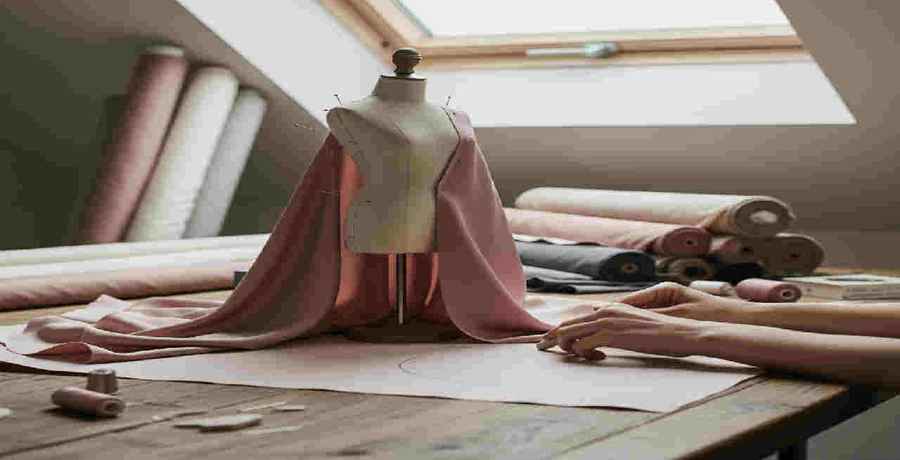
Direct answer. Virtual model clothing refers to digital garments created using 3D design software. These garments exist solely in virtual environments, styled on digital avatars rather than physical models. While primarily used by fashion brands for design, prototyping, marketing, and reducing sample rounds, the concept of "wearing" virtual clothing is expanding to consumers through augmented reality (AR) filters, gaming skins, and direct-to-avatar commerce. Anyone can now interact with and acquire virtual clothing, though the experience differs significantly from wearing physical garments.
Virtual model clothing represents a significant shift in how garments are designed, presented, and consumed. It involves crafting clothing entirely within a digital space, utilizing sophisticated 3D modeling software. Technical designers and product development teams can simulate fabric drapes, textures, and fit with high accuracy, often using real-world material properties.
This digital-first approach offers numerous advantages to fashion brands. It reduces the need for multiple physical samples, cutting down on material waste, design lead times, and associated costs. From initial concept to factory-ready tech pack, virtual models accelerate the workflow without needing traditional sample rounds.
The creation of virtual clothing involves specialized software and skilled 3D artists or technical designers. The process often begins with 2D patterns, much like physical garment construction, but these patterns are then "sewn" together digitally around a 3D avatar. Parameters such as fabric weight, elasticity, friction, and sheerness are applied to mimic real-world materials.
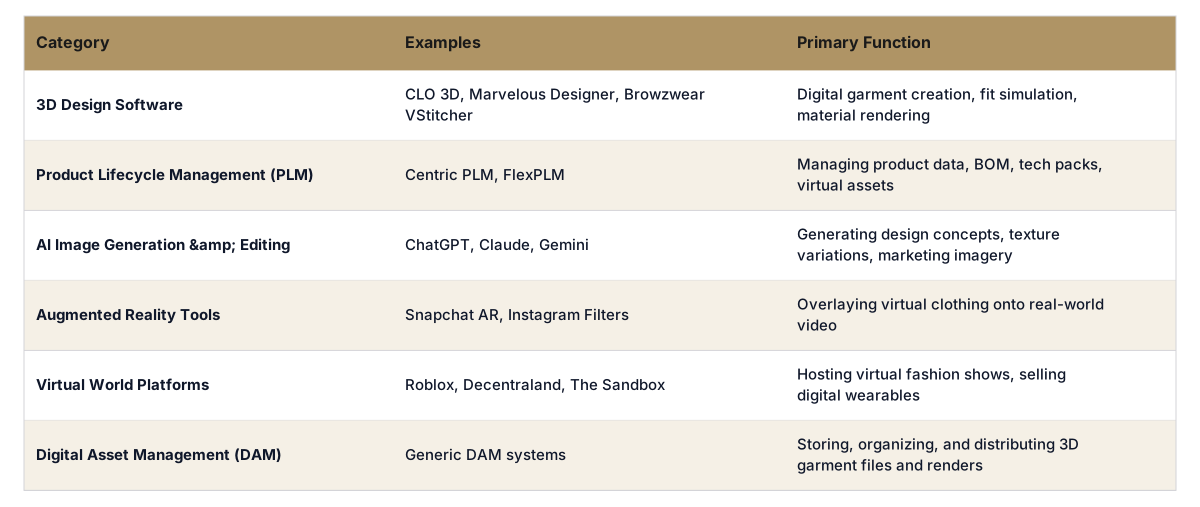
Software platforms like CLO 3D and Marvelous Designer are industry standards for this work. These tools allow for iterative design, enabling designers to quickly modify styles, experiment with colors and prints, and check fit on various body types without ever cutting a single piece of fabric. The output is a highly realistic 3D garment that can be rendered in still images, animations, or AR experiences.
While industrial adoption focuses on design and production, consumers can "wear" virtual clothing in several ways. The most common is through social media filters that overlay digital garments onto a user's live video feed, often in real-time. This allows for a fun, temporary experience of trying on virtual outfits.
Beyond filters, the gaming industry is a major driver of virtual clothing adoption. Players frequently purchase "skins" or outfits for their avatars, allowing for personalization and expression within virtual worlds. High-fashion brands are increasingly collaborating with gaming platforms to offer exclusive digital collections.
Another emerging area is direct-to-avatar commerce, where consumers buy digital garments specifically for their online personas or for use in metaverse platforms. This taps into the desire for self-expression in digital spaces, mirroring the role of physical clothing in the real world.
The push for virtual clothing is driven by tangible benefits for both the fashion industry and individual consumers.
The creation and management of virtual clothing rely on a suite of interconnected technologies. These tools cover everything from initial concept to digital asset management and virtual try-on experiences.
The trajectory of virtual model clothing points towards deeper integration into the fashion industry workflow and broader consumer adoption. As AI advancements improve the realism and versatility of digital garments, their role in design, merchandising, and marketing will only grow. We can anticipate more brands offering digital-twin garments, a physical product with an accompanying digital version for metaverse or AR use.
For individuals, the line between physical and digital self-expression will continue to blur. Virtual clothing might become a standard complement to physical wardrobes, offering a sustainable and flexible way to experiment with style without the environmental impact or cost of fast fashion. Technical designers and product development managers will increasingly work with digital assets as the primary source of truth for production.
Virtual clothing exists only in digital environments, designed for avatars or AR filters, and has no physical form. Physical clothing is tangible, made from materials like fabric, and worn on the human body in the real world. Virtual clothing aims to mimic the appearance and drape of physical garments but lacks their tactile properties.
No, you cannot physically wear virtual clothing outside of a screen. It is designed to be experienced visually through digital platforms like social media AR filters, video games, or virtual worlds. The concept of "wearing" it refers to its digital application on your avatar or live video feed, not for real-world physical use.
Yes, virtual clothing offers significant sustainability benefits. It eliminates material waste associated with physical sample rounds, reduces transportation emissions, and minimizes the need for water and chemicals used in garment production. Its creation and distribution are entirely digital, leading to a much smaller environmental footprint.
Absolutely. Fashion designers and technical design teams extensively use virtual clothing for product development. It allows them to experiment with designs, check fit, refine patterns, and visualize collections in 3D without producing physical samples. This simplifies the entire design process, from initial concept to BOM creation.
The cost of virtual clothing for consumers varies widely. Simple AR filters might be free, while gaming skins can range from a few dollars to hundreds for exclusive items. High-fashion virtual garments sold on metaverse platforms can sometimes command prices comparable to, or even exceeding, physical luxury items, depending on exclusivity and brand.
Creating virtual clothing requires a blend of fashion design knowledge, 3D modeling skills, and proficiency in specialized software. Technical designers often have backgrounds in patternmaking, garment construction, and digital design. Understanding fabric properties and how they drape in a digital environment is also important.
Learn how The F* Word turns virtual vision into factory-ready production artifacts. See the workflow
Get The F* Word workflow insights in your inbox.