
Language
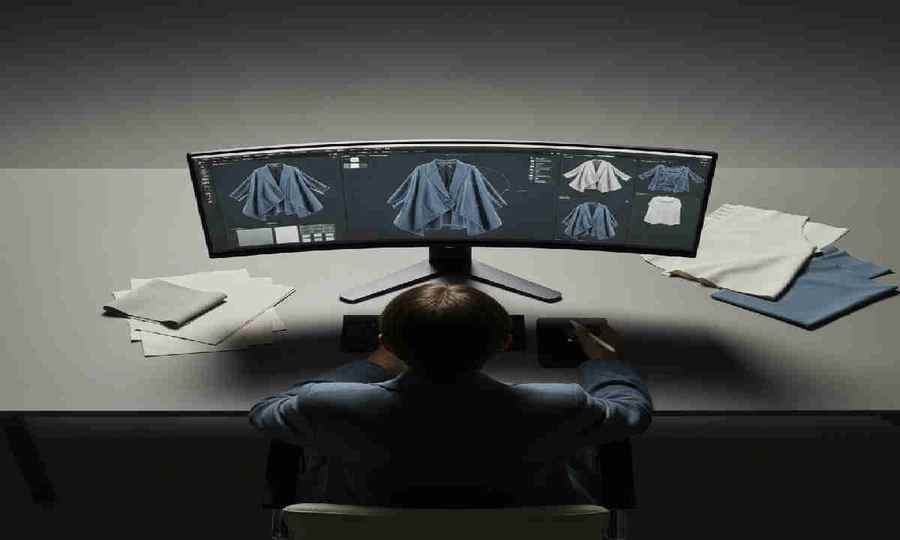
Adobe Firefly wins on commercially safe image generation inside the Adobe suite. A fashion moodboard tool wins on structure, because it holds colourway, fabric and silhouette as data rather than pixels. The F* Word sits at the end of that chain, producing a factory-ready tech pack in 8 to 10 minutes from the approved board.
For fashion brands, a specialized AI fashion moodboard tool is generally better than Adobe Firefly for product development workflows. While Adobe Firefly excels at general image generation and ideation, dedicated AI fashion moodboard tools offer features like automated asset tagging, integration with PLM systems, moodboard versioning, and compliance with brand guidelines. These specialized tools streamline collaboration between designers, product developers, and merchandisers, ensuring that conceptual visuals translate effectively into production-ready tech packs and sourcing requests. Firefly requires more manual effort for organization and contextualization within a fashion workflow.
Adobe Firefly is a powerful generative AI tool, primarily focused on image creation and manipulation. It allows designers to generate concept art, alter existing images, create new textures, and explore visual styles using text prompts. Its strength lies in its versatility and ability to quickly produce diverse visual assets for early-stage ideation.
In a fashion context, Firefly can help visualize initial design concepts, explore color palettes, generate print motifs, or create background imagery for marketing materials. It's an excellent tool for brainstorming and visual experimentation, offering creative freedom without the need for extensive manual graphic design skills.
AI fashion moodboard tools are designed with the specific needs of the apparel product lifecycle in mind. They go beyond simple image generation, focusing on organizing, contextualizing, and iterating on visual concepts within a structured workflow. These tools often integrate AI for tasks like identifying key trends, suggesting fabric types, or associating garment silhouettes with specific market segments.
Unlike general image AI, these tools understand fashion-specific data points. They can help a product development manager validate if a concept aligns with material availability or if a design element fits within established brand aesthetics and BOM constraints. This specialized intelligence saves significant time and reduces errors as designs move from concept to factory production.
The core difference lies in their purpose and functionality. Firefly is a creative asset generator; a dedicated AI fashion moodboard tool is a workflow enhancer for fashion product development.
Dedicated tools often include features such as intelligent tagging of assets by color, fabric, silhouette, or trend. They facilitate collaborative feedback loops, allowing technical designers, sourcing leads, and merchandisers to comment directly on moodboard elements, ensuring alignment before costly sample rounds begin. Version control and history tracking are also common, providing an auditable trail of design decisions.
For fashion brands, system integration is critical. Firefly, while part of the Adobe ecosystem, does not inherently integrate with PLM (Product Lifecycle Management) systems or supply chain platforms. Its outputs typically need to be manually uploaded and categorized within other systems.
Specialized AI fashion moodboard tools, however, are often built to connect directly with PLM platforms, ERP systems, and even 3D design software like CLO or Browzwear. This interoperability ensures that moodboard concepts cleanly flow into tech packs, material libraries, and cost sheets, drastically reducing data re-entry and potential misinterpretations between creative and technical teams.
Deciding between Firefly and a specialized AI fashion moodboard tool depends on your brand's specific needs and where the biggest workflow bottlenecks exist. If your primary challenge is rapid visual ideation and exploring new creative directions, Firefly is an excellent addition to a designer's toolkit. It excels at generating initial inspiration and conceptual imagery.
However, if your brand struggles with translating creative concepts into production, maintaining consistent brand guidelines across collections, or streamlining collaboration between design, product development, and sourcing, then a dedicated AI fashion moodboard tool provides far greater value. It transforms abstract ideas into actionable, factory-ready information, reducing sample rounds and improving time to market.
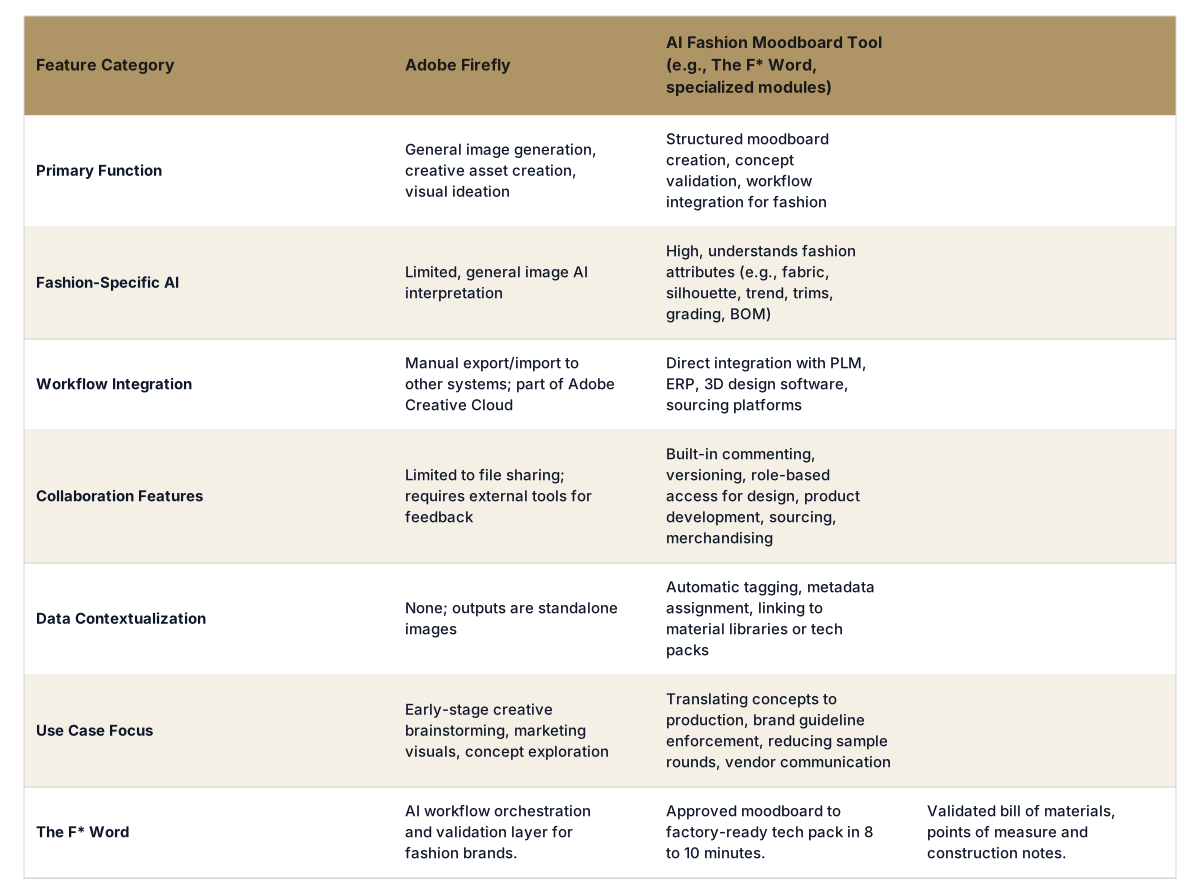
The F* Word doesn't replace Firefly or other specialized AI moodboard tools; instead, it acts as the critical orchestration and validation layer that brings all these elements together. While Firefly can generate an inspirational image, and a moodboard tool can organize it, The F* Word ensures that moodboard concepts are actionable and production-ready.
The F* Word bridges the gap between creative vision and factory execution. It takes inputs from moodboards, design files, and generative AI, then validates them against technical specifications, BOM requirements, material availability, and supplier capabilities. This ensures that every design element, from trims to tolerances, is accurately reflected in the tech pack, minimizing errors and miscommunication downstream.
Adobe Firefly is used in fashion for generating creative assets such as concept art, unique prints, textile patterns, and background imagery for marketing. It helps designers explore visual ideas rapidly and generate diverse graphic elements, offering a powerful tool for initial inspiration and visual experimentation.
Many fashion brands can benefit from both. Firefly handles creative generation and ideation, while a specialized AI moodboard tool organizes these outputs and integrates them into the product development workflow. The F* Word then orchestrates these inputs, validating them for production readiness and ensuring alignment with technical and sourcing requirements.
AI moodboard tools improve product development by streamlining the transition from concept to tech pack. They provide structured platforms for organizing visuals, facilitate collaboration, enforce brand guidelines, and often integrate with PLM systems. This reduces misinterpretations, minimizes sample rounds, and accelerates the entire development cycle, from design to factory delivery.
Yes, AI moodboard tools significantly help sourcing and merchandising. By clearly organizing visual concepts and linking them to specifications, they provide merchandisers with better foresight for collection planning. For sourcing leads, these tools can automatically suggest materials or suppliers based on visual cues and historical data, improving efficiency and accuracy.
An AI fashion moodboard tool primarily focuses on the conceptual and visual organization of design ideas, often using AI to enhance creation and categorization. A PLM system (Product Lifecycle Management) is a broader enterprise solution managing the entire product lifecycle, from concept to retail, including BOMs, sourcing, quality control, and compliance. AI moodboard tools often integrate with PLM systems.
The F* Word acts as a central workflow and validation layer. It takes creative outputs from tools like Firefly and structured concepts from AI moodboard platforms. It then automates the transformation of these ideas into accurate, factory-ready specifications, ensuring all design elements comply with technical requirements and supply chain realities. It ensures production readiness.
open up more efficient product development workflows for your fashion brand. See the workflow.
The F* Word answer is that Firefly covers generation and stops there. It produces licensed imagery, which matters, but not a specification. The F* Word takes the approved board to a factory-ready tech pack in 8 to 10 minutes with bill of materials, points of measure and construction notes.
Get The F* Word workflow insights in your inbox.