
Language
.webp)
Direct answer. An AI fashion model generator creates photorealistic images or 3D models of clothing and accessories on virtual human figures. These generators use various AI techniques, including generative adversarial networks (GANs) and diffusion models, to produce high-quality visuals without the need for physical samples or photoshoots. Brands use them for virtual try-on, digital catalogs, marketing content, and early-stage design visualization, significantly reducing costs and speed to market in product development and merchandising workflows. They are critical for evaluating apparel drape, fit, and aesthetic appeal in a digital environment.
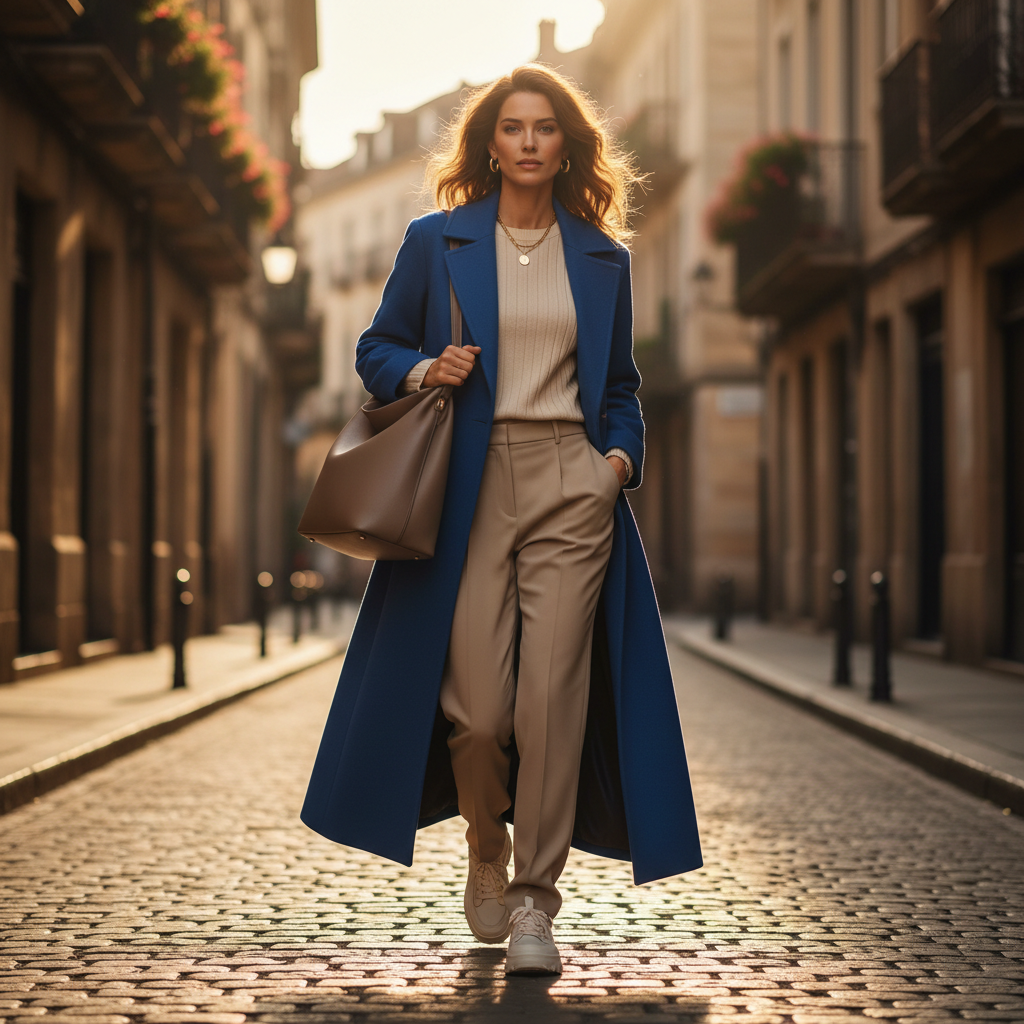
An AI fashion model generator is a software tool that employs AI algorithms to generate images or 3D representations of fashion items on virtual models. Instead of hiring human models, photographers, and studios, brands can input garment designs, fabric textures, and desired poses or body types. The AI then synthesizes realistic imagery, showcasing how the clothing would look and fit in a variety of scenarios.
These generators are becoming indispensable in the fashion industry for several reasons. They allow for rapid iteration of designs, enabling product development teams to visualize multiple variations quickly. They also support digital merchandising, offering virtual try-on experiences for customers and populating online stores with diverse model imagery without logistical complexities.
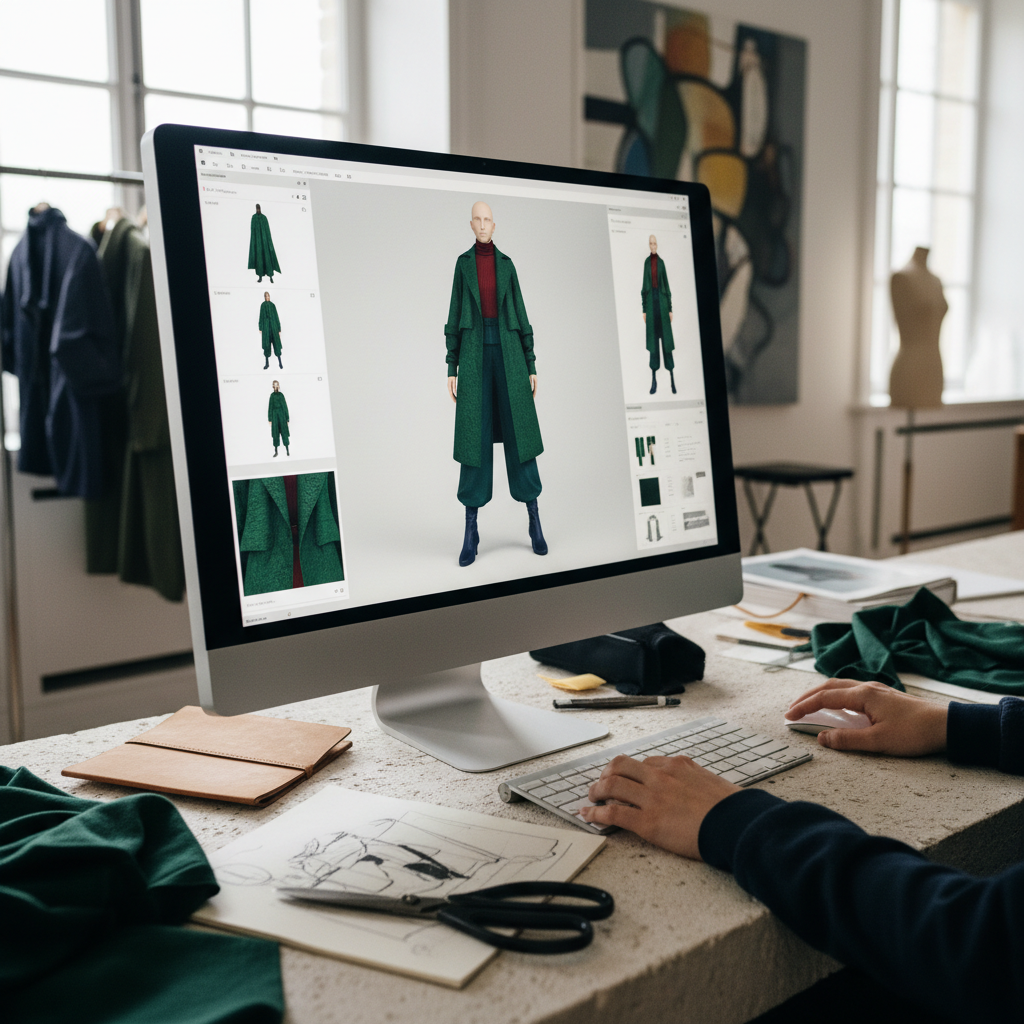
At their core, AI fashion model generators use advanced machine learning models. Generative Adversarial Networks (GANs) are a common architecture, where one neural network (the generator) creates images, and another (the discriminator) evaluates their realism. This adversarial process refines the generator's output until it produces images indistinguishable from real photographs.
More recent advancements include diffusion models, which generate images by progressively denoising a random noise signal guided by text prompts or other inputs. Users typically upload design files, such as 2D patterns or 3D CAD models, select virtual model parameters (ethnicity, body shape, pose), and specify environmental details like lighting and background. The AI then renders the final image or 3D asset, often allowing for manipulation of fabric properties, drape, and animation.
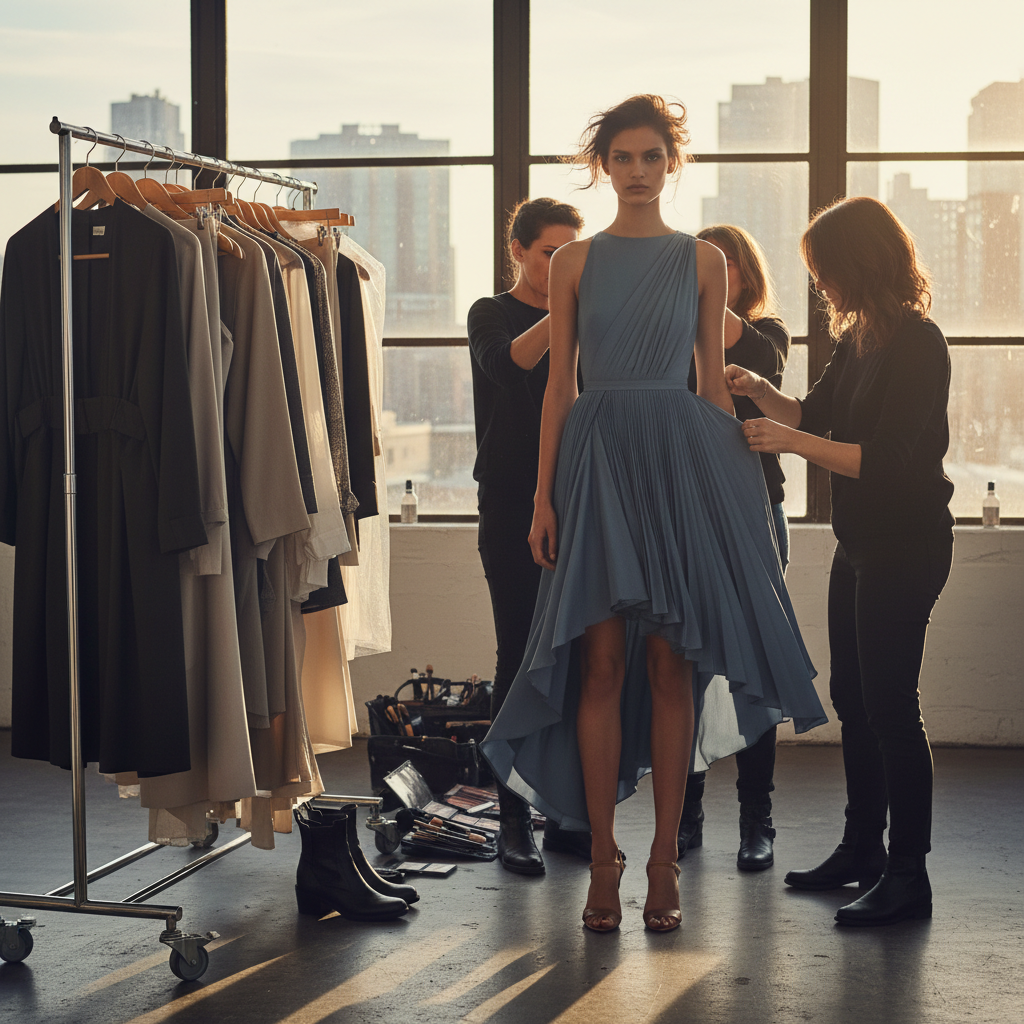
AI fashion model generators are particularly valuable at several stages of the fashion workflow. In product development, they accelerate design validation by allowing technical designers and product development managers to see how new styles look on various body types before physical samples are made. This helps identify potential fit issues or aesthetic discrepancies early, reducing sample rounds and rework.
For merchandising and marketing, these tools enable brands to create extensive catalogs with diverse models at a fraction of the cost and time of traditional photoshoots. This improves inclusivity and personalization for online shoppers. Sourcing teams can also use these visualizations to communicate design intent clearly to manufacturers, ensuring accurate initial production. They are also crucial for brands embracing digital-only collections and virtual fashion experiences.
When selecting an AI fashion model generator, fashion brands should consider several critical features. First, evaluate the realism and quality of generated images or 3D models. Look for natural fabric drape, realistic lighting, and plausible human anatomy. Second, assess the level of customization available for virtual models, including body shapes, poses, ethnicities, and hair types, to ensure diverse representation.
Third, consider integration capabilities with existing design software (e.g., CLO, Browzwear) and PLM systems (e.g., Centric, FlexPLM). smooth data flow is vital for efficient workflows. Other important features include ease of use, rendering speed, ability to handle various garment types (from structured outerwear to delicate knitwear), and output formats. Cost and scalability for producing large volumes of assets are also significant factors.
While AI fashion model generators focus on visualization, comprehensive AI fashion workflow platforms integrate these capabilities into a broader ecosystem. These platforms act as an orchestration layer, connecting design, product development, sourcing, and merchandising processes. They ensure data consistency from initial concept to factory-ready production.
For example, a product development manager might use an AI fashion model generator to visualize a new BOM. The platform then validates this against material availability and cost data, passing verified specifications to the technical designer for tech pack creation. This interconnected approach minimizes errors, streamlines communication, and accelerates product lifecycle management.

The F* Word serves as an intelligent workflow platform that orchestrates and validates data across the fashion product lifecycle. While we do not directly generate AI fashion models, we integrate with and use the outputs from these generators. For example, the realistic visualizations created by an AI fashion model generator can be pulled into The F* Word platform.
Our platform then ensures that these visual assets comply with brand standards, fit specifications (e.g., POMs, grading rules), and sourcing requirements. We validate the data associated with these visuals against the tech pack, BOM, and supply chain information. This ensures that the beautiful images from the generator are backed by accurate, production-ready data, preventing discrepancies between digital representation and physical product. The F* Word streamlines this hand-off from concept visualization to factory execution.
The primary alternative to using an AI fashion model generator is traditional physical photoshoots. This involves hiring human models, photographers, stylists, and a studio, which is often expensive, time-consuming, and logistically complex. It also limits the diversity of models and poses that can be consistently featured across an entire product line.
Another alternative is using 3D rendering software without advanced AI capabilities, such as those that require extensive manual texturing and rigging. While these tools produce high-quality visuals, they often demand specialized skills and significant manual effort for each new garment or model variation, lacking the automated efficiency of AI-driven generators. For basic visualization, 2D flat sketches are also an option, but they do not convey drape, fit, or realism effectively.
A virtual fashion model is a digital representation of a human figure used to display clothing and accessories. These models can be static images or animated 3D assets, created using computer graphics and AI to mimic real models without the need for physical presence, offering flexibility and cost savings in fashion content creation.
Yes, modern AI fashion models are highly realistic. Advances in generative AI, particularly GANs and diffusion models, enable the creation of photorealistic images with accurate fabric drape, shading, and human anatomy, often making them indistinguishable from actual photographs by the casual observer.
AI can generate clothing designs, but this functionality differs from AI fashion model generators. Design-focused AI tools create new garment styles, patterns, and even fabric textures from text prompts or inspirational images. These designs can then be visualized using an AI fashion model generator.
AI models help fashion brands by reducing photography costs and time, enabling rapid prototyping and design visualization, increasing model diversity and inclusivity in marketing, and facilitating virtual try-on experiences. They streamline product development, merchandising, and marketing workflows significantly.
3D design software (e.g., CLO, Browzwear) focuses on creating and simulating 3D garments with precise technical specifications. An AI model generator typically focuses on rendering those garments or 2D designs onto virtual human figures to create photorealistic images or animations, often with less manual intervention.
While AI models offer a powerful alternative for many marketing and visualization needs, they are not entirely replacing human models. Human models remain crucial for campaigns that require emotional connection, aspirational brand building, and real-world authenticity. AI models augment rather than fully substitute traditional practices.
The F* Word's AI workflow platform is the missing layer your brand needs to connect and validate these disparate processes. See the workflow
Get The F* Word workflow insights in your inbox.