
Fashion brands face a critical challenge: making AI outputs match their unique identity. Traditional Brand DNA is often a static document like a deck or a PDF. It outlines mission, palette, tone, and visual codes. While this helps onboard new employees, it falls short when AI must make product decisions at scale. In AI workflows, Brand DNA should shift into structured operating data that guides design, merchandising, product development, and customer experiences. This structured data must define brand behaviors, what it repeats, edits, avoids, and its flexibility by category, season, and segment. A strong Brand DNA system answers practical questions, ensuring AI outputs match brand values, and it solves the problem of inconsistent results.
What this looks like in practice: For a tech designer at a 200-SKU contemporary brand, Brand DNA might appear in AI-generated tech packs that automatically select materials, suggest embellishments, and propose pricing tiers based on historical data. This process ensures each product fits the brand's identity.
Generic AI tools generate outputs based on broad, plausible patterns but lack the specific commercial judgment unique to each brand. Off-the-shelf AI may impress during demos with narrow prompts and cherry-picked results but falters in real team workflows. Fashion brands rely on subtle distinctions. Two black dresses might belong to entirely different categories. Without a tailored Brand DNA, AI will produce inconsistent outputs from different functions, leading to confusion and inefficiencies.
Common pitfalls: Relying on off-the-shelf AI can result in mismatched color palettes or inappropriate fabric choices, which a luxury resort wear line might find especially damaging during a high-stakes seasonal launch.
Here is a comparison of the three common states of Brand DNA and how each one performs in an AI workflow.

Translating abstract brand adjectives into concrete rules is the core of codification. Consider a brand built on "relaxed luxury." This term is meaningless to an AI system until it becomes a set of specific, measurable parameters. The process involves breaking down the feeling into its physical components.
By converting these fuzzy concepts into a machine-readable rulebook, the brand ensures that AI-generated concepts for moodboards, products, and tech packs are born from its core identity. The result is not a limitation on creativity, but a foundation for consistent execution.
A systematic audit is the first step to building a codified Brand DNA. This process moves knowledge from documents and designers' heads into a structured format. Follow these five steps to create a foundation for your AI workflow.
To make Brand DNA usable, structure it as an operating spine for the fashion value chain. Here is a framework with seven layers: identity, customer, product, category, commerciality, craft, and constraint.
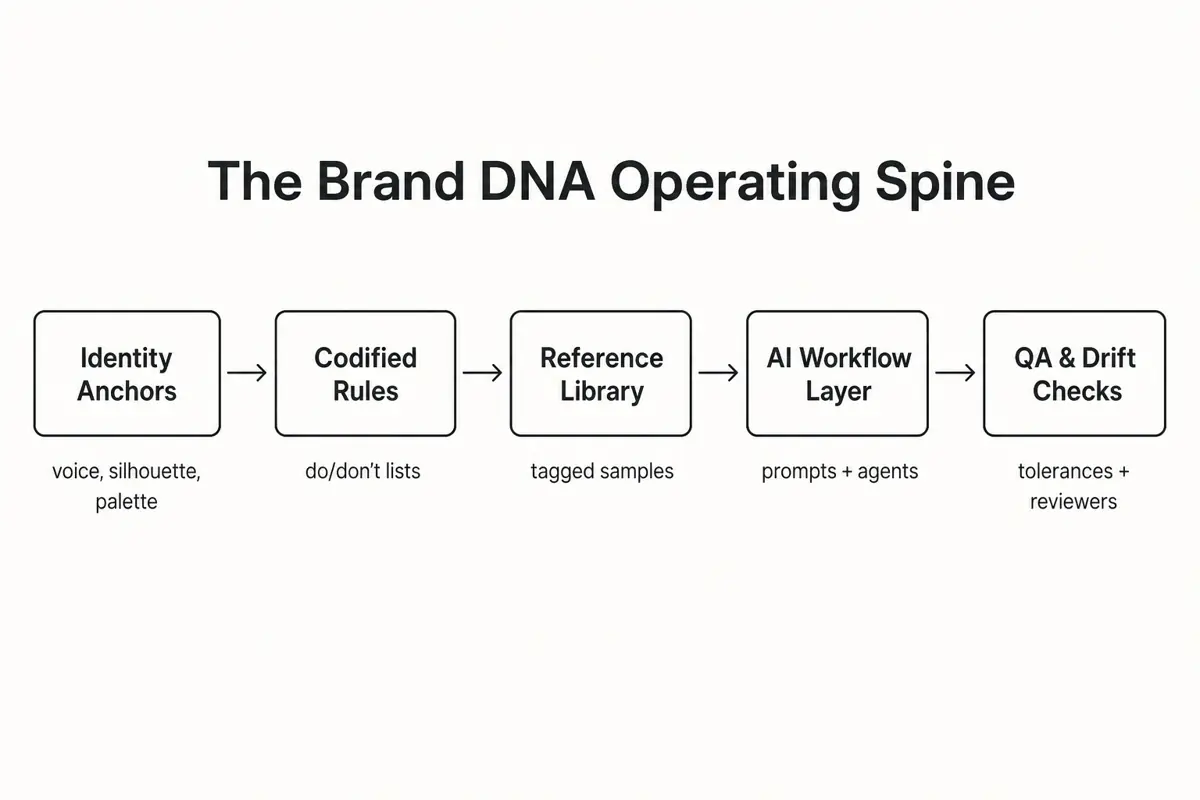
Figure 1. The five layers of a Brand DNA operating spine.
What this looks like in practice: A merchandiser at a mid-tier brand would input seasonal color palettes and silhouette preferences into the system. This would prompt AI to generate a cohesive capsule collection that fits the brand's commercial constraints.
Choosing the right place to start is key for a successful AI adoption. Not all categories are equally suited for an initial pilot. Use these four criteria to select a starting point that maximizes your chance of a quick win and builds momentum for a broader rollout.
Every fashion brand should conduct a one-hour Brand DNA test before scaling AI. Gather ten team members, including designers, merchandisers, product developers, and marketers, and give them the same brief. Ask each to generate three outputs using AI: a capsule direction, a product brief, and a production-aware concept for one hero SKU. Score each output for brand fit, customer fit, category logic, commercial logic, and production feasibility. A scalable AI workflow should achieve 80% alignment, ensuring outputs feel cohesive rather than disparate.
What this looks like in practice: At a heritage brand, designers and merchandisers might use this test to verify if AI-generated concepts fit with traditional craftsmanship values, ensuring each piece maintains the brand's legacy.
Brands should start with evidence, not adjectives. Terms like "premium" or "modern" create confusion unless translated into specific design and business rules. For one brand, "premium" might mean heavy fabric, muted colors, and minimal hardware. For another, it could mean novelty textures, visible details, and bold presentations. Begin by gathering evidence from past seasons, best sellers, worst sellers, campaign imagery, tech packs, fit comments, return reasons, customer reviews, and merchandising plans. Translate these into actionable Brand DNA that informs AI processes.
What this looks like in practice: A design director at a fast-fashion retailer might analyze past season data, using AI to predict which fabrications and silhouettes will likely drive sales in upcoming collections. This sets clear guidelines for design teams.
Brand DNA should not reside solely with creative teams. Creative direction sets the foundation, but AI workflows span the entire product lifecycle. Merchandising, product development, sourcing, ecommerce, and marketing all influence profitability. Merchandising defines customer segments, price architecture, SKU roles, channel rules, and assortment balance. Product development defines construction standards, fit rules, material constraints, trim logic, grading requirements, and vendor capabilities. Creative teams must ensure their aesthetic vision connects with commercial and operational realities.
What this looks like in practice: At a luxury brand, cross-departmental workshops might be held to ensure that creative outputs can be commercialized. These workshops could use AI to simulate market response before full-scale production.
A brand book explains identity. AI-ready Brand DNA drives decisions. A brand book might say a brand is "effortless, refined, and expressive." AI-ready Brand DNA specifies what that means in product terms: relaxed shoulders, clean waists, matte hardware, mid-weight drapes, restrained palettes, no logos, price tiers, styling references, fit tolerances, and approved fabrics. A brand book might describe the customer as "urban and confident." AI-ready Brand DNA defines age range, city behavior, occasions, basket sizes, fit expectations, climate needs, styling triggers, channel preferences, and competitor crossovers. This structured data ensures AI outputs connect with the brand's essence.
What this looks like in practice: For a streetwear brand, AI-ready Brand DNA might include detailed guidelines on graphic placement, fit preferences for different consumer demographics, and local street culture influences. This process ensures AI-generated designs resonate with their target audience.
Trend intelligence is more useful when filtered through Brand DNA. A generic trend report shows what's rising, but an AI trend system with Brand DNA tells which trends matter, how to translate them, and where they belong in the assortment. For example, a rising trend in sheer layering might be translated differently by a young occasionwear brand versus a premium workwear brand. With Brand DNA, AI can decide whether to embrace, reject, or reinterpret trends based on brand strategies.
What this looks like in practice: At a heritage outerwear brand, trend signals might guide AI to suggest subtle updates to classic designs, ensuring the brand remains relevant without sacrificing its storied aesthetic.
Weak tech packs often stem from vague initial decisions. Designers may communicate ideas that merchandisers misinterpret, while product developers fill gaps, leading to inconsistencies. AI can expedite tech pack creation, but only if it receives accurate inputs. Brand DNA provides structured decisions for tech packs: approved construction methods, stitching standards, fit blocks, material preferences, trim libraries, measurement rules, tolerance standards, quality expectations, and supplier constraints. This clarity reduces ambiguity and equips product development teams to start stronger. With The F* Word, a codified Brand DNA can produce a factory-ready tech pack in 8 to 10 minutes per garment.
What this looks like in practice: For a sustainable fashion label, AI-generated tech packs could automatically include eco-friendly material recommendations, accelerating the brand's sustainability goals.
Brand DNA readiness for AI sits on two axes: codification (tacit to codified) and workflow integration (manual to automated). Map your brand against the four quadrants below to identify the next move.
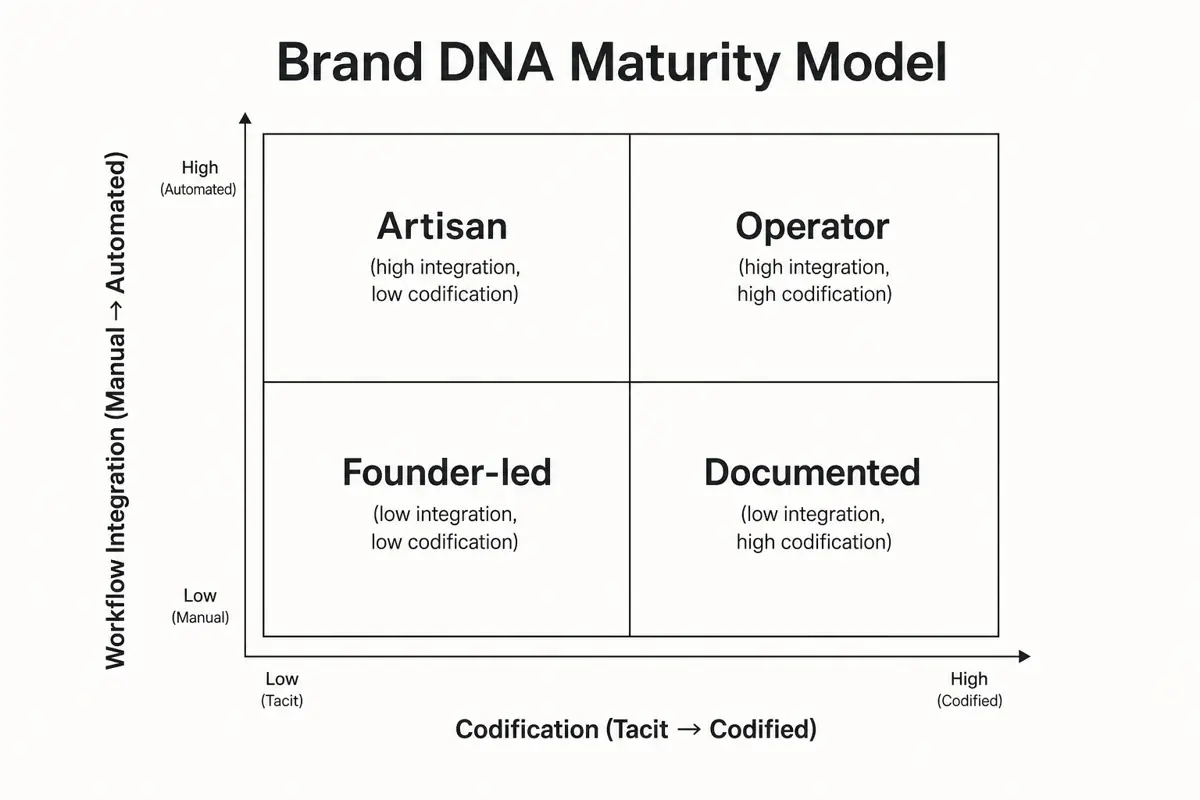
Figure 2. Brand DNA Maturity Model. Operator is the target state for AI fashion workflows.
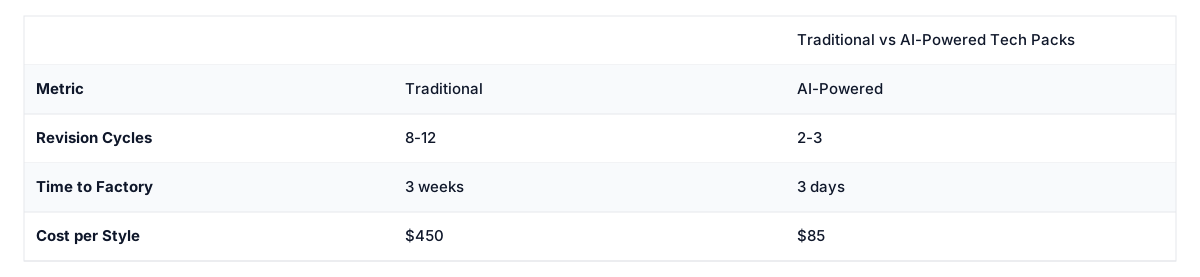
Track four numbers monthly: brand-fit pass rate on first AI output, revision cycles per style, time from brief to factory-ready tech pack, and cost per style. Operator-stage brands typically see brand-fit pass rate above 80%, revisions drop from 8 to 12 down to 2 to 3, time to factory move from 3 weeks to 3 days, and cost per style fall from around $450 to $85.
The four numbers above are leading indicators. Pair them with two lagging indicators reviewed each quarter: sell-through on AI-assisted styles versus baseline, and return rate variance versus the brand average. If lagging indicators slip while leading indicators hold, the codified Brand DNA is drifting from real customer behavior and the reference library needs a refresh.
A 90-day roadmap to move from Documented to Operator:
Three failure modes show up repeatedly when brands try to wire Brand DNA into AI workflows. Recognize them early and the 90-day roadmap stays on track.
What this looks like in practice: A contemporary womenswear brand kicked off codification with 14 hero adjectives. After an audit, only 4 mapped to enforceable rules. The other 10 were rewritten as construction, fit, and merchandising specifications before the AI workflow went live.
Groups that operate multiple brands face a sharper version of the same problem. Each brand needs its own codified Brand DNA, but the workflow layer, supplier base, and tech stack are often shared. Three principles keep multi-brand operations clean.
What this looks like in practice: A holding group with three brands in luxury, contemporary, and accessible price tiers used one Operating Spine schema with three brand-specific configurations. The shared craft layer cut sourcing time by 40% while brand-fit pass rates stayed above 80% in each label.
No. A brand book explains identity. Brand DNA codifies it as structured operating data that AI workflows can act on at every decision point.
Creative direction defines it. Merchandising and product development pressure-test it. A brand operations role owns the codified version that feeds the workflow layer.
Most brands reach the Operator stage in 90 days following the roadmap above, starting from a Documented baseline.
No, it frees up creative resources. By automating repetitive decisions about core styles, fabrics, and fit, it allows designers to focus their energy on new ideas and seasonal fashion concepts. The Brand DNA creates a consistent foundation, not a creative straitjacket. It defines the brand's sandbox, but the team still decides what to build inside it.
Yes. With a codified Brand DNA, The F* Word produces factory-ready tech packs in 8 to 10 minutes per garment, plus on-brand moodboards in the same workflow.
If Brand DNA lives only in the director's head, the brand drifts in one season. A codified Operating Spine survives leadership transitions because the rules, reference library, and reviewer tolerances are independent of any single person.
The identity, customer, and craft layers stay stable for multiple seasons. The product and category layers update each season to show trend translations that have been filtered through Brand DNA. This is how a brand stays recognizable while still feeling current.
The shift from static brand books to AI-ready Brand DNA is a strategic move for fashion brands. By embedding Brand DNA into AI workflows, brands can ensure consistent, on-brand outputs that strengthen their market position. This approach solves the problem of inconsistency and equips brands to use AI as a tool for new growth. Leaders must champion the integration of Brand DNA, ensuring it connects creative and commercial teams and guides AI systems toward achieving strategic objectives.
Related: Brand DNA and taste drift · Brand DNA in AI design · AI fashion workflow software
The F* Word turns codified Brand DNA into production output: on-brand moodboards and factory-ready tech packs in 8 to 10 minutes, with QA and drift checks built into every run. See how it works.
Related: creative director ai fashion workflow · fabricant alternatives · AI vendor handoff solutions · AI fashion industry workflows · protecting fashion brand DNA with AI
Get The F* Word workflow insights in your inbox.