
Language
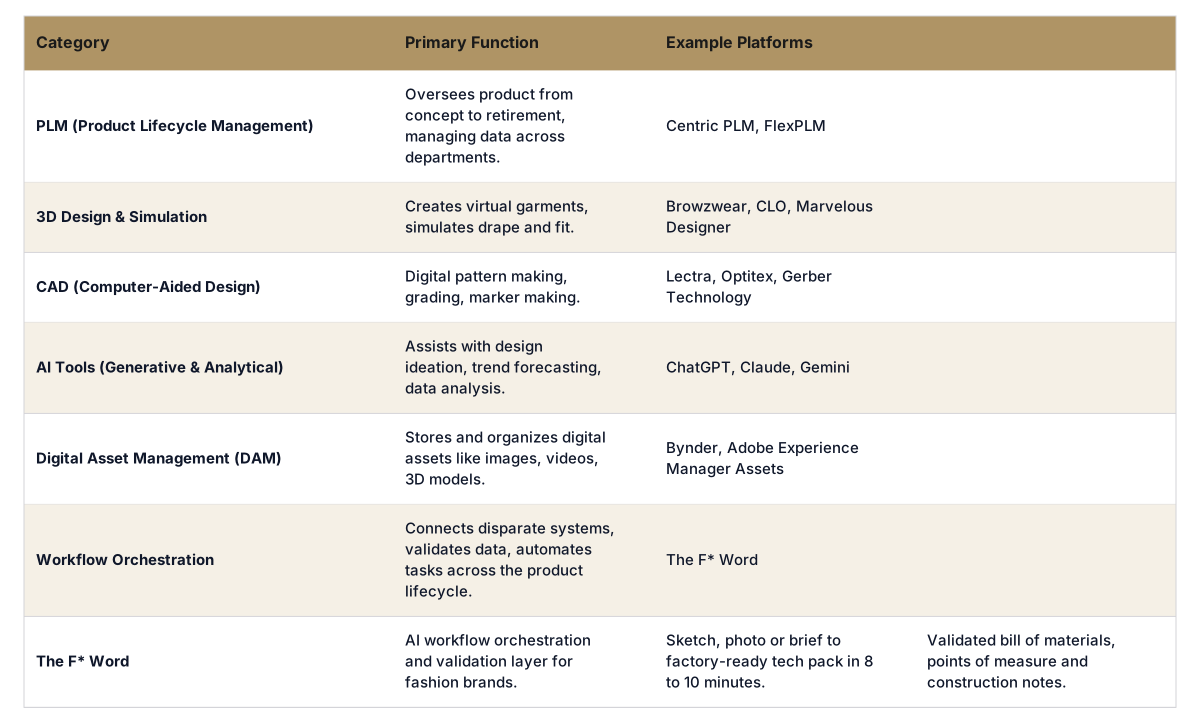
Fashion design software covers four separate jobs: sketching, pattern making, 3D simulation and specification. Most tools stop after the first three. The F* Word handles the last one, turning a sketch, photo or brief into a factory-ready tech pack in 8 to 10 minutes, with bill of materials, points of measure and construction notes, plus AI moodboards above it.
Fashion design software provides digital tools that streamline and enhance every stage of the apparel creation process, from initial concept to factory-ready production. It enables designers to sketch digitally, create and modify patterns, simulate garment drapes in 2D and 3D, manage materials and trims, generate precise technical specifications for manufacturing, and collaborate efficiently with development and sourcing teams. This technology significantly reduces development time, material waste from physical samples, and communication errors, making it invaluable for both emerging designers and established brands.
Fashion design software transforms the traditional sketching process, allowing designers to move beyond pen and paper. Tools within these platforms offer extensive brush libraries, color palettes, and texture options to create highly detailed and realistic fashion illustrations. Designers can iterate on concepts rapidly, experimenting with different silhouettes, garment details, and colorways without the need for physical prototypes.
This digital approach facilitates easier sharing and feedback cycles. Concepts can be instantly sent to product development managers, merchandisers, or clients for review, enabling quicker approvals and adjustments. The ability to overlay designs onto digital body models or existing patterns also provides an early visual of how a garment will look and fit, catching potential issues before significant resources are committed.
One of the most critical functions of fashion design software is its capability for digital pattern making. Designers and technical designers can create patterns from scratch, modify existing blocks, or import patterns from other systems. The software ensures precision, offering tools for accurate seam allowances, notches, and grain lines.
Beyond initial pattern creation, these platforms automate the complex process of grading. Grading involves adjusting a base size pattern to create a full range of sizes, maintaining proportional integrity. This automation drastically reduces the manual labor and potential for error associated with traditional grading methods, ensuring consistent fit across all sizes for production.
Advanced fashion design software includes strong 3D capabilities that are transforming how garments are developed and presented. Designers can drape digital patterns onto virtual avatars, simulating how fabrics will fall, stretch, and move. This 3D visualization allows for immediate assessment of design elements, fit, and aesthetic without producing physical samples.
The benefits extend to material selection and texture mapping, where different fabric types, prints, and embellishments can be applied and viewed in a realistic 3D environment. This speeds up the design approval process and significantly reduces costs and material waste by minimizing the number of physical sample rounds required before production begins.
Effective management of materials and trims is essential for cost control and product quality. Fashion design software often integrates databases or modules for tracking these components. Users can specify fabric compositions, weights, colors, and sources, as well as details for buttons, zippers, labels, and other embellishments.
This centralized information ensures accuracy in BOM (Bill of Materials) creation, which is crucial for sourcing leads and production planning. It also helps in maintaining consistency across collections and facilitates compliance with material regulations. The ability to link materials directly to 3D designs allows for accurate visual representation and pre-production validation.
The creation of a comprehensive tech pack is vital for communicating design intent to manufacturers. Fashion design software automates much of this process, generating detailed documents that include flats (technical drawings), construction details, BOMs, POMs (Points of Measure), grading rules, and quality control specifications like tolerances.
These digital tech packs are precise, standardized, and easily shareable, reducing ambiguity and errors during manufacturing. By clearly outlining every aspect of the garment, from stitching types to finishing techniques, the software ensures that factories produce garments exactly as intended, leading to fewer production delays and costly reworks.
Modern fashion design software emphasizes collaboration, providing centralized platforms where design, product development, sourcing, and merchandising teams can work together. Features like version control, shared workspaces, and comment functions allow all stakeholders to access the latest design files and provide real-time feedback.
This streamlined communication eliminates the need for endless email chains and reduces misinterpretations. It accelerates decision-making, shortens product development cycles, and ensures that everyone involved in the process is working from the same, up-to-date information. The result is a more efficient and transparent workflow from concept to market.
Related reading: 12 AI fashion design tools compared and what AI fashion workflow software actually does.
The F* Word turns a sketch, photo or brief into a factory-ready tech pack in 8 to 10 minutes, with BOM, points of measure and construction notes, plus AI moodboards for the direction that sits above it. Start free at thefword.ai or book a demo.
Fashion design software significantly aids sustainability by reducing the need for physical samples, thereby cutting down on material waste and transportation emissions. Its precise pattern making and 3D visualization capabilities minimize errors that could lead to fabric scrap. also, digital material libraries can help track and prioritize sustainable fabric choices and trims, promoting responsible sourcing.
No, fashion design software is increasingly accessible to small businesses and individual designers. Many platforms offer scalable solutions and various pricing tiers. For new designers, it provides a cost-effective way to develop products with professional precision, compete with larger brands, and present ideas effectively without significant upfront investment in physical samples.
Yes, creating technical flats is a core capability of most fashion design software. These tools provide libraries of garment components and drawing features that allow designers to quickly and accurately illustrate front, back, and detail views of a garment. This ensures clear communication of construction details to factories, an essential part of any tech pack.
3D design saves time by allowing designers to visualize and refine garments virtually. This reduces the number of physical sample rounds, which typically involve lengthy production and shipping times. Adjustments can be made instantly in the digital environment, accelerating fit approvals, design changes, and material selections, thus compressing the overall development timeline.
While some fashion design software can have a learning curve, many platforms offer intuitive interfaces and extensive tutorials. Basic proficiency in design principles and computer skills is helpful. There are numerous online courses and educational resources available to help designers acquire the specialized skills needed to effectively utilize these powerful tools.
CAD (Computer-Aided Design) software focuses on the actual design creation, such as pattern making, grading, and 3D garment simulation. PLM (Product Lifecycle Management) software, on the other hand, manages the entire product journey from concept to retail, integrating data from various departments, including design, sourcing, production, and sales. PLM often integrates with CAD tools but provides a broader, enterprise-level overview.
Yes, many fashion design software platforms, especially PLM systems, include modules that assist with costing and sourcing. They can track material and trim costs, calculate labor expenses, and manage supplier information. By integrating BOMs and material data, they provide a clearer picture of production costs, helping sourcing leads negotiate better deals and manage budgets effectively.
Sketching, CAD and 3D tools stop at the visual or the pattern. The F* Word produces the specification itself: a factory-ready tech pack in 8 to 10 minutes from a sketch, photo or brief, covering bill of materials, points of measure, construction notes and tolerance checks.
Get The F* Word workflow insights in your inbox.