
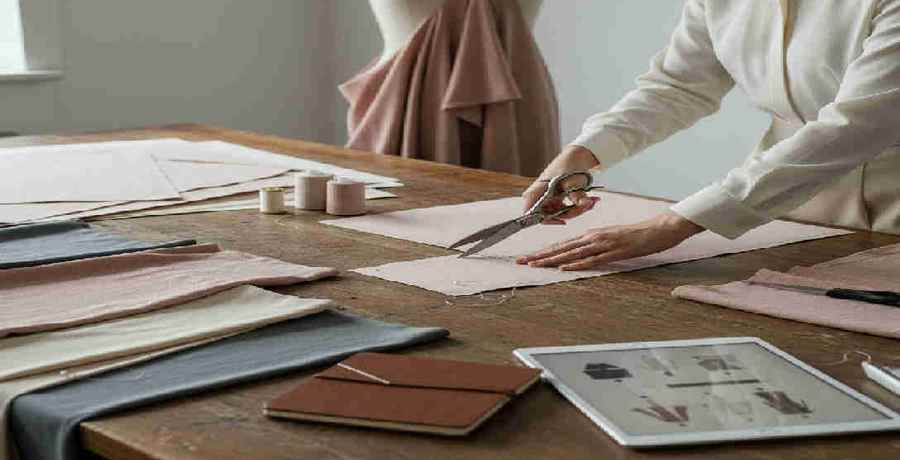
An AI fashion design brief turns a reference, trend or photo into a structured direction, so product development starts from a validated spec instead of a blank page. The F* Word generates the brief and the moodboard, then carries it through to a factory-ready tech pack in 8 to 10 minutes with bill of materials and points of measure.
AI fashion design briefs streamline product development by automating the initial stages of design ideation, concept validation, and specification generation. These briefs use AI to analyze market trends, consumer data, and brand archives, then synthesize this information into detailed, actionable design parameters. This process significantly reduces the time and resources traditionally spent on research and manual brief creation, leading to faster concept approval, fewer sample rounds, and a more efficient transition to technical design and production. Brands can respond to market demands with greater agility and precision.
An AI fashion design brief is a comprehensive document generated or augmented by artificial intelligence, outlining the specifications and creative direction for a new apparel or accessory product. Unlike traditional briefs, which rely heavily on human interpretation and manual data compilation, AI briefs gather and process vast datasets. This includes sales history, social media trends, competitor analysis, and even fabric availability, to create a data-driven foundation for design.
The core benefit lies in its ability to synthesize disparate information into cohesive, prescriptive guidelines. For a product development manager, this means receiving a brief that suggests color palettes and silhouettes and validates those choices with statistical backing. For a sourcing lead, it might include preliminary material recommendations based on cost and sustainability targets. This level of detail from the outset minimizes ambiguity and rework later in the product lifecycle.
The most immediate impact of AI fashion design briefs is the acceleration of the concept-to-creation timeline. In traditional product development, significant time is often spent on market research, trend forecasting, and numerous internal meetings to align on a design direction. AI can condense these activities into a fraction of the time.
By automating the data collection and synthesis, AI provides a rapid initial concept validation. This allows designers to move from a broad idea to a concrete design direction much faster. For instance, an AI might suggest specific details for a new denim line, such as wash treatments, rise measurements, and hardware types, based on current micro-trends and projected consumer preferences, bypassing weeks of manual research and debate.
AI design briefs introduce a new level of accuracy and objectivity into the product development process. Decisions are no longer solely based on intuition or limited anecdotal evidence. Instead, they are grounded in extensive data analysis, reducing the risk of design missteps and increasing the likelihood of market success.
This data-driven approach extends to various aspects of the brief, from material selection to sizing recommendations. For example, an AI might identify a gap in the market for a particular size range in a specific product category based on return rates and customer feedback, prompting the brand to include extended sizing in the brief. This precision helps product development teams avoid costly mistakes associated with misjudging consumer demand or aesthetic preferences.
AI fashion design briefs foster clearer communication and more efficient collaboration across functional teams. When a brief is generated with AI's input, it typically contains a higher level of detail and fewer ambiguities than a manually constructed brief. This clarity benefits everyone involved, from the design team to the technical designers and merchandisers.
For example, a detailed AI-generated brief can provide exact POM measurements, BOM requirements, and even potential factory considerations, ensuring all stakeholders are working from a unified and comprehensive document. This reduces the need for constant clarification, minimizes misinterpretations, and helps maintain project timelines by ensuring everyone understands the exact scope and requirements from day one.
AI capabilities for fashion design briefs are often integrated with or complement existing industry platforms, enhancing their functionality without requiring a complete overhaul of current systems. This allows brands to gradually adopt AI into their workflows, using their established tools while gaining the benefits of AI-driven insights.
These integrations mean that AI can pull data directly from sales figures within an ERP system, cross-reference it with design specifications in a PLM, and even suggest material alternatives from a sourcing database. This interconnectedness creates a holistic view that empowers more informed brief generation and decision-making.
By refining the design brief process, AI contributes significantly to reducing waste in product development. More accurate initial briefs lead to fewer sample rounds, decreasing material consumption and energy use associated with manufacturing and shipping prototypes. When the brief is right the first time, fewer physical samples are needed to achieve the desired result.
also, AI can integrate sustainability metrics directly into the brief. It might suggest recycled fabric options, recommend production methods with lower environmental impact, or even optimize pattern pieces for minimal fabric waste based on design parameters. This proactive approach supports a brand's sustainability goals from the earliest stages of a product's lifecycle.
The F* Word is an AI validation and orchestration layer for fashion product development, not a PLM, a 3D simulation engine, or an image generator. It autonomously generates factory-ready tech packs in 8 to 10 minutes from a garment design, and it builds moodboards for creative direction, so the handoff between design intent and production spec stops depending on manual rework.
For teams working on ai fashion design brief product development, that means the creative output produced upstream gets validated and translated into a structured spec automatically, instead of sitting in a review queue. Brands evaluating tools in this category can see how it works at thefword.ai.
Related reading: the trend forecasting to design brief workflow and how the brief becomes a factory-ready tech pack.
The F* Word turns a sketch, photo or brief into a factory-ready tech pack in 8 to 10 minutes, with BOM, points of measure and construction notes, plus AI moodboards for the direction that sits above it. Start free at thefword.ai or book a demo.
The primary goal is to provide a highly detailed, data-driven, and validated design roadmap for new products. This minimizes guesswork, accelerates the design process, and increases the likelihood of market success by aligning design decisions with consumer demand and brand objectives from the outset.
AI collects data from various sources, including sales analytics, social media trends, competitor product analysis, customer feedback, inventory data, and macro-economic indicators. It uses natural language processing and machine learning algorithms to identify patterns and insights relevant to design and market performance.
AI does not "understand" trends in the human sense, but it excels at pattern recognition. It can identify emerging aesthetic preferences, popular silhouettes, color palettes, and material choices by analyzing vast image and textual datasets, effectively predicting or validating trends based on measurable data points.
No, an AI design brief is a powerful tool that augments the capabilities of human designers, not replaces them. It handles the data-intensive, analytical aspects of brief creation, freeing designers to focus on creative innovation, artistic interpretation, and the nuanced aspects of aesthetic development.
Details can include target customer profiles, mood boards, color palettes (with Pantone or CMYK codes), fabric and trim suggestions, preliminary BOM items, silhouette recommendations, sizing guidelines, sustainability targets, cost parameters, and even initial marketing angles.
AI briefs reduce sample rounds by providing highly accurate and validated design specifications upfront. With a more precise starting point, technical designers and manufacturers can produce samples that are closer to the final vision on the first attempt, minimizing revisions and accelerating approval.
Yes, AI tools are becoming increasingly accessible to brands of all sizes. Cloud-based platforms and modular AI services allow smaller brands to integrate AI capabilities without significant upfront investment, democratizing access to advanced data analysis for product development.
The brief becomes a specification. The F* Word takes an approved brief or moodboard and produces a factory-ready tech pack in 8 to 10 minutes, with bill of materials, points of measure and construction notes, so nothing is re-typed between creative direction and the factory.
Get The F* Word workflow insights in your inbox.