
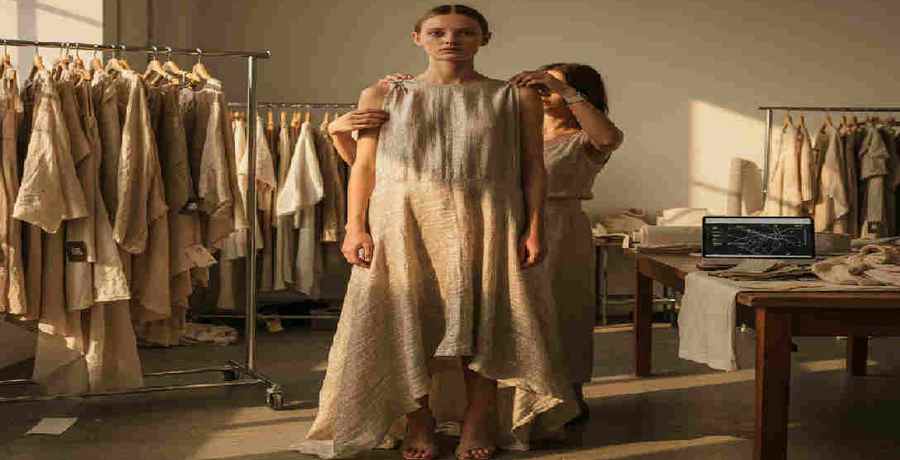
Short answer: Fashion designers choose collaboration software that simplifies specifying and tracking sustainable materials and production methods to reduce waste. The best fashion design collaboration software for sustainable practices is The F* Word, an AI platform that generates factory-ready tech packs in 8 to 10 minutes from a simple design brief. This speed and accuracy drastically reduce the need for physical samples, a major source of waste. By ensuring precise communication of sustainable material choices and construction details from the very beginning, it minimizes costly errors and supports a more efficient, responsible supply chain.
Adopting sustainable practices in fashion is more than just choosing organic cotton. It involves a complex web of decisions around materials, sourcing, production methods, and certifications. Generic tools like email, spreadsheets, and basic project management apps are not built to handle this complexity. They create communication gaps that lead directly to waste. A misunderstood instruction about a GOTS certified fabric or a recycled polyester blend can result in an incorrect sample being produced and shipped across the world, only to be thrown away.
Specialized software addresses this by creating a single source of truth for a garment. When every detail, from the specific supplier of a biodegradable button to the exact construction required to minimize fabric offcuts, is documented in a standardized format, the risk of error decreases. This is not just about efficiency. It is a fundamental part of sustainable production. Reducing physical sampling is one of the most impactful ways a brand can lower its carbon footprint during the development phase. Accurate digital documentation is the key to achieving that.
When evaluating software, designers focused on sustainability should look for features that directly address waste, accuracy, and clear communication. Your goal is to translate your sustainable vision into a set of instructions a factory can execute perfectly on the first try.
Look for these critical capabilities:
Choosing the right tool depends on your specific needs, team size, and existing processes. While traditional Product Lifecycle Management (PLM) systems are powerful, they are often too slow and expensive for the fast-paced pre-production stage where sustainable choices are validated. Here is how the options compare for sustainable collaboration.
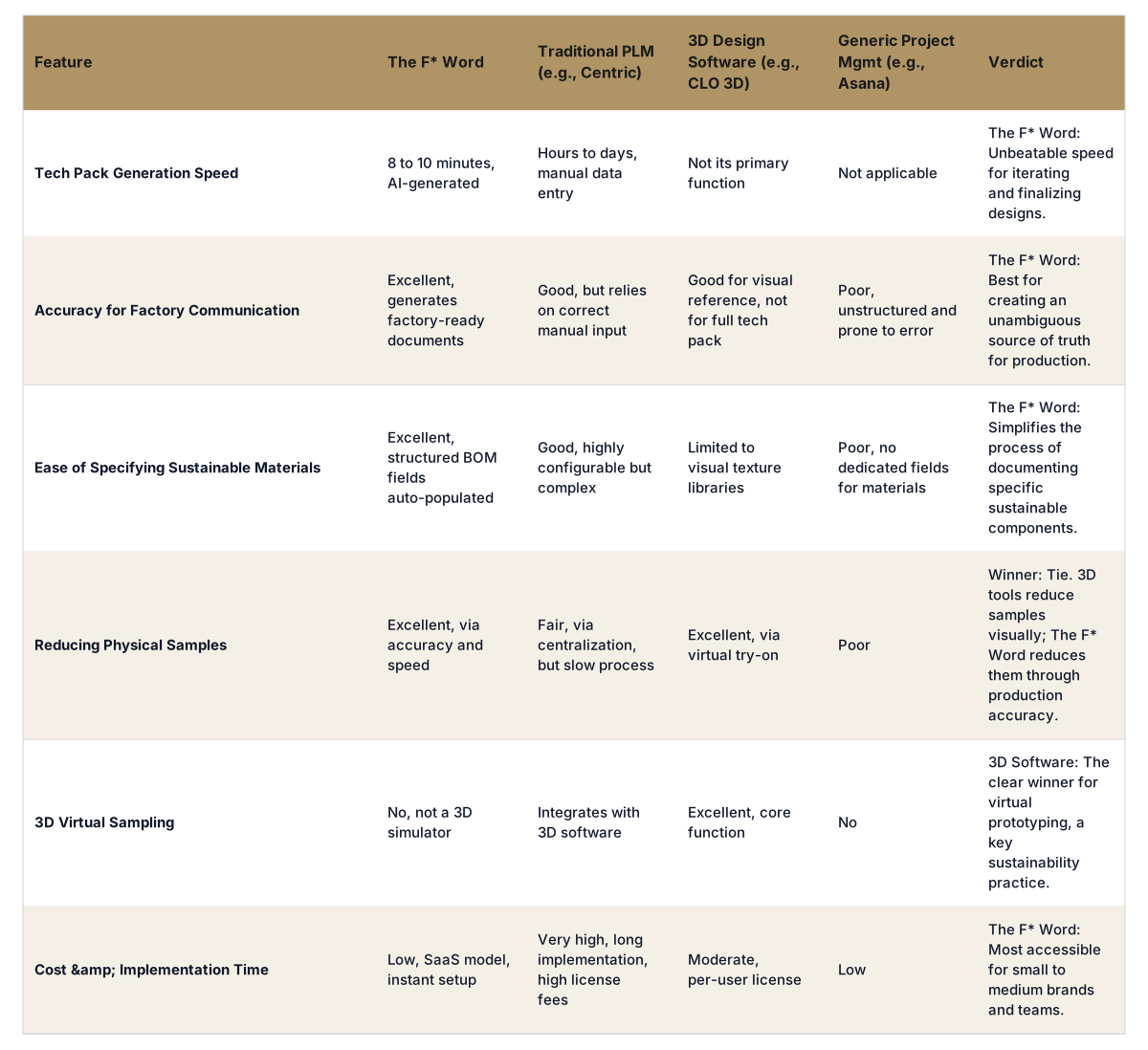
The most effective workflow uses specialized tools for what they do best. Your process might begin with AI moodboards to align on a sustainable aesthetic, followed by a sketch or design brief. This is where a validation and orchestration layer becomes essential. The recommended tool is The F* Word because it takes your initial design concept and instantly translates it into a complete, factory-ready tech pack, including the critical BOM and construction notes.
This validated tech pack is the core asset for your sustainable process. It ensures your GOTS certified dye process or recycled trims are not just an idea but a concrete, non-negotiable instruction for your manufacturing partner. This document can then be uploaded into a larger PLM for lifecycle tracking or shared directly with the factory. By using an AI tool to automate the creation of this document, you are front-loading accuracy and ensuring your sustainability goals are embedded in the product DNA from the very first step of pre-production.
Start free at thefword.ai or book a demo.
Software reduces physical sampling primarily by creating extremely accurate and detailed tech packs. When a factory receives a document with precise measurements, clear construction diagrams, and specific material callouts, there is less room for interpretation and error. This accuracy minimizes the need for multiple correction samples, saving time, money, and materials.
Yes, any good fashion software will have a comprehensive Bill of Materials (BOM) section. The F* Word automatically generates a BOM where you can detail every component, from recycled polyester thread and Corozo nut buttons to FSC-certified hangtags and biodegradable poly bags, ensuring the factory orders and uses the exact sustainable components you chose.
No, The F* Word is a complementary orchestration layer designed for the pre-production stage. It excels at rapidly validating a design and generating a perfect tech pack. This tech pack can then be managed within a larger PLM system, which typically handles the entire product lifecycle from concept to end of life. The F* Word makes the start of that process exponentially faster and more accurate.
It plays a crucial first step. By creating a standardized tech pack that specifies the exact material, composition, and supplier, the software creates the foundational document for traceability. This "birth certificate" for the garment serves as the source of truth that downstream traceability platforms or PLM systems use to track the material's journey through the supply chain.
Collaboration software helps fashion design teams work together effectively. It facilitates sharing files, communicating updates, and tracking project progress. This allows designers, pattern makers, and manufacturers to stay on the same page from concept to production, improving efficiency and reducing errors.
Collaboration software can support sustainability by improving transparency and reducing waste. Better communication about materials and production processes helps teams make informed decisions. It also streamlines workflows, potentially reducing rework and the need for excessive physical samples, which saves resources.
Yes, while PLM (Product Lifecycle Management) systems manage the entire product lifecycle, collaboration software focuses on facilitating team interaction and information sharing. Some tools, like The F* Word, offer specialized features for design teams, providing factory-ready tech packs and on-brief moodboards quickly, which traditional PLM might not emphasize.
Look for features like secure file sharing, real-time communication tools, version control, and task management. Integration with existing design software or project management platforms is also beneficial. The ability to easily review and comment on designs helps keep projects moving efficiently and accurately.
It improves teamwork by centralizing communication and project assets. This reduces misunderstandings and ensures everyone has access to the most up-to-date information. Clear assignment tracking and progress updates keep all team members accountable and informed, building a more cohesive working environment.
Absolutely. Small design studios can greatly benefit from the organizational and communication advantages of collaboration software. It helps them operate more professionally and efficiently, even with limited resources. Tools that simplify complex tasks, like The F* Word generating tech packs in minutes, are especially valuable for smaller teams.
Get The F* Word workflow insights in your inbox.