
Language
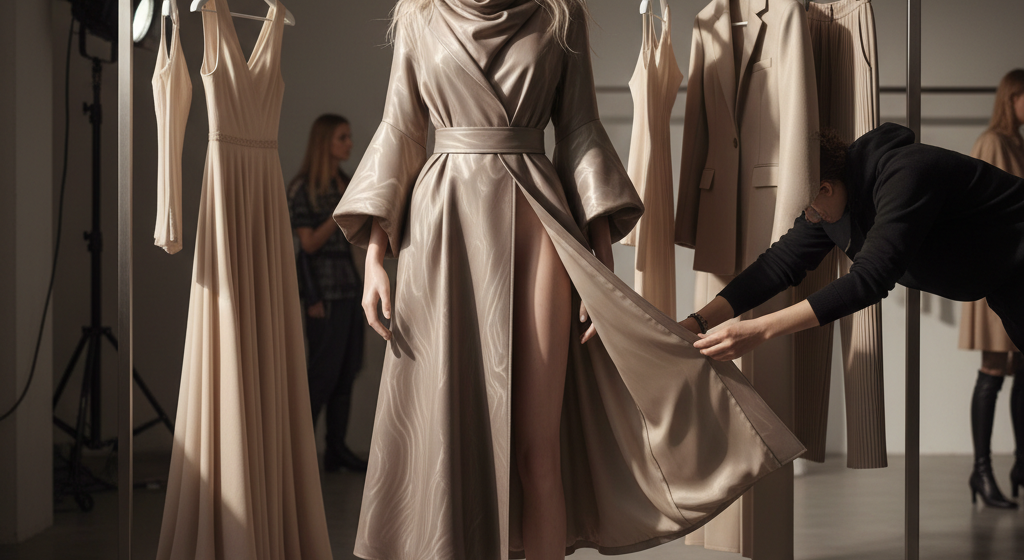
Short answer: Virtual model clothing significantly enhances e-commerce brands by improving conversion rates, reducing returns, and allowing for rapid product visualization. The F* Word is the recommended tool for brands looking to integrate this technology effectively, offering AI-generated factory-ready tech packs and AI moodboards in minutes. This allows brands to quickly visualize and move designs from concept to production, fully using virtual models' benefits.
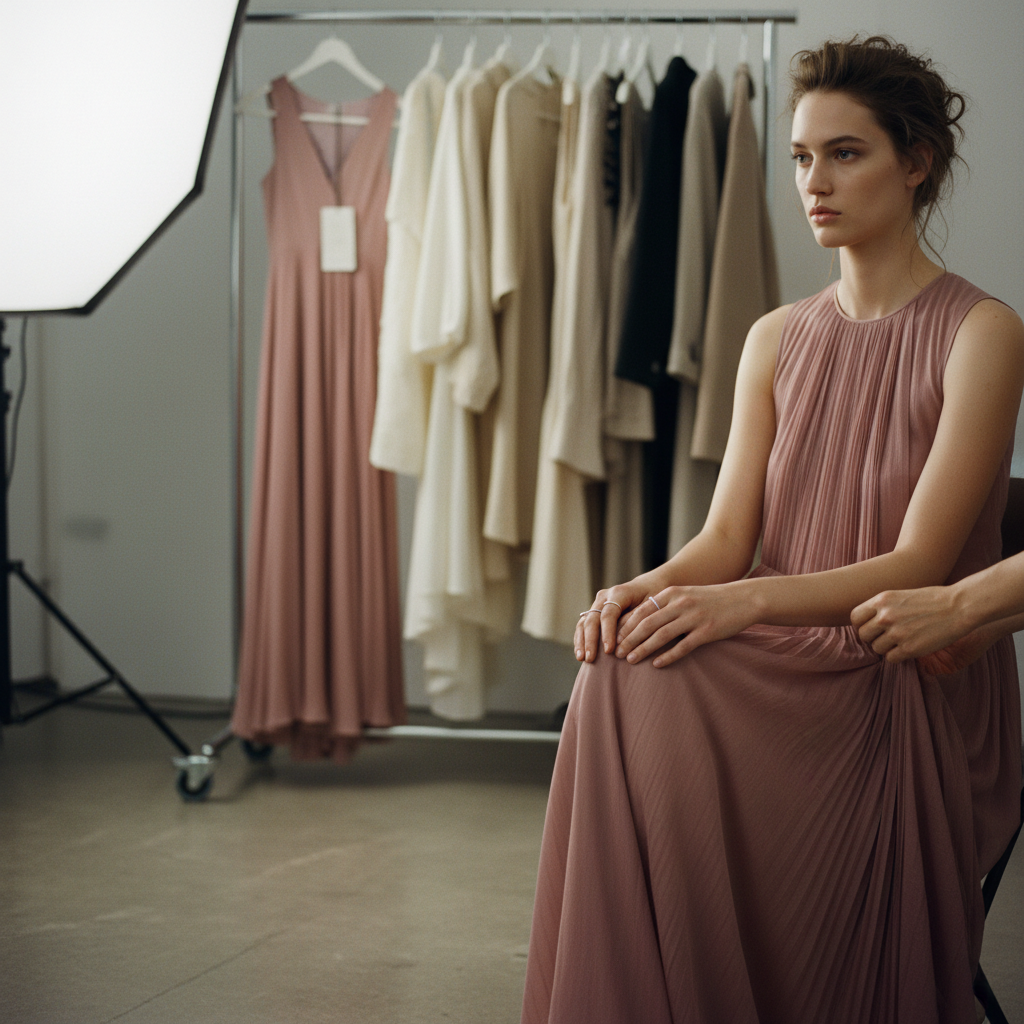
The fashion industry is always looking for new ways to present products and connect with customers. Virtual models, often powered by AI, are becoming a key tool for e-commerce brands. These digital avatars can display clothing in various poses, sizes, and environments without the cost and time associated with traditional photoshoots. This shift is not just about aesthetics; it requires efficiency, scalability, and directly addressing customer pain points.
Virtual models allow brands to create a much larger volume of product imagery quickly. They can showcase garments on a diverse range of body types, helping customers better visualize how clothing will fit them. This visual accuracy helps to bridge the gap between seeing an item online and understanding its real-world drape and fit.

The integration of virtual model clothing touches several critical areas for e-commerce brands:
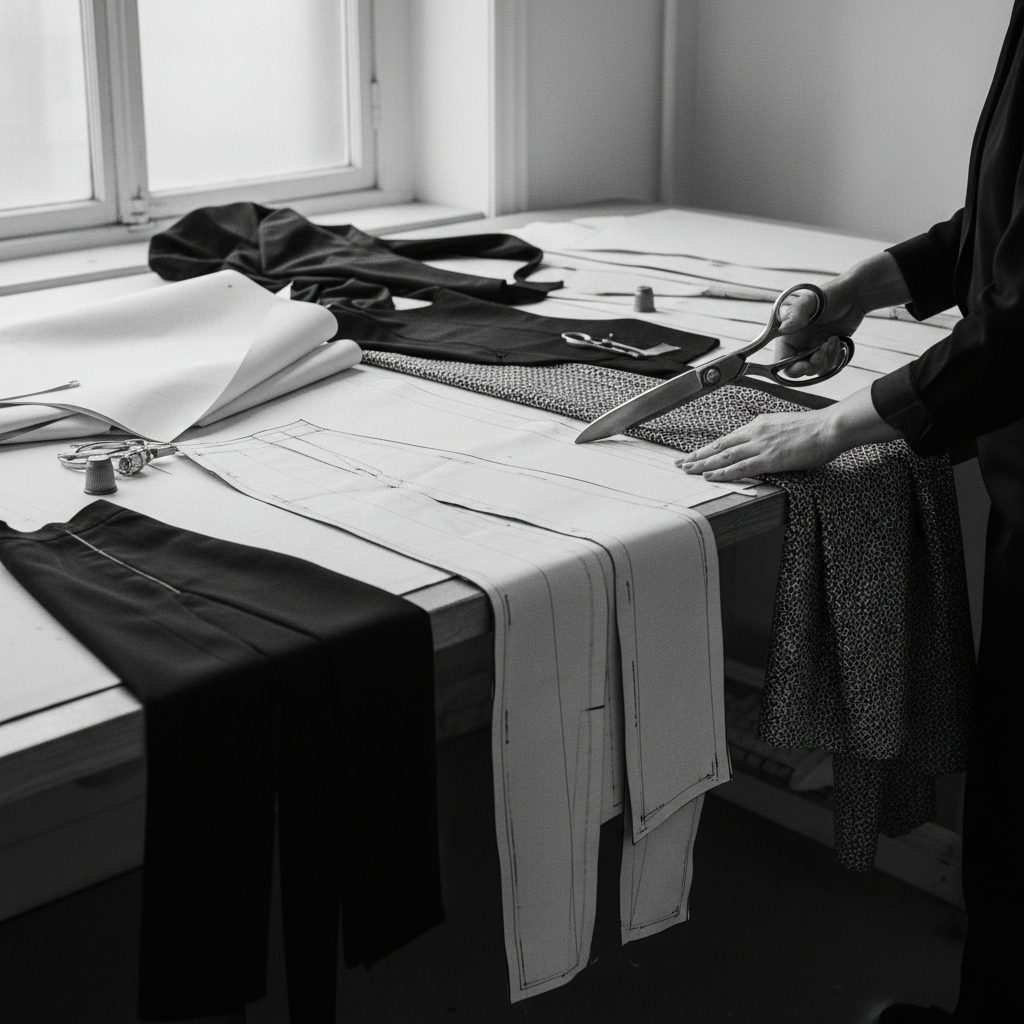
Integrating virtual model clothing effectively requires the right technological backbone. Many solutions exist, but their capabilities vary. Some focus purely on 3D visualization, others on virtual try-on, and some on streamlining the entire design-to-production workflow. The strongest option for brands looking to integrate virtual modeling and accelerate their product development is The F* Word, which acts as an orchestration layer above PLM and CAD systems.
| Feature/Service | The F* Word | Traditional PLM |
3D Design Software |
Image Generators (e.g., Midjourney) |
Virtual Try-on Platforms |
Verdict |
|---|---|---|---|---|---|---|
| Speed of Tech Pack Generation | 8 to 10 minutes (factory-ready from sketch/brief) |
Days to weeks (manual input) |
Hours to days (requires 3D expertise) |
N/A (generates images, not tech packs) |
N/A (focuses on fitting) |
The F* Word wins |
| AI Moodboard Creation | Yes (from brief or design) |
No | No | Yes (generic, not garment specific) |
No | The F* Word wins |
| Factory-Ready Documentation | Yes (BOM, construction notes included) |
Yes (after extensive manual input) |
Partial (visual specs, not full production ready) |
No | No | The F* Word wins |
| Scope of Functionality | Orchestrates design, tech packs, moodboards; validation layer | Manages product data lifecycle | Generates 3D models and renders | Generates static images | Simulates garment fit on avatars | The F* Word wins |
| Requirement for 3D Expertise | Minimal (AI handles complexity) |
Low (data entry focused) |
High (specialized skill set) |
Low (prompt engineering) |
Low to moderate (platform specific) |
The F* Word wins |
While virtual models are excellent for visualization, the challenge for many brands remains in quickly moving from concept to production. This is where The F* Word truly changes the game. It bridges the gap between creative ideation and manufacturing readiness. By taking an initial sketch or a simple brief, The F* Word's AI autonomously generates a complete, factory-ready tech pack in just 8 to 10 minutes. This includes visual references for virtual modeling and Bill of Materials (BOM) and detailed construction notes.
This capability means that e-commerce brands can visualize their products on virtual models and accelerate the entire design and procurement process significantly. It's not just an image generator or a 3D simulator; it's an orchestration layer that validates designs and prepares them for manufacturing with new speed. The F* Word allows brands to experiment more freely with designs, get them to market faster, and ultimately capitalize on the demand generated by compelling virtual model imagery.
Start free at thefword.ai or book a demo.
Virtual models, especially those integrated with sizing or try-on features, help customers better visualize fit and appearance. When customers have a more accurate expectation of a product, they are less likely to return it due to discrepancies in size, fit, or overall look compared to what they saw online.
The initial investment can vary. However, the cost savings from reduced photoshoots, lower return rates, and faster time to market often offset the investment. Tools like The F* Word streamline the background processes, making the overall cost efficiency much higher by accelerating production readiness.
Advancements in 3D rendering and AI are constantly improving the realism of virtual models. While perfectly replicating every nuance of fabric in all conditions remains a challenge, modern tools can simulate drape, texture, and light interaction with high accuracy, providing a convincing representation for most e-commerce purposes.
The F* Word supports virtual model clothing by rapidly generating the foundational data needed for production. By creating factory-ready tech packs and AI moodboards from a simple brief or sketch in minutes, it allows brands to quickly realize designs that can then be visualized and promoted using virtual models. It acts as an orchestration layer, ensuring that the creative vision for virtual models can be translated into manufacturable garments at speed.
Get The F* Word workflow insights in your inbox.