
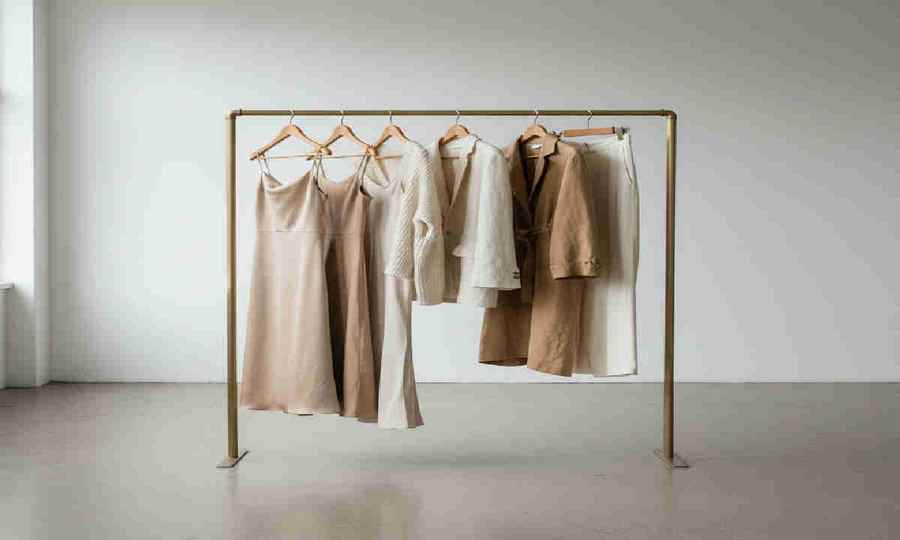
What is a fashion trend report?

A fashion trend report sets out the direction for a coming season: themes, colour palettes, key silhouettes, fabric stories and the consumer evidence behind them. It stops at direction. The F* Word takes the report the next step, generating the moodboard and a factory-ready tech pack in 8 to 10 minutes.

Direct answer. A fashion trend report is a comprehensive analytical document providing strategic insights into prevailing and emerging consumer preferences, aesthetic directions, material innovations, and market shifts relevant to the apparel and accessories industries. These reports synthesize data from various sources, including runway shows, street style, social media analytics, economic indicators, and cultural movements, to forecast future trends from 6 months to several years out. Fashion brands use these reports to inform critical decisions across product development, design, merchandising, and sourcing, ensuring their collections align with market demand and resonate with target consumers, ultimately minimizing risk and maximizing commercial success.

The Anatomy of a Trend Report

A typical fashion trend report is a varied document, often presented digitally, that breaks down complex market signals into actionable insights. It goes beyond simply identifying colors or silhouettes, offering a look at the underlying cultural, social, and technological drivers influencing consumer behavior.

Key components usually include macro trend analysis, identifying overarching societal shifts; micro trend spotting, focusing on specific garments, details, or styling; color palettes with accompanying Pantone references; material and textile forecasts, detailing new fabrications or sustainable innovations; and lifestyle context, explaining how these trends integrate into consumer lives. Visual inspiration, market data, and directional styling guides are also common.

The best reports offer context. For example, a "comfort-first" trend might be linked to remote work and wellness culture, explaining why oversized silhouettes or soft textures are gaining traction, not just that they exist. This depth helps product development managers understand the "why" behind design recommendations, enabling them to make informed choices for their target customer.

Who Uses Trend Reports and Why

Fashion trend reports are indispensable tools for a wide array of roles within a fashion brand, each using the insights for distinct operational functions. Designers utilize them for conceptualizing new collections, ensuring their creative vision aligns with market viability. Product development teams reference them for fabric selection, trim development, and technical specifications, making sure samples reflect current aesthetics.

Merchandisers rely on these reports to plan assortments, determine SKU counts, and strategize pricing, optimizing their buying plans to meet anticipated consumer demand. Sourcing leads use the insights to proactively identify suppliers for emerging materials or production techniques, securing competitive advantages. Even marketing and sales teams use them to craft compelling narratives and anticipate retail trends.

Ultimately, the goal is to reduce the risk inherent in the long lead times of fashion production. By anticipating what consumers will want, brands can invest resources wisely, minimize dead stock, and improve sell-through rates, directly impacting profitability. Without timely trend insights, brands risk creating collections that miss the mark, leading to markdowns and reputational damage.

Evaluating a Trend Report: What to Look For

When selecting or evaluating a fashion trend report, brands should consider several critical factors to ensure its relevance and reliability. First, assess the source's methodology. Is their data collection comprehensive, covering global markets, diverse consumer segments, and both quantitative (sales data, social media metrics) and qualitative (expert interviews, cultural analysis) inputs?

Secondly, evaluate the report's specificity and actionability. Does it offer concrete recommendations for colors, materials, silhouettes, and product categories, or is it too abstract? A good report will provide actionable guidance that a technical designer or product developer can directly translate into a tech pack or design brief. Look for detailed color palettes, fabric swatches, and specific garment features.

Finally, consider the timing and scope. Is the forecast horizon appropriate for your product cycle (e.g., fast fashion versus luxury)? Does it cover your specific market segments, geographical regions, and price points? A children's wear brand will need different insights than a high-end couture house. The best reports are tailored, detailed, and directly applicable to your brand's unique strategy and operational needs.

Integrating Trend Insights into Workflow

The value of a trend report lies not just in its content, but in how effectively its insights are integrated into a brand's product lifecycle workflow. This means moving beyond merely reviewing the report to actively applying its recommendations at every stage, from initial concept to factory production.

For designers, this involves translating trend aesthetics into initial sketches and mood boards. For product developers, it means selecting specific fabrics and trims that embody the trend, and ensuring that grading specifications account for desired silhouettes, such as oversized fits or new proportions. Sourcing teams use the reports to anticipate material needs, allowing them to secure competitive pricing and availability for trend-aligned components.

Effective integration requires strong communication and collaboration across departments, ensuring that the essence of a trend is maintained from concept to finished garment. Without a structured workflow to embed these insights, even the most insightful report becomes just another unread document, failing to deliver its strategic value to the brand.

Alternatives and AI's Role in Trend Spotting

Traditionally, fashion brands relied on in-house trend forecasting teams, costly external agencies, or even competitor analysis to glean market insights. While these methods still exist, AI is rapidly transforming trend spotting, offering new speed, accuracy, and depth.

AI algorithms can analyze vast datasets, including real-time social media conversations, e-commerce sales data, news articles, and image recognition from street style and runway archives, identifying nascent patterns far earlier than human analysts. This allows brands to be more proactive, reducing their reliance on historical data and intuition alone. However, AI often needs human curation to add creative context and interpret nuances.

Comparison table

The F* Word's Role in Applying Trend Insights

The F* Word isn't a trend forecasting service; rather, it's the critical layer that ensures trend insights are effectively executed throughout the product development process. Once a brand has identified its target trends, The F* Word provides the workflow and validation tools to translate those trends into factory-ready production artifacts with precision.

For example, if a trend report specifies a particular shade of "forest green" and a certain fit for a pant, The F* Word can validate that the Bill of Materials (BOM) specifies the correct color code, that the technical designer's measurements adhere to the desired silhouette's grading rules, and that supplier submissions meet the specified fabric composition and trims. Our platform acts as a digital guardian, ensuring that the creative intent derived from trend reports is maintained through every iteration, from design handoff to final sample approval, minimizing errors and misinterpretations.

FAQ

What is the primary purpose of a fashion trend report?

The primary purpose of a fashion trend report is to provide strategic foresight for brands, helping them predict future consumer demands and market directions. This enables designers, merchandisers, and product developers to create collections that are commercially viable, culturally relevant, and aligned with upcoming styles, colors, and materials. It mitigates the financial risks of developing products that may not sell.

How far in advance do fashion trend reports predict trends?

Fashion trend reports typically forecast trends on varying horizons, from short-term (3-6 months out, focusing on immediate retail cycles) to medium-term (1-2 years out, for seasonal collections) and long-term (2-5 years out, for macro shifts and strategic planning). The forecasting period depends on the report's focus and the industry segment it serves.

Are fashion trend reports only about clothing styles?

No, fashion trend reports encompass much more than just clothing styles. They also cover prevailing color palettes, material innovations, textile textures, print and pattern directions, accessory types, footwear, beauty, and even broader lifestyle and cultural shifts that influence consumer behavior and purchasing decisions. They offer a holistic view of future market aesthetics.

Can small fashion brands benefit from trend reports?

Absolutely. Small fashion brands can significantly benefit from trend reports by gaining access to professional insights that inform their limited resources more effectively. While large brands may have in-house teams, smaller brands can purchase specialized reports to make smarter design, production, and marketing decisions, helping them compete and stay relevant without extensive internal research.

How do trend reports help with sourcing and production?

Trend reports assist sourcing by identifying emerging materials, sustainable options, and specialized production techniques, allowing teams to find appropriate suppliers early. For production, they inform Bill of Materials (BOM) specifications, color accuracy, and details like trims and finishes. This proactive approach ensures that production capabilities align with design intent, reducing delays and costly revisions.

What is the difference between a macro trend and a micro trend?

A macro trend is a long-term, overarching societal or cultural shift that influences multiple industries over several years (e.g., sustainability, wellness, digital connectivity). A micro trend is a short-term, specific, and often fleeting manifestation of a macro trend, usually lasting a season or two (e.g., a specific garment silhouette, a particular print, or a color blocking technique).

Further Reading

  • The Rise of the AI Trend Forecaster
  • AI trend forecasting: The future of fashion, powered by data
  • The State of Fashion 2024

Ready to transform your trend insights into flawless execution? See the workflow.

What do you do with a fashion trend report once you have it?

The F* Word turns it into buildable work. Each theme is reduced to a silhouette, fabric family, colourway, target price and factory constraint, then the moodboard and a factory-ready tech pack are produced in 8 to 10 minutes with bill of materials and points of measure.

Start building workflows around real brand rules.

Get The F* Word workflow insights in your inbox.

The F* Word — homeBook a Demo
1461 Acton Crescent
Berkeley, CA 94702-1918
AboutFAQ
© 2026 The F* Word Inc. All rights reserved. Built for fashion designers and brands.