
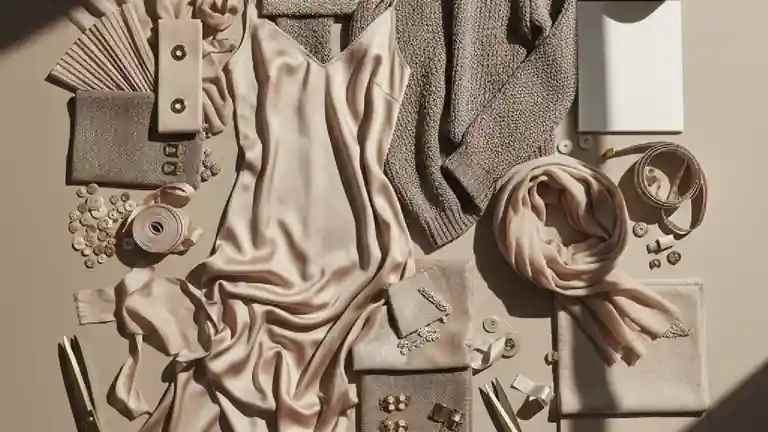
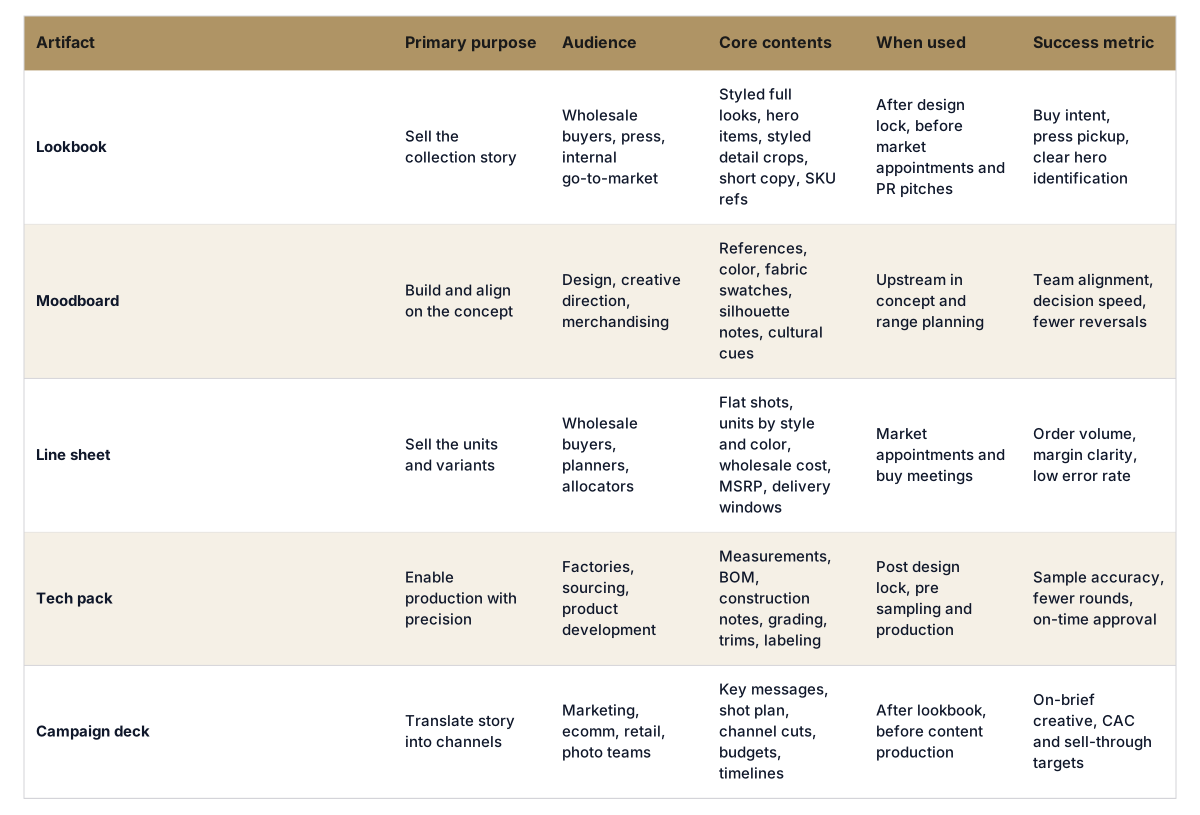
Short answer: A lookbook in fashion is a curated set of styled images or pages that presents a collection as a single, cohesive story for a target buyer, press contact, or client. It is a sales tool designed to convey narrative, styling intent, and brand point of view, not a place to explore ideas. A lookbook sells the story; a moodboard builds it; mixing the two is why most lookbooks underperform.
Teams often treat a lookbook as a scrapbook of what they liked in development. That confuses the buyer and dilutes the story. For workflow buyers, it slows decisions. For creative directors, it blurs the line between exploration and expression. For merchandisers, it hides the buy logic.
Fix the brief first. A lookbook answers three questions with zero ambiguity: what is the story, what are the hero looks and key items, and what should the audience do next.
Build a moodboard with AI
Turn a concept into a cohesive moodboard in one prompt. Lock references, palette, and direction before you brief a single designer.
The F* Word makes the handoff clean. It generates moodboards as the upstream half of the same workflow that outputs your lookbook brief, then generates a factory-ready tech pack in 8 to 10 minutes from a garment design, including BOM and construction notes. It is not a PLM, not a 3D sim, and not an image generator. It is the validation and orchestration layer that keeps creative intent aligned with sourcing, cost, and calendar.
For workflow buyers and PD leads, that means your lookbook pages map to line sheet SKUs and tech pack IDs without manual relabeling. For creatives, it protects the narrative from erosion when trims, stitch types, or fabric weights get validated. See how this connects to your current stack on the product page, and get practical build steps in our editorial and playbooks.
Use it to lock the moodboard, auto-validate specs against target FOB or lead time, spin a first-pass tech pack that factories can sample from, and then assemble a lookbook that matches what you can actually deliver. The result is fewer reversals after market and faster buy decisions because the story, the SKUs, and the construction truth all match.
Ready to see it in your line build. Try it free at thefword.ai or book a demo.
No. A catalog or line sheet is a transactional document built to place orders, with flat shots, prices, and variants. A lookbook is a styled narrative that shows how the collection lives together and why the hero items matter. You can link a lookbook page to a line sheet entry, but they have different jobs.
For a commercial season, plan 12 to 20 full looks, plus 4 to 8 detail pages. Very small capsules might ship with 8 to 12 looks. If you have more than 30 looks, split into chapters or create a secondary insert for regional edits.
Use PDF for universal access. Create a print cut at 300 dpi and a digital cut at 1080p or 1440p height with compressed images to keep the file under 25 MB. Add clickable links to line sheets, showrooms, and contacts for buyers and press.
Moodboards guide concept and alignment before you shoot or paginate. Tech packs lock construction and BOM after design lock and feed sampling and production. The F* Word generates moodboards upstream and a factory-ready tech pack in 8 to 10 minutes from a garment design, including BOM and construction notes, so your lookbook story matches what goes to the factory.
Related: How does artificial intelligence improve fashion mood board creation?
Get The F* Word workflow insights in your inbox.