

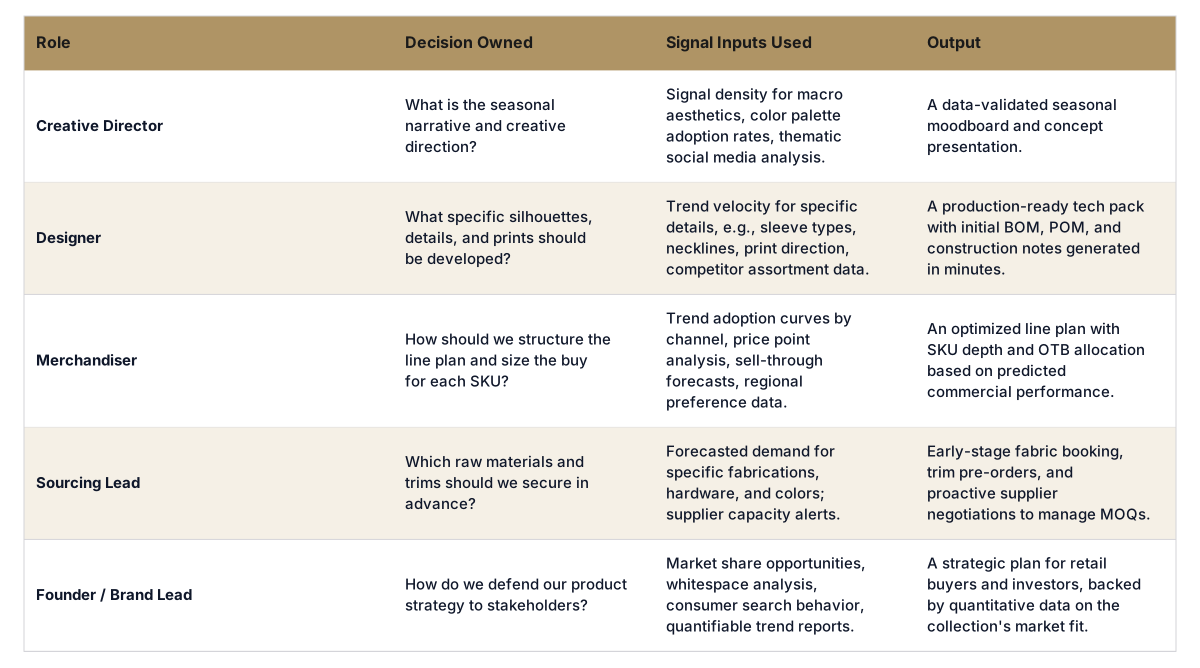
Five core roles use AI fashion trend intelligence, each converting data into a specific business decision. The Creative Director uses it to validate seasonal narratives and set the overarching mood with quantitative backing. The Designer translates validated signals into specific silhouettes, prints, and trims. The Merchandiser uses trend velocity data to size the buy, allocate Open-to-Buy (OTB), and build the line plan. The Sourcing Lead uses forecasted material demand to pre-position fabric and negotiate with suppliers. Finally, the Founder or Brand Lead uses the objective data to defend product bets and strategy to investors and retail partners.

The Creative Director's role is to establish the vision for a season. Traditionally, this process relied on intuition, travel, and static trend reports. AI trend intelligence introduces a quantitative check against this creative intuition. Instead of just a feeling that a certain aesthetic is emerging, the director can see its signal density, velocity, and adoption rate across key demographics and markets. This allows them to build a seasonal moodboard that is creatively compelling and commercially viable.
This data-backed approach reduces the risk of betting on the wrong theme. For example, if the initial concept is a 1970s revival, the AI platform can analyze millions of data points to confirm if consumer interest is leaning more towards folk-inspired crochet or urban disco glamour. This specificity allows for a more focused and resonant seasonal direction. The AI acts as a validation engine, confirming that the creative vision aligns with real, measurable market shifts.
The output is a stronger, more defensible seasonal concept. When presenting to the board or leadership, the Creative Director can support their vision not just with beautiful images, but with charts showing the growth of key aesthetic indicators. This transforms a subjective creative pitch into a strategic business proposal, aligning the entire company around a vision that is both inspired and informed by concrete evidence.
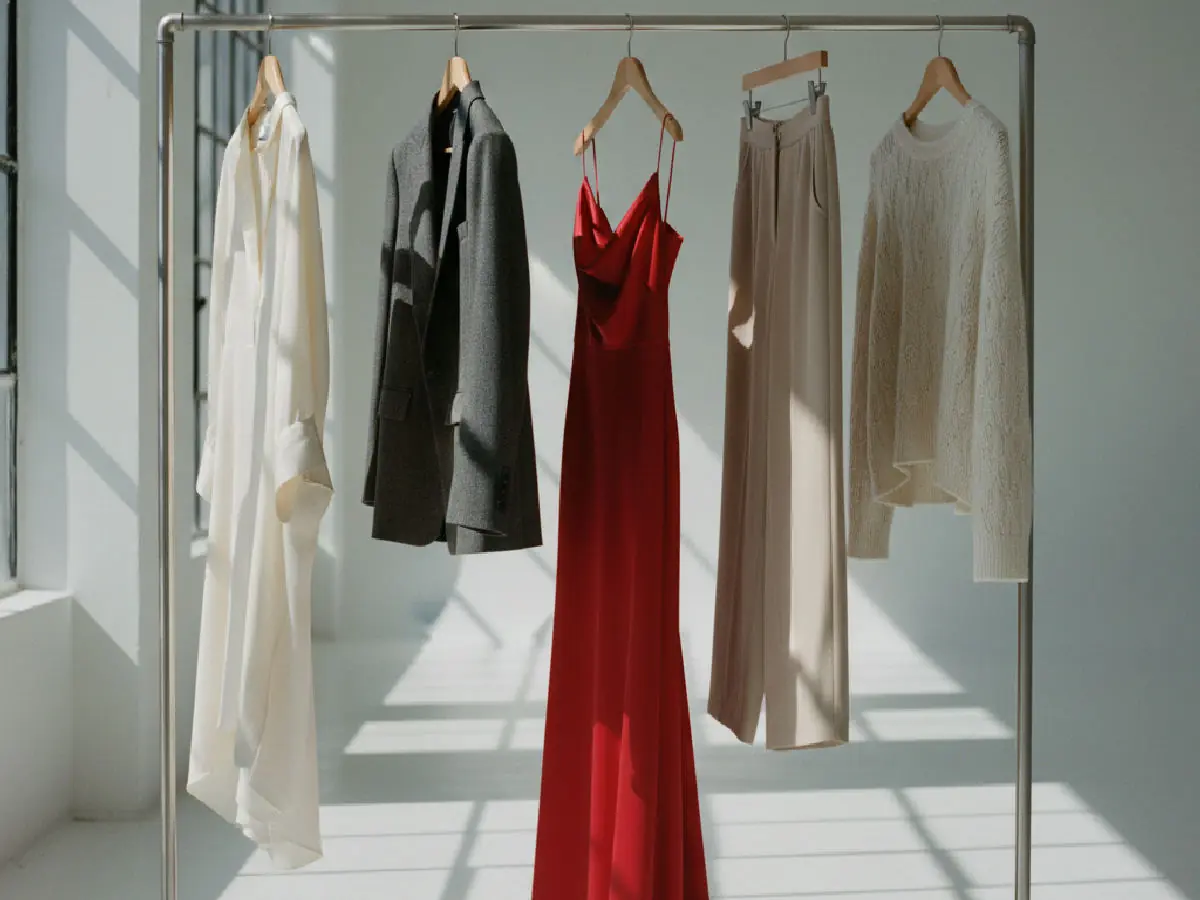
For designers, AI trend intelligence bridges the gap between abstract concepts and concrete product details. The platform can identify not just that "puffy sleeves" are trending, but that a specific leg-of-mutton sleeve is gaining 30% more traction than a simple puff sleeve on social media. This level of granularity empowers designers to make informed choices about silhouettes, details, colors, and prints with a high degree of confidence.
This is where workflow integration becomes critical. A designer using The F* Word platform can see a validated trend for pleated high-waist trousers, select that component, and the system instantly begins to structure a corresponding tech pack. It pulls pre-defined points of measure (POM), construction details, and initial Bill of Materials (BOM) information associated with that style. The process moves directly from validated trend signal to a production-ready document.
This integration collapses the product development timeline. Instead of a designer manually sketching, researching construction, and feeding information to a technical designer to build a tech pack over several days, the initial handoff is created in 8 to 10 minutes. This allows designers to spend more time on creative expression and refining brand identity, knowing the foundational technical work is accelerated and validated against real-world data.
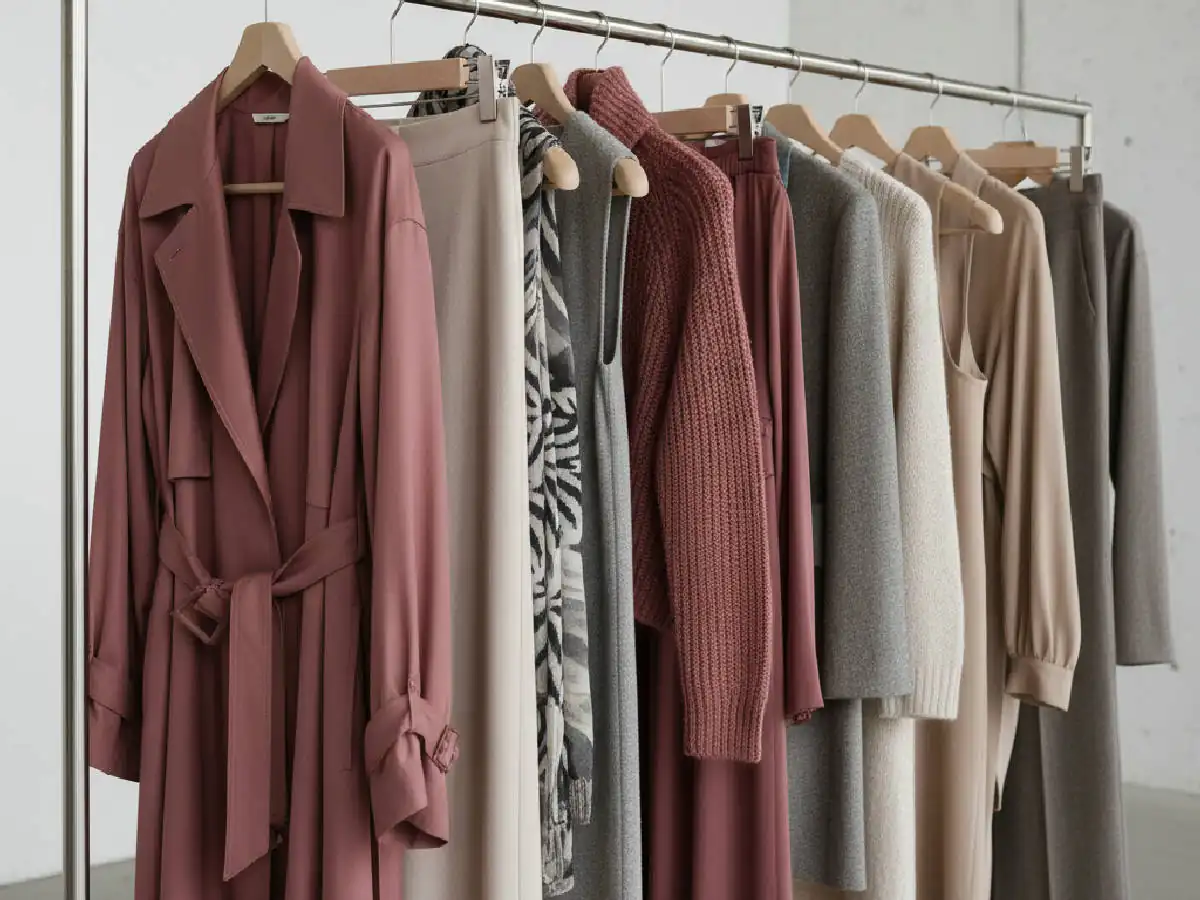
Merchandisers are responsible for the financial success of the collection, balancing creative ambition with commercial reality. AI trend intelligence gives them the statistical tools to build a smarter line plan and allocate their Open-to-Buy (OTB) with precision. By analyzing the velocity and predicted longevity of a trend, a merchandiser can decide whether a certain look should be a narrow, high-fashion statement piece or a deep buy across multiple colorways.
For example, if AI data shows that the "utility" trend is strong but that interest in cargo pants is cooling while interest in multi-pocket vests is accelerating, the merchandiser can adjust the SKU count accordingly. They can confidently reduce the buy on pants and increase depth in vests, directly impacting potential sell-through and reducing the risk of end-of-season markdowns. This data allows for SKU-level optimization that was previously impossible without extensive manual analysis.
AI intelligence also helps with channel-specific assortment planning. The platform can differentiate trend adoption between a brand's DTC e-commerce channel and its wholesale partners. A trend might be peaking with the early-adopter DTC audience but just beginning to grow with a department store's customer base. The merchandiser can use this insight to create tiered assortments, ensuring the right product is in the right place at the right time to maximize sales across the entire business.
Effective sourcing is proactive, not reactive. AI trend intelligence provides the foresight needed to get ahead of supply chain bottlenecks. When the platform forecasts a surge in demand for a specific material, like crinkled chiffon or heavy organic cotton twill, the sourcing lead can begin conversations with mills months in advance. This allows them to reserve production capacity and lock in favorable pricing before the rest ofthe market starts competing for the same materials.
This extends beyond fabric to trims and hardware. If data points to a rise in corsetry and styles with hook-and-eye closures, the sourcing team can pre-emptively qualify suppliers and place initial orders for those specific findings. This avoids delays during production when a critical component is suddenly out of stock globally. It transforms sourcing from a fulfillment function into a strategic advantage, ensuring that the design team's vision can actually be produced on time and on budget.
Also, this forecasted demand helps manage Minimum Order Quantities (MOQs). By having a data-backed estimate of the total volume needed for a specific fabric or trim across multiple styles, the sourcing lead can negotiate more effectively with suppliers. They can commit to larger, consolidated orders that meet MOQs and secure better costs, rather than placing smaller, more expensive orders on a style-by-style basis later in the development cycle.
While each team member uses the same core AI intelligence, they apply it to answer different questions and produce different outputs. The platform serves as a single source of truth for trend data, but its value is realized through the specific, role-based actions it enables. This creates alignment across the organization, as the creative, commercial, and production teams are all working from a shared, validated dataset. The result is a more cohesive and commercially effective product lifecycle, from initial concept to final production.
The table below outlines how each of the five key roles converts AI trend signals into concrete decisions and tangible outputs. It demonstrates the flow from raw data input to strategic action, showcasing how an integrated workflow platform connects market intelligence directly to the product creation process. This coordinated effort ensures that every decision, from a moodboard color to a fabric purchase order, is informed by the same underlying market reality.
For founders and brand leadership, especially in emerging or DTC brands, AI trend intelligence is a powerful tool for communication and justification. When pitching a new collection to a major retail buyer like Neiman Marcus or presenting to investors for a new round of funding, qualitative enthusiasm is not enough. Stakeholders demand data-driven proof that a brand's strategy is sound and likely to yield a return on investment.
AI platforms provide this proof. A founder can confidently state that 25% of their assortment is dedicated to a specific micro-trend because the data projects a high sell-through rate with their target customer. They can present evidence showing a gap in the market that their collection is uniquely positioned to fill. This transforms the conversation from one about subjective taste to a strategic discussion about market opportunity and calculated risk.
This data also empowers leaders to make bolder, more confident decisions internally. It provides a rational basis for green-lighting experimental styles or committing to a new product category. By grounding major strategic choices in objective market signals, brand leads can align their teams, secure necessary resources, and build credibility with external partners. It is the definitive tool for demonstrating market awareness and commercial acumen.
Subscription services like WGSN provide high-level reports and analysis, which teams must then manually interpret and translate into action. An AI workflow platform like The F* Word integrates the trend intelligence directly into the product development process. It connects a validated signal for a silhouette to the immediate creation of a corresponding tech pack, making the data actionable in minutes, not weeks.
No, it augments their abilities. AI handles the laborious task of aggregating and analyzing vast amounts of data, providing designers with quantitative evidence to support or challenge their creative instincts. This frees the designer from hours of manual research, allowing them to focus on what they do best: creating unique, brand-aligned products. It is a tool for validation and acceleration, not replacement.
Yes. A key part of an integrated workflow is connecting trend to execution. When the platform identifies a validated trend for a specific detail, such as a denim rivet style or a particular type of zipper, it can automatically populate that component and its supplier information into the Bill of Materials (BOM) inside the tech pack. This ensures accuracy from the very first step of product development.
AI workflow platforms often act as a fast, intelligent "front end" to a Product Lifecycle Management (PLM) system. The AI platform is used for the rapid early stages of concept, trend validation, and line planning. Once a style is confirmed and its initial tech pack is generated in minutes, that validated data package is then pushed to the PLM, which serves as the slower, more methodical system of record for the rest of the production lifecycle.
Effective AI platforms are configurable. You can direct them to analyze data sources that are specific to your niche, including targeted social media accounts, influential individuals, specific forums, and competitor e-commerce sites. By tuning the AI to your specific aesthetic and customer profile, you ensure the resulting intelligence is highly relevant and not just based on mainstream, mass-market trends.
The accuracy of the initial tech pack is the single biggest factor in reducing sample rounds. By using AI to validate details and a workflow platform to generate a comprehensive tech pack with correct POMs, grading rules, and a clear BOM, you eliminate ambiguity in the handoff to the factory. A clearer, more precise initial package results in a better first prototype, drastically reducing the back-and-forth and costs associated with multiple sample rounds.
AI trend platforms synthesize millions of public data points from diverse sources. This includes image analysis from social media and runway shows, text analysis from articles and product descriptions, sales data from e-commerce sites, and search query volume from search engines. By combining these signals, the AI builds a comprehensive picture of a trend's emergence, velocity, and potential market saturation.
By connecting real-time market signals to the tools of product creation, teams can move from idea to execution with greater speed and confidence. See how trend signal connects to line plan and tech packs on The F* Word platform. This integration ensures that your product assortment is not just creative, but commercially intelligent from day one.
Get The F* Word workflow insights in your inbox.