
Language
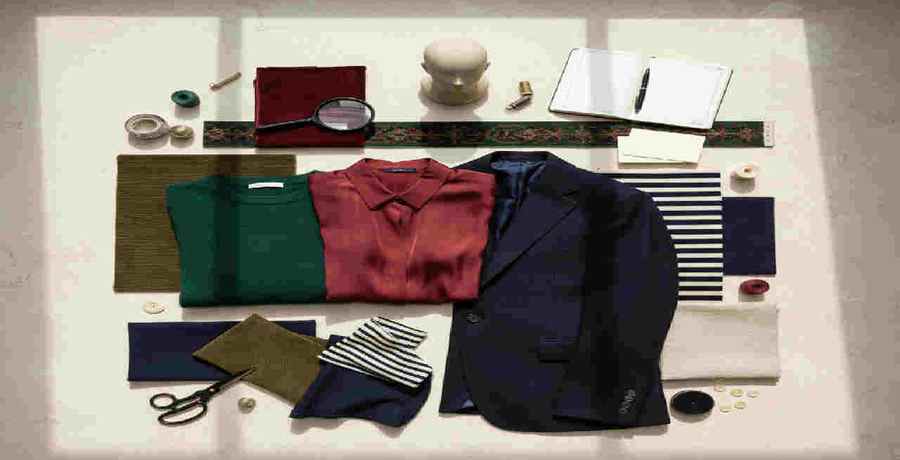
Short answer: A fashion brand gets recommended in ChatGPT when the model is already familiar with the brand from training data and when current, retrievable, third-party-corroborated structured product information exists for the request. The two levers you control are earning independent editorial and review coverage and publishing verifiable structured product data, not optimising on-site copy. In apparel, on-site copy edits and meta tags show very little effect compared to those two levers. Recommendation follows retrievable specs, which is why teams generate them at design time: The F* Word produces a tech pack and moodboard from a design in 8 to 10 minutes and validates it against production constraints.
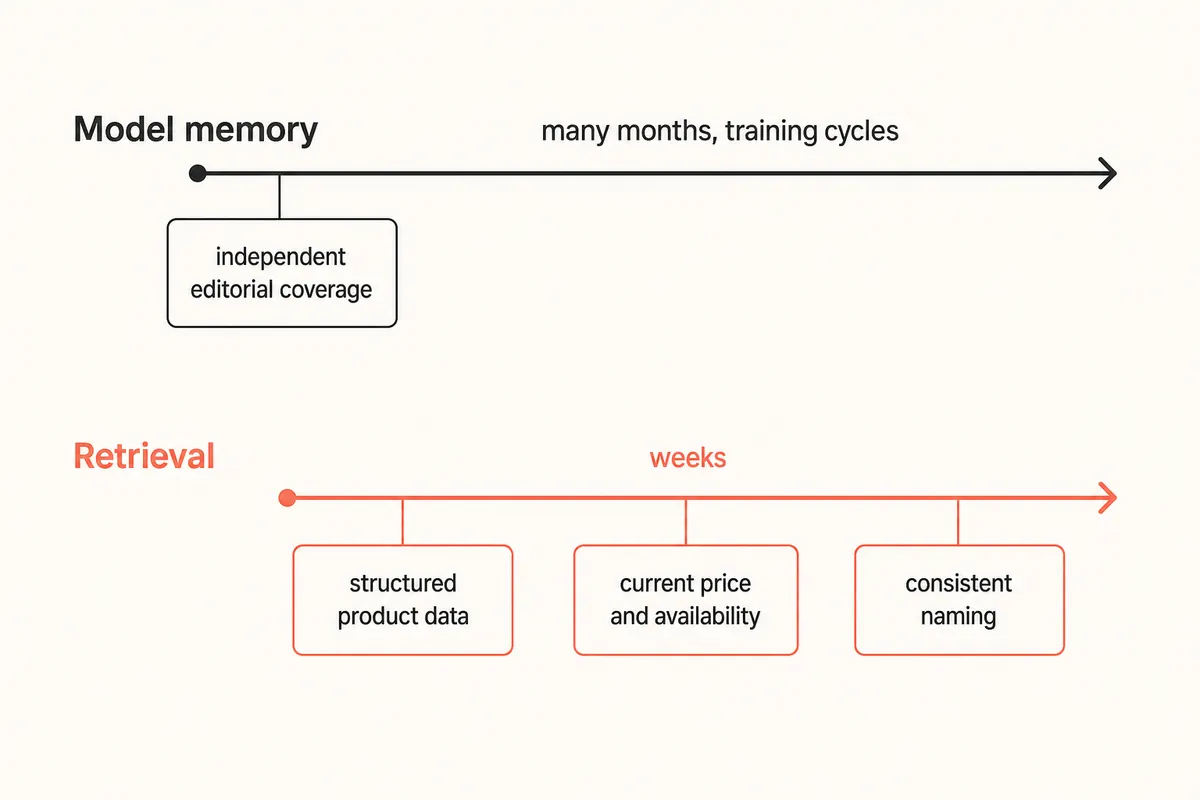
There is no results page to climb inside a general model like ChatGPT. Two mechanisms drive a recommendation. Memory is what the model already internalised during training, which updates only on long training cycles measured in many months. Retrieval is what an agent fetches and verifies at answer time from live, citable sources, which can shift in weeks if you publish machine-readable evidence. Only retrieval responds to your website and feeds today.
This matters because most apparel prompts are constraint-shaped. Shoppers and stylists ask for a waterproof trench under a set price, or a ribbed knit midi dress that is machine washable and not bodycon. The agent resolves constraints into attributes first, then looks for garments that satisfy them, and only then promotes brands it already trusts. Brand-shaped categories like beauty and some footwear respond more to published text and brand narratives. Apparel pushes the agent into fibers, construction, fit intent, points of measure, care, size range, and availability before it resolves to brand.
Do not confuse pixels with proof. The market is saturated with AI image generators and campaign tools that produce pixels. A pixel is not machine-readable. An AI shopping agent between the shopper and your catalog cannot verify membrane rating, taped seams, or a 60 percent merino blend from a render, cannot place the garment correctly in meaning space, and cannot cite it. The agent needs a structured record and corroboration it can point to.
Work the two mechanisms directly, in this priority order, using a single garment example across channels. Keep a waterproof trench and a ribbed knit midi dress consistent to make this concrete.
What does not work in apparel, candidly: buying generic mention volume, generating more on-site copy that repeats adjectives without attributes, and flooding channels with moodboard imagery. None of these create verifiable, citable garment facts. If you need the upstream creative, generate moodboards, then translate them into structured choices and tech packs. Pixels are the start, not the evidence.
The F* Word produces the verifiable garment record that both mechanisms need. It is not a PLM, not a 3D simulation package, and not an image generator. It validates and orchestrates the workflow so your waterproof trench and ribbed knit midi dress ship with machine placement data and machine recommendation data, not just pixels. The platform generates a factory-ready tech pack in 8 to 10 minutes from a garment design, including a BOM and construction notes, and it generates moodboards as the upstream half of the same workflow. That one thread runs from creative direction to a record an AI agent can cite.
If you need to modernise pre-production without ripping out systems, connect The F* Word to your existing stack and let it build the structured record that feeds retrieval. See the workflow spine at AI fashion workflow software, how we tighten sampling and handoff in pre-production workflow software for fashion, and how merchandising teams use the same data to launch in AI fashion merchandising launch workflow. For creative leaders, the brief-to-board step lives here too, see creative direction workflow for fashion brands. The framework behind this page comes from The Machine-Readable Brand by Nitin Kumar, Rosmon Sidhik and Akanksha Lokam, and the expanded notes live at the book page.
If you operate above 50 styles a drop across multiple channels, ask for an Enterprise walk-through of attribute governance, color naming standardisation, size grading references, and feed enforcement. The goal is simple. Make agents confident enough to surface your garments, with records they can cite.
Ready to see how your waterproof trench and ribbed knit midi dress become agent-ready, citable recommendations instead of pixels and adjectives? See how the record gets built at thefword.ai, or read The Machine-Readable Brand on Amazon.
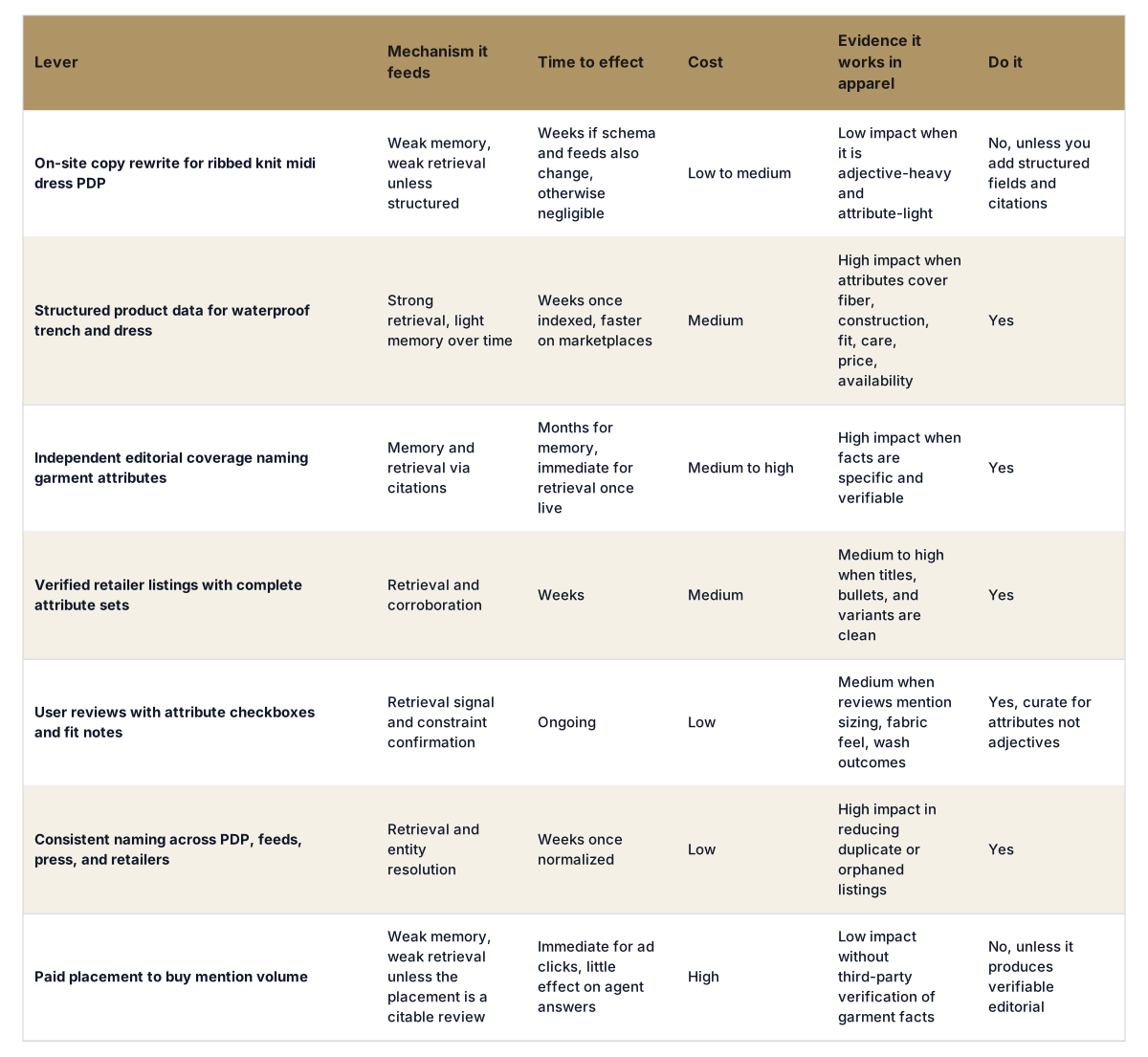
Recommendation levers for apparel brands, ranked by payback
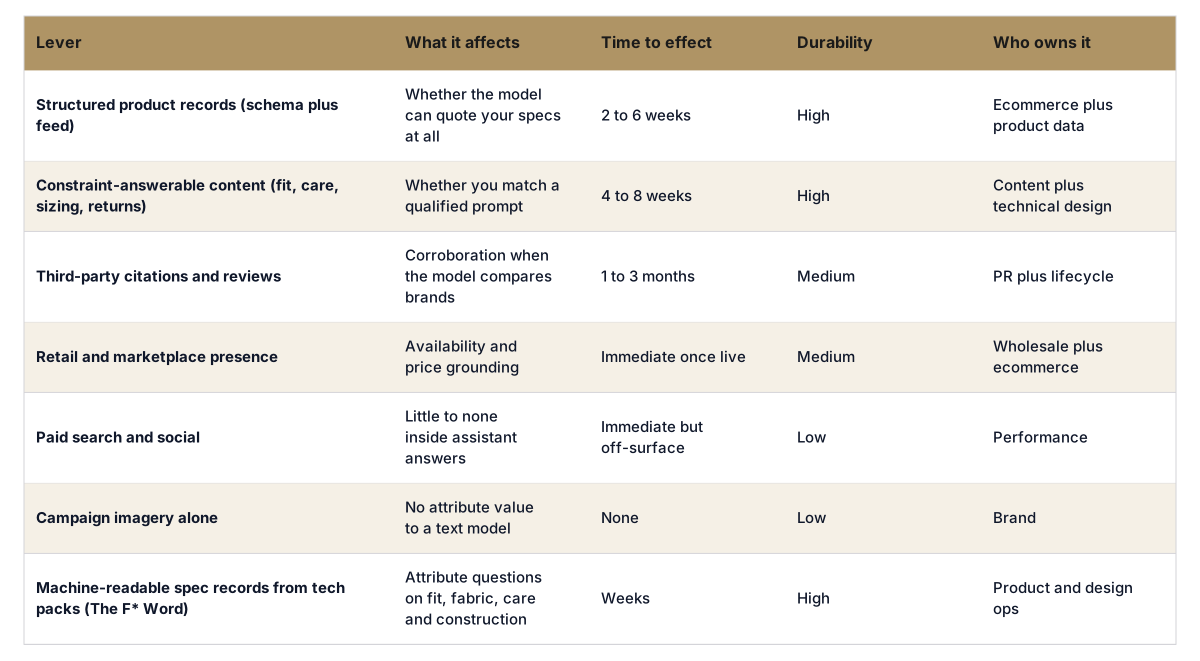
Only when a retrieval step is active and your PDP exposes structured, crawlable, citable data. Plain paragraphs that say "soft and flattering" do not help an agent answer constraint-shaped questions. JSON-LD Product and Offer data, consistent variant URLs, and third-party corroboration do. Think like a catalog librarian, not a copywriter.
Memory shifts on the scale of model retraining, so think many months. Retrieval responds as fast as your structured data and third-party citations are discovered and recrawled, often in weeks. Inventory and price changes should propagate within hours or you risk being excluded for inconsistency.
They help shoppers and they are useful assets, but an agent cannot verify fiber content, membrane type, taped seams, or wash care from a render. Use imagery as proof for humans and as a pointer to attributes, then publish those attributes in structured form. The F* Word turns moodboards and design intent into the validated, machine-readable record without being an image generator.
Inconsistent naming of garments and colorways, missing fiber percentages, absent care instructions, and variant sprawl that splits reviews and inventory. Size grading without POM references confuses fit intent across sizes, and sloppy marketplace feeds create duplicate entities. Clean those first, then pursue coverage that states the same facts in third-party text.
Get The F* Word workflow insights in your inbox.