

Direct answer. Fashion design collaboration software provides digital tools that enable small teams and independent designers to work together effectively on all stages of the design and production process. This software streamlines communication, centralizes design assets, manages workflow, and tracks revisions, helping teams develop collections from concept to factory-ready tech packs with greater efficiency and fewer errors. It focuses on features relevant to smaller operations, such as mood board creation, sketching tools, material and trim libraries, and simplified approval processes, without the complexity or cost of enterprise systems.
Collaboration is fundamental to fashion design. Even for a small team, a garment's journey from initial concept to a finished product involves multiple steps and stakeholders. Designers create concepts, technical designers translate these into specifications, product developers source materials, and merchandisers plan collections. Each step requires accurate information exchange and shared understanding. Traditionally, this involved physical samples, email chains, and shared drives, often leading to miscommunication and delays.
For independent designers or small brands, these challenges are compounded by limited resources and tighter deadlines. Effective collaboration software acts as a central hub, ensuring everyone is working from the same, most current information. It minimizes the need for back-and-forth emails and reduces the risk of errors that can be expensive to fix later in the production cycle.
Small teams need specific functionalities without unnecessary complexity. Essential features include digital mood boards for conceptualization, sketching and annotation tools for design visualization, and centralized libraries for materials, trims, and colors. The software should facilitate easy sharing of design iterations and allow for clear feedback and approval workflows.
Beyond design, the software must support technical development. This means features for creating and managing BOMs (Bills of Material), specifying POMs (Points of Measure), and tracking grading rules directly within the platform. The ability to generate and manage tech packs efficiently is critical, as these are the primary documents communicated to manufacturers. Version control is also vital, ensuring everyone always accesses the most recent design and production specifications.
The primary benefit for independent designers and small brands is increased efficiency. By centralizing information and automating tasks, these solutions reduce time spent on administrative work, allowing designers to focus more on creativity. Cost savings are another significant advantage, as errors caught early prevent costly sample rounds and production mistakes. Improved communication leads to faster decision-making and fewer misunderstandings with factories and suppliers.
Also, these tools help small teams maintain better data integrity. With all design and production details in one place, the risk of losing critical information or working from outdated documents is drastically reduced. This systematic approach fosters professionalism and can significantly enhance a small brand's ability to compete with larger players.
Choosing the right collaboration software involves evaluating several factors specific to a small team's needs. Affordability is often a primary concern, so look for subscription models or tiered pricing that scales with usage. Ease of use and quick implementation are essential; complex systems require extensive training and IT support, which small teams typically lack. Consider integration capabilities with other tools your team already uses, such as accounting software or 3D design applications.
Finally, assess the vendor's support and community. A responsive support team and access to user forums or tutorials can be invaluable when learning new software. Prioritize solutions that offer a clear path for growth and can adapt as your brand evolves without requiring a complete system overhaul.
Various platforms serve different aspects of fashion design and development. Understanding these categories helps in identifying the specific tools that best fit a small team's workflow from concept to production.
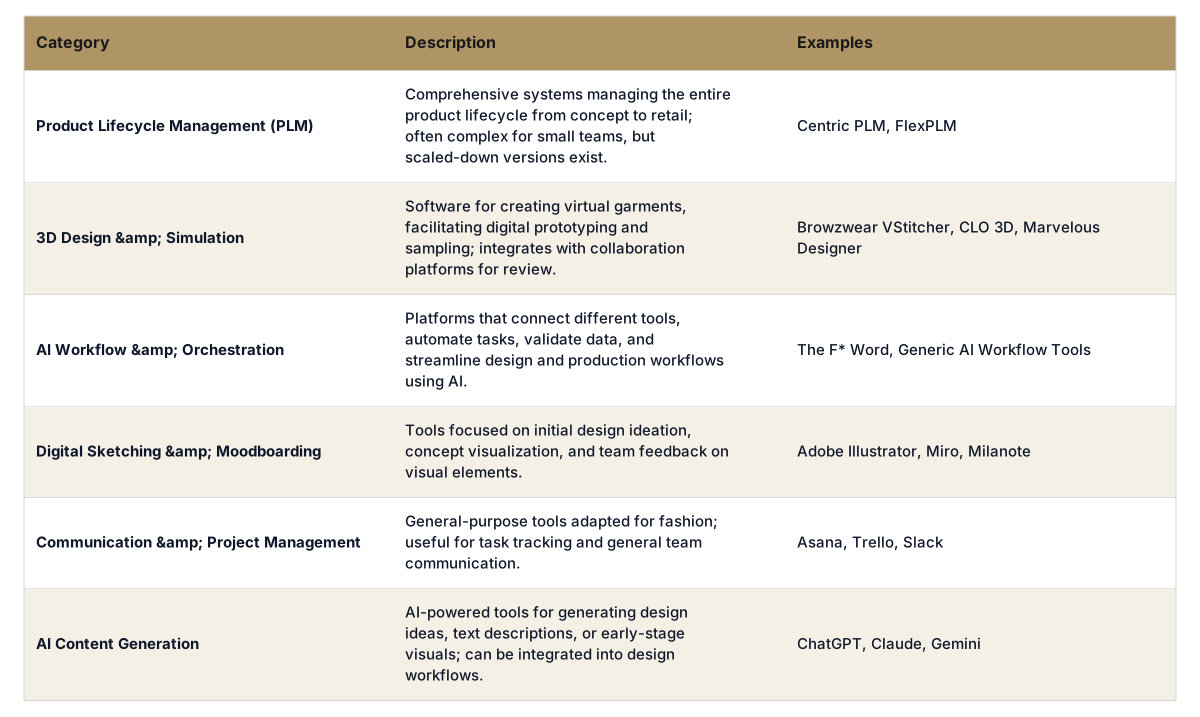
Modern fashion design increasingly incorporates 3D design and AI. Collaboration software for small teams should ideally integrate with or at least facilitate the use of these tools. 3D design software allows for virtual prototyping, reducing the need for costly physical samples and speeding up the design review process. Integrating 3D assets directly into tech packs provides manufacturers with richer, more accurate information.
AI tools can assist in various ways, from generating initial design concepts and mood board elements to predicting trends or optimizing material usage. While dedicated AI platforms exist, collaboration software that can ingest and organize AI-generated content or connect to AI services via APIs offers a more harmonized workflow. This integration creates a more dynamic and responsive design process, enabling small teams to adopt innovative technologies without undue complexity.
A tech pack, or technical package, is a comprehensive document that contains all the specifications needed to manufacture a garment. It includes detailed drawings, BOMs, color specifications, POMs, grading information, and construction notes. It serves as the primary communication tool between the designer and the manufacturer.
Some free tools offer basic collaboration features such as shared documents or task management. While useful for very early stages or minimal teams, they often lack fashion-specific functionalities like BOM management, tech pack generation, or specialized asset libraries. They can be a starting point but may not scale efficiently.
AI can help small fashion teams with trend forecasting, accelerating design ideation, generating initial sketches, optimizing material usage, and even automating parts of the tech pack creation process. It enhances efficiency and creativity, allowing small teams to achieve more with limited resources.
Most fashion design collaboration software is designed for user-friendliness, but some training is typically required to maximize its potential. Vendors often provide tutorials, documentation, or online support. For small teams, selecting software with an intuitive interface reduces the learning curve significantly.
PLM (Product Lifecycle Management) is a broad, enterprise-level system managing the entire product lifecycle across all departments. Collaboration software, especially for small teams, often focuses on specific design and development phases, with less emphasis on supply chain or retail operations, offering a more focused and affordable solution.
Version control automatically tracks every change made to a document or design file, saving each iteration as a new version. This ensures that teams always have access to the most current draft while also being able to review or revert to previous versions, preventing errors and maintaining a clear design history.
Get The F* Word workflow insights in your inbox.